 Pin
Pin I still remember the first time I served an Asian fusion noodle board at a dinner party. It was a warm summer evening, and I wanted to create something that would let everyone at the table feel like artists, building their own perfect bite. The idea came to me after a trip through a Southeast Asian night market, where I watched vendors arrange ingredients with such precision and care. That night, watching my friends lean over the board, mixing and matching flavors, I realized that food becomes so much more meaningful when people get to participate in its creation.
There was this moment when my mother-in-law, who's quite traditional in her cooking approach, picked up her chopsticks and started crafting her bowl. She mixed the peanut sauce with soy, layered the proteins just so, and then looked up with this surprised smile. That's when I knew this recipe had something special—it bridges generations and cooking philosophies without any fussiness.
What's for Dinner Tonight? 🤔
Stop stressing. Get 10 fast recipes that actually work on busy nights.
Free. No spam. Just easy meals.
Ingredients
- Rice noodles (200 g, medium width): These cook quickly and have a delicate, slightly chewy texture. I learned to rinse them thoroughly after cooking or they'll clump into a starchy mess. The sesame oil toss at the end prevents sticking and adds just enough flavor without overpowering the other components.
- Soba noodles (200 g): These bring an earthy, nutty depth that contrasts beautifully with the fresh vegetables. Cook them carefully, as they can break apart if you're too aggressive with stirring. The buckwheat flavor becomes more pronounced when you taste them with the dipping sauces.
- Sesame oil (1 tbsp for tossing, plus 2 tsp for sauce): This ingredient is non-negotiable. Toasted sesame oil has such a distinctive aroma that people often ask what makes the dish smell so good. Don't use regular sesame oil—you need the toasted version for real depth.
- Boneless, skinless chicken breasts (2): Poaching instead of grilling keeps them incredibly tender. The key is gentle heat and precise temperature. Slice against the grain and the texture becomes almost silky.
- Firm tofu (200 g): The secret here is patience and dryness. Pat it thoroughly, cut it into thin slabs, and give it space in the pan to crisp up properly. Overcrowding is the enemy that will steam it instead of crisping it.
- Cooked shrimp (200 g, peeled): If using raw shrimp, a quick ice bath after cooking stops them from overcooking and keeps them firm. They should smell slightly sweet, never fishy.
- Soy sauce (1 tbsp for proteins): Quality matters here. Spend a little more on authentic soy sauce and you'll taste the difference immediately.
- Neutral oil (1 tbsp for cooking): Use something with a high smoke point like vegetable or avocado oil for the tofu.
- Fresh vegetables (carrot, cucumber, red bell pepper, edamame, purple cabbage, radishes, avocado, scallions): The vegetables are where you showcase your knife skills and create that striking visual. Each one should be cut with intention and precision. Chill them all before assembly so they stay crisp under the lights.
- Toasted sesame seeds (2 tbsp) and black sesame seeds (1 tbsp): Toast your own if you can—the difference is remarkable. These aren't just garnish, they add a crucial textural element and nutty finish.
- Fresh cilantro and red chili: These add brightness and a gentle heat that complements without overwhelming.
- Dipping sauce components (hoisin, soy, rice vinegar, honey, chili garlic sauce, peanut butter, water, ginger, garlic): This sauce is the backbone of the entire experience. Whisking it thoroughly ensures the peanut butter emulsifies properly and creates that silky texture everyone loves. The balance of sweet, salty, spicy, and nutty is what makes people come back for another bowl.
Instructions
- Set Up Your Noodle Stations:
- Bring two large pots of water to a boil. Working with two separate pots keeps each noodle type independent and prevents flavor confusion. Start the rice noodles in one pot—they typically need 4 to 6 minutes, depending on thickness. They should feel tender but still have a slight resistance when you bite one. In the second pot, get your soba noodles going at about the same time; they usually need 5 to 6 minutes and benefit from gentle stirring so they don't clump together. Watch them carefully because soba can go from perfectly cooked to mushy in seconds.
- The Cold Water Shock:
- This is the move that changed everything for me. The moment your noodles are tender, drain them immediately and plunge them under cold running water. This stops the cooking dead in its tracks and rinses away that starchy coating that makes noodles sticky. Work them gently with your fingers under the water, separating them so they stay loose and springy. Shake off all the excess water—think of it like you're giving them a little pat-dry with your hands—then toss each batch lightly with sesame oil. This step protects them from clumping and adds a subtle, warming flavor. Taste one noodle from each batch; they should feel cool, separate easily, and have just the right chew.
- Poach Your Chicken with Gentleness:
- Place your chicken breasts in a saucepan and cover them with cold water, adding just a pinch of salt. Bring the water to a gentle simmer over medium heat—this is important. If you let it boil aggressively, the proteins tense up and you'll end up with tough, dry chicken. Once it's simmering, cover the pan and let it cook for 10 to 12 minutes. The internal temperature should reach 74°C or 165°F. You'll know it's done when there's absolutely no pink inside and it feels firm but not hard when you press it. Let it cool for a few minutes, then slice it thinly against the grain. This is where the difference between tender and tough chicken happens.
- Crisp Your Tofu to Perfection:
- Pat your tofu dry with paper towels—this is non-negotiable. Any moisture on the surface will steam instead of crisp. Cut it into slabs about 1 cm thick, then into rectangles. Heat your neutral oil in a nonstick skillet over medium-high heat until it shimmers. Add your tofu pieces in a single layer with space between each one. Let them sit there for 2 to 3 minutes without moving them. You want to hear a gentle sizzle and smell that toasty aroma. Flip carefully and cook the other side until golden brown and crispy. Just before removing from the pan, drizzle each piece with soy sauce and toasted sesame oil. The tofu should be slightly crisp and golden on the outside with that creamy, yielding texture inside.
- Cook Your Shrimp Just Until Pink:
- If you're using raw shrimp, bring a pot of salted water to a boil. Add your shrimp and watch them carefully. In 2 to 3 minutes, they'll transform from gray to bright pink and curl into that characteristic shape. This is your signal to immediately transfer them to a bowl of ice water. Let them chill completely, then drain and pat dry. They should be firm, opaque, and smell slightly sweet. Any ammonia smell means they've been sitting too long.
- Slice Your Vegetables with Precision and Care:
- This is where the board becomes visually stunning. For your carrot, peel it and slice into thin matchsticks or use a mandoline if you have one. The matchsticks should be delicate enough that they're almost see-through. Your cucumber can be sliced into thin ribbons using a vegetable peeler or into thin rounds. Remove the seeds and white pith from the red bell pepper and slice into thin, uniform strips. Blanch your edamame in boiling water for just 2 minutes, then shock them in ice water. Your purple cabbage should be shredded finely with a sharp knife—each strand should be thin and delicate. Slice your radishes into paper-thin rounds; a mandoline makes this easier but a very sharp knife works too. Cut your avocado just before assembly; peel it, remove the pit, and slice it thinly. Slice your scallions on a sharp diagonal for an elegant look. All vegetables should be bright, crisp, and perfectly even in size. The precision here is what makes people stop and stare.
- Whisk Your Dipping Sauce Until Silky:
- In a medium bowl, combine your hoisin sauce, soy sauce, rice vinegar, honey or maple syrup, chili garlic sauce, and peanut butter. Whisk these together slowly and deliberately, making sure you're breaking down any lumps of peanut butter as you go. Once those ingredients are mostly combined, add your water, toasted sesame oil, ginger, and garlic. Keep whisking until everything is completely smooth and emulsified. The sauce should be slightly thick but pourable, coating the back of a spoon. Taste it and adjust the flavors to your preference—more heat, more sweetness, more salt, whatever calls to you. Transfer it to a small, wide bowl that will sit at the center of your board.
- Assemble Your Masterpiece:
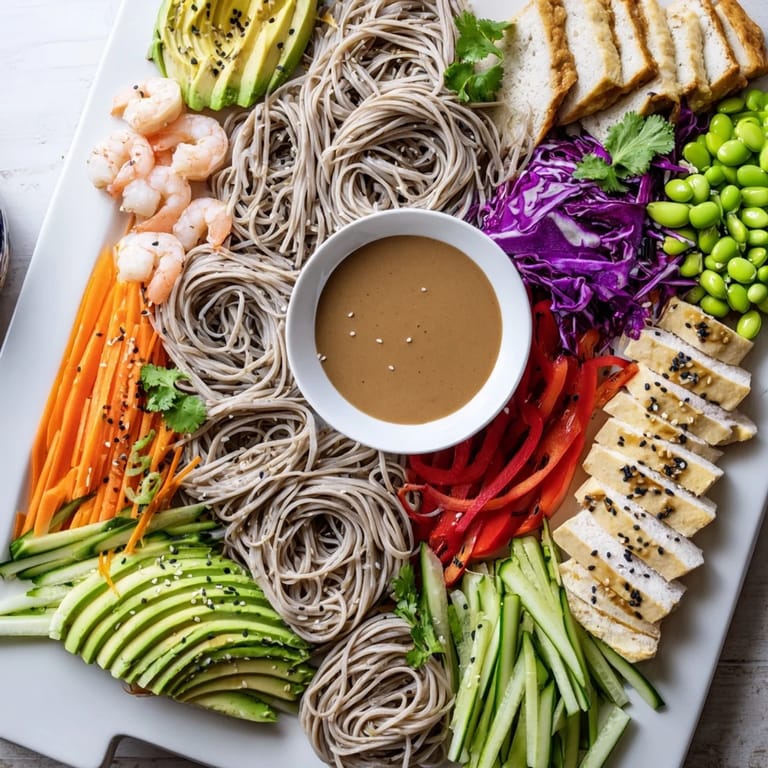
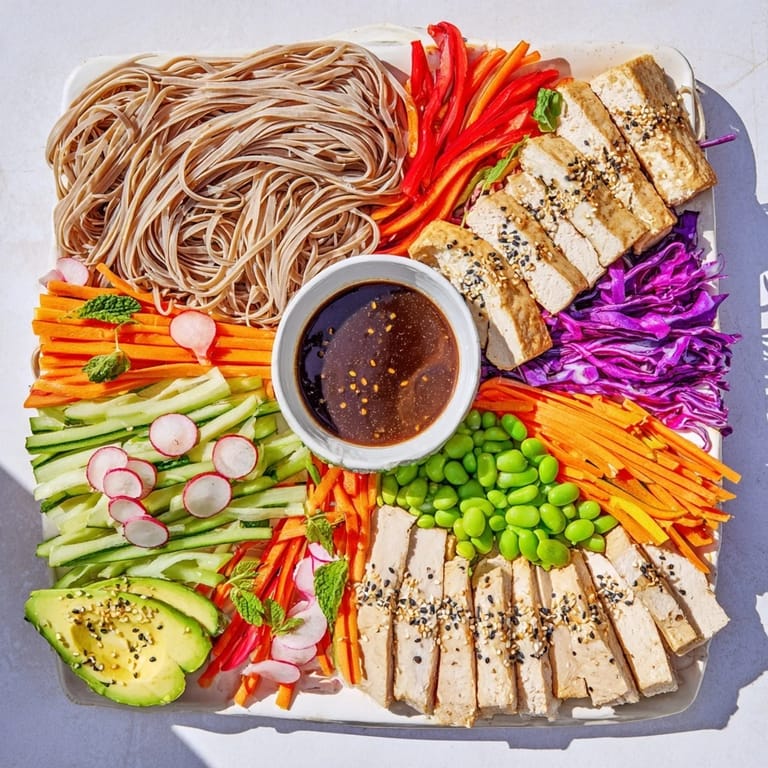
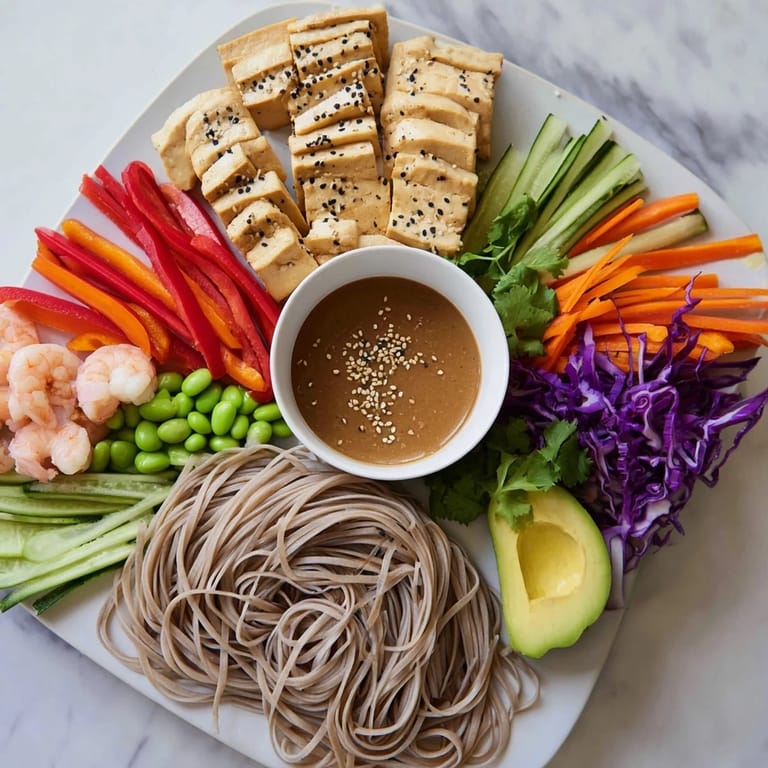
- Choose your largest, flattest board or platter—at least 18 inches wide gives you room to work. Place your sauce bowl right in the center. Now here's where you create the magic: arrange everything else in neat, radiating rows around that center bowl. Fan your noodles in two separate, organized sections. Arrange your proteins in grouped rows or overlapping fans so they look almost architectural. Layer your vegetables in tidy segments, thinking about color contrast and visual balance. Place your avocado and radish slices in overlapping fans for that Instagram-worthy effect. Sprinkle your sesame seeds and cilantro over the appropriate sections. Use your scallions and any extra herbs to fill gaps and add final freshness. Keep everything symmetrical and precise. Use a damp towel under your board to prevent it from slipping. Serve immediately while everything is cold and crisp, inviting your guests to build their own bowls.
 Pin
Pin 
There's something magical about watching a table full of people create their own perfect bite from a board like this. My friend Marcus, who usually eats pretty simply, made this elaborate bowl with tofu, three types of vegetables, both noodles, and a generous drizzle of sauce. He took one bite and his eyes lit up in a way I'd never seen before. That's when I realized this recipe is less about the food and more about giving people permission to be creative and joyful at the dinner table.
The way you arrange this board matters more than you might think. It's not just about making it look beautiful, though that's definitely part of it. When you arrange ingredients in clear, organized rows, you're actually making it easier for your guests to understand what they're working with and how to combine flavors. I've noticed that people approach a well-organized board with more confidence and creativity than a messy one. They're willing to try combinations they might normally skip because everything looks so intentional and inviting. Take your time with this step. Let your vegetables sit in the ice box while you arrange the rest so they stay crisp under the lights.
The dipping sauce is really the heart of this entire experience. Every single ingredient in that sauce serves a purpose. The hoisin brings sweetness and depth, the soy sauce gives you umami and salt, the rice vinegar adds brightness, and the peanut butter creates that luxurious texture that coats your mouth. The chili garlic sauce is what gives it a gentle kick, and the ginger and garlic wake everything up. When you whisk it all together, you're not just making a condiment—you're creating a flavor bridge that ties together all the different components. This sauce is what makes someone's rice noodles taste completely different from their soba noodles, even though they started with the same ingredients. The magic is in how the sauce transforms everything it touches.
The reason this board stops people in their tracks is because of the intentional color work. The deep purple of the shredded cabbage against the bright orange of the julienned carrot, the pale green cucumber ribbons next to the pink shrimp, the creamy white tofu beside the golden chicken. When you're slicing vegetables, think about where they're going to sit on your board. Every color should have a color next to it that makes it pop. This isn't just about aesthetics—when food looks this beautiful, people eat more mindfully and enjoy it more deeply. They notice flavors they might have missed if everything looked rushed and casual.
- Keep a bowl of acidulated water (water with lemon juice added) nearby while you're assembling. As you slice avocado and radishes, drop them into this water to prevent browning and keep them crisp.
- Chill every single ingredient before assembly. A cold board stays fresh-looking and tasting for the entire meal, while room-temperature ingredients will wilt and lose their appeal.
- Have your damp towel under the board from the moment you start arranging. This prevents slipping and keeps everything stable as people reach across to build their bowls.
 Pin
Pin This recipe became a tradition in my home because it solved the problem I didn't know I had: how to feed a group of people with different tastes and dietary choices without making them feel like they're eating separately. Everyone gets the same beautiful board and the same chance to create something they love.
Recipe Questions & Answers
- → How should the noodles be cooked for the best texture?
Cook rice and soba noodles separately until tender but firm, rinse under cold water immediately to stop cooking and prevent sticking, then toss lightly with sesame oil to keep them springy and separate.
- → What is the best way to prepare the tofu for a crisp exterior?
Pat tofu dry, slice into slabs, and pan-fry in neutral oil over medium-high heat until golden on both sides. Finish with a drizzle of soy sauce and toasted sesame oil for flavor.
- → How can I keep avocados from browning during assembly?
Peel, pit, and thinly slice avocados just before serving, or keep them in acidulated water (water with lemon juice) until ready to arrange on the board to maintain color and freshness.
- → What are the key components of the dipping sauce?
The sauce combines hoisin, soy sauce, rice vinegar, honey or maple syrup, chili garlic sauce, peanut butter, sesame oil, ginger, and garlic, whisked until smooth and balanced in flavor.
- → Can I customize the proteins in this noodle board?
Yes. Alternatives like grilled steak, duck, or tempeh can be used, and for a vegan option, simply omit chicken and shrimp and increase tofu and edamame quantities.