 Pin
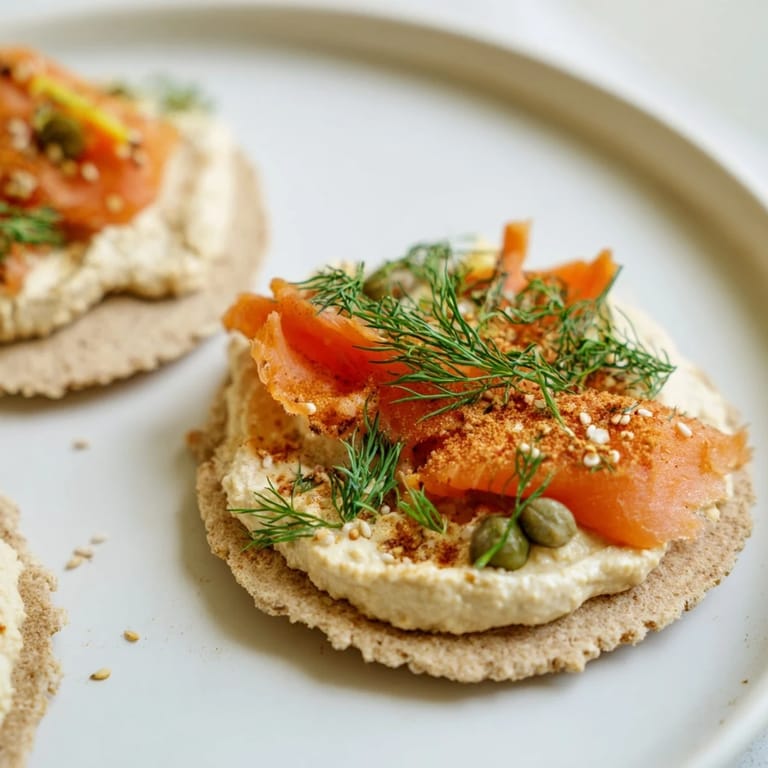
Pin I discovered this dish entirely by accident one afternoon when I was arranging leftovers on a platter for unexpected guests. There was creamy hummus, some smoked fish I'd been picking at, and a few crackers breaking apart in the pantry, and instead of assembling them normally, I found myself creating a little edible landscape. The way the pale crackers caught the light like weathered wood, the hummus spreading like sand—suddenly it felt less like appetizer assembly and more like art. My guests were charmed before they even tasted it, and I realized that sometimes the best dishes come from playful improvisation rather than careful planning.
I made this for a small dinner party on a gray September evening, the kind where everyone arrives wanting comfort but also something a bit special. When I set this platter down, there was this moment of quiet before someone reached for a cracker—they actually paused to appreciate how it looked first, and that's when I knew I'd made something that does more than just taste good. Watching people arrange their own bites, mixing the smoky fish with the hummus, adding just the right amount of dill—it became less about me feeding them and more about everyone finding their own little moment of pleasure.
What's for Dinner Tonight? 🤔
Stop stressing. Get 10 fast recipes that actually work on busy nights.
Free. No spam. Just easy meals.
Ingredients
- Pale, rustic crackers (100 g): Water crackers, matzo, or lavash work beautifully because they stay crisp and their neutral flavor lets the fish shine; breaking them by hand into uneven pieces looks infinitely more appealing than neat cuts.
- Smoked white fish (120 g): Trout, mackerel, or haddock give you that gorgeous smoky depth; buy it fresh if you can and flake it gently so it stays tender rather than shredded.
- Classic hummus (250 g): This is your base, your sand, your foundation—quality matters here, so taste it first and adjust seasoning if needed.
- Olive oil (1 tbsp): Use something you actually enjoy eating, because you'll taste it distinctly against the creamy hummus.
- Smoked paprika (1/2 tsp): This dusting creates the visual magic of sandy texture; it's as much about looks as it is about that subtle warm flavor.
- Toasted sesame seeds (1 tsp): They add a nutty whisper and catch light beautifully on the surface.
- Fresh dill fronds (1 tbsp): The brightness here cuts through the richness and feels genuinely coastal.
- Lemon zest (1/2): Don't skip this; it's the thing that makes people pause and ask what they're tasting.
- Capers (1 tbsp, rinsed): These salty little bursts prevent the whole thing from feeling one-note.
- Microgreens (optional): If you have them, they add a modern touch and a peppery bite that surprises.
Instructions
- Build your shore:
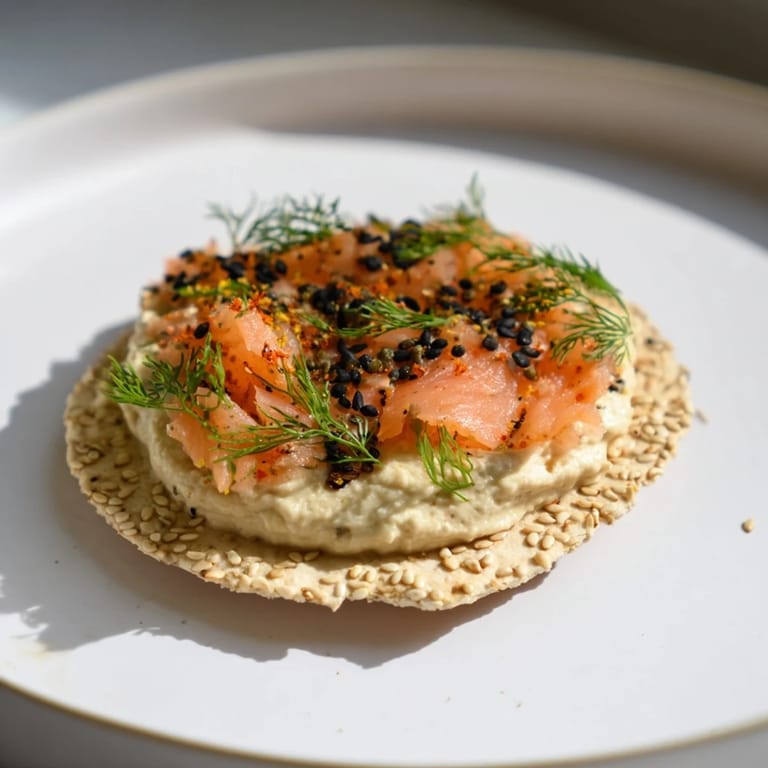
- Spread the hummus across your serving platter in thick, uneven waves—don't worry about perfection; nature is gloriously imperfect. Use a spatula or the back of a spoon to create gentle slopes and valleys, almost like you're sculpting something that could exist on an actual beach.
- Add the sandy texture:
- Drizzle olive oil in loose swirls across the hummus, letting it pool slightly in the dips. Then dust the smoked paprika over everything in an uneven way, and scatter the sesame seeds so some areas are more concentrated than others—this randomness is what makes it look real.
- Arrange the driftwood:
- Place your broken crackers along one edge or scattered across, like they've actually washed up there. Let them sit at angles, some leaning against the hummus, some laid flat—variety in placement makes all the difference.
- Scatter the fish:
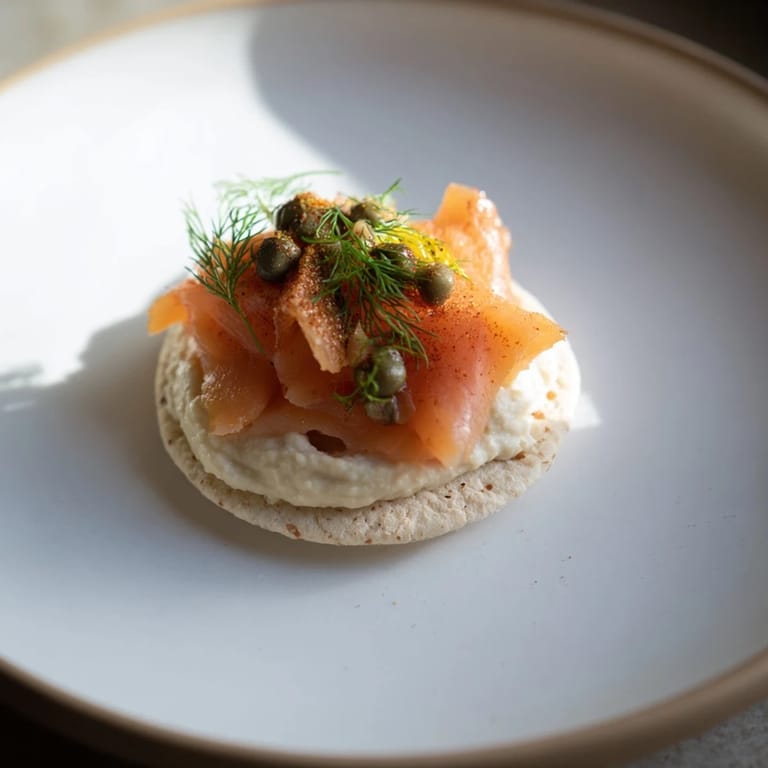
- Distribute the flaked smoked fish across and around the crackers with a light hand, varying the density so it feels naturally distributed rather than evenly placed. Some pieces can sit right on the hummus, some nestled between crackers.
- Final garnish:
- Sprinkle the fresh dill, lemon zest, and capers across the entire platter with the confidence of someone finishing a painting. Add microgreens last if using them, as they're delicate and wilt quickly.
- Serve immediately:
- Set it down and let people discover how to eat it—part of the charm is that there's no single right way. They'll scoop, they'll mix, they'll find their balance.
 Pin
Pin 
There's something almost meditative about arranging this dish, the way it forces you to slow down and think about composition instead of just piling things on a plate. My kids once asked why I was being so careful with a fish appetizer, and I realized in that moment that food is partly about taste and texture, but partly about respect—respecting the ingredients enough to present them thoughtfully, and respecting your guests enough to give them something that feels like you actually cared.
Why the Beach Concept Works
The beauty of leaning into the beachside theme is that it gives you permission to be imperfect—actual beaches are chaotic, beautiful messes of textures and colors, so your platter doesn't need to be symmetrical or precise. This thematic approach also makes people slow down and appreciate what they're eating, because they're experiencing it as both food and art simultaneously. The smoked fish and paprika and sesame seeds genuinely do evoke sand and sea, so you're not forcing something artificial; you're just highlighting what's already there.
Timing and Temperature
Since nothing here is cooked, you can assemble this up to an hour before serving if you keep it covered in the refrigerator; the hummus actually firms up slightly when cold, making it easier to scoop. Pull it out about ten minutes before guests arrive so the fish and hummus come to a cooler room temperature rather than harsh cold, which mutes their flavors. This is an appetizer that wants to be eaten fresh, so don't stress too much about making it hours ahead—the half hour before serving is honestly your sweet spot.
Variations and Substitutions
If smoked fish isn't your thing or you can't source good quality, smoked salmon or gravlax creates the exact same effect and might actually be easier to find. Some people love adding thin ribbons of radish or cucumber for an extra crunch and a peppery bite, which I've done when I'm feeding people who like more raw vegetable texture. You can also experiment with different hummus bases—roasted red pepper or garlic-forward versions shift the whole flavor profile while keeping the concept intact.
- For a vegetarian version, try roasted beets or marinated artichokes where the fish would go.
- A drizzle of pomegranate molasses over everything adds a tart brightness that's unexpected and lovely.
- Keep extra garnishes in small bowls so guests can adjust the dill and lemon zest to their preference.
 Pin
Pin This dish taught me that sometimes the most memorable meals come from embracing play and imperfection, from being willing to let food look like something beautiful before anyone tastes it. If you make this, don't stress about execution; just trust the ingredients and your own sense of what looks inviting.
Recipe Questions & Answers
- → What type of fish works best for this appetizer?
Smoked white fish such as trout, mackerel, or haddock provide a delicate, smoky flavor that complements the creamy hummus and crackers.
- → Can I substitute the crackers with gluten-free options?
Yes, gluten-free crackers can be used to accommodate dietary restrictions without compromising texture.
- → How is the "sandy beach" effect achieved?
Drizzling olive oil, sprinkling smoked paprika, and toasted sesame seeds on the hummus creates a visual and textural sandy shoreline.
- → What garnishes enhance the overall flavor?
Fresh dill, lemon zest, capers, and optional microgreens add brightness and fresh notes to balance the rich fish and hummus.
- → Is this appetizer suitable for pescatarian diets?
Yes, it features fish and plant-based ingredients, fitting well within pescatarian preferences.