 Pin
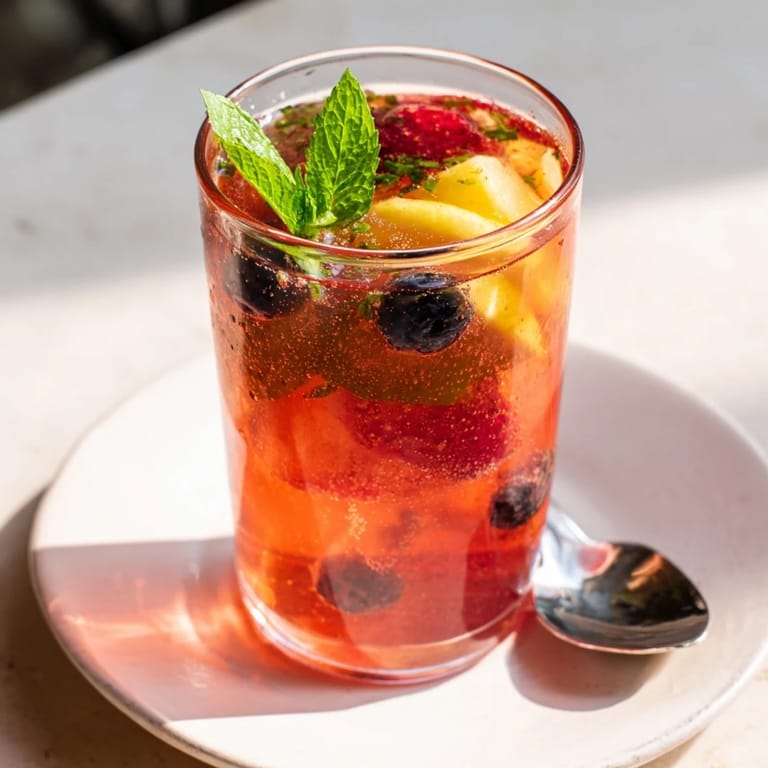
Pin A refreshing collection of naturally fermented beverages inspired by kombucha, perfect for enjoying as healthy, alcohol-free mocktails with complex flavors and gentle fizz.
I first started making home-brewed kombucha mocktails when searching for healthy, fun alternatives to sugary sodas for family gatherings. The process is unexpectedly easy and every batch brings a new twist that everyone loves to taste test together.
What's for Dinner Tonight? 🤔
Stop stressing. Get 10 fast recipes that actually work on busy nights.
Free. No spam. Just easy meals.
Ingredients
- Filtered water: 2 liters, essential for a clean fermentation base
- Black or green tea bags or loose-leaf tea: 8 bags or 2 tablespoons loose-leaf, provides the classic kombucha flavor and caffeine for fermentation
- Granulated sugar: 200 g (1 cup), feeds the fermentation process and creates gentle fizz
- Kombucha SCOBY or starter liquid: 1 SCOBY or 200 ml unflavored store-bought kombucha, necessary to begin fermentation
- Flavoring options: Choose 1–2 per batch (e.g. 100 g fresh berries, 1 lemon or lime thinly sliced, 1 knob fresh ginger sliced, 1 sprig mint or basil, 2 tablespoons fruit juice, 1 tablespoon dried hibiscus petals, 1 cinnamon stick or 3–4 cloves)
Instructions
- Brew the tea:
- Boil 2 liters of filtered water. Add tea bags or loose-leaf tea and steep for 10 minutes. Remove tea bags or strain out leaves.
- Add sugar:
- While the tea is hot, stir in the sugar until fully dissolved. Let the sweetened tea cool to room temperature (important: hot liquid can kill the SCOBY).
- Combine and ferment:
- Pour the cooled sweet tea into a large, clean glass jar. Add the SCOBY and starter liquid (or store-bought kombucha).
- Cover and ferment:
- Cover the jar with a clean cloth or paper towel secured with a rubber band. Store at room temperature, away from direct sunlight, for 5–7 days.
- Check and taste:
- After 5 days, taste your brew daily. When its tangy and slightly fizzy (but not overly sour), its ready for the next step.
- Flavor and bottle:
- Remove the SCOBY and 200 ml of kombucha to use as starter for your next batch. Add your chosen fruits, herbs, or spices to the kombucha.
- Bottle and ferment:
- Pour into clean bottles, leaving about 2–3 cm headspace. Seal tightly. Ferment at room temperature for 1–3 more days for extra carbonation.
- Refrigerate:
- After desired carbonation is reached, refrigerate bottles. Strain out solid flavorings before serving.
 Pin
Pin 
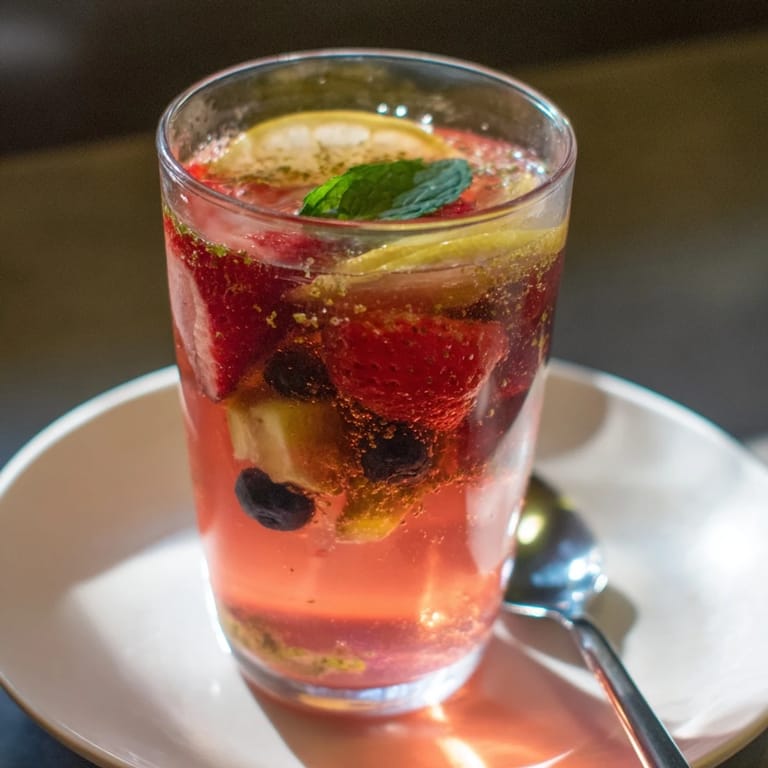
For my birthday, my kids surprised me by making their own berry-mint batch using fresh garden herbs. Sharing fizzy glasses together, even the grandparents loved getting involved and picking flavorings for the next round.
Required Tools
Large glass jar (2–3 liters), fine mesh strainer, funnel, clean glass bottles with tight lids, measuring cups and spoons are all you need to try this at home.
Allergen Information
This drink contains caffeine from tea and may have traces of gluten if flavored teas are used; always check labels for possible nut cross-contamination.
Nutritional Information
Each serving contains approximately 45 calories with 0 g total fat, 11 g carbohydrates, and 0 g protein.
 Pin
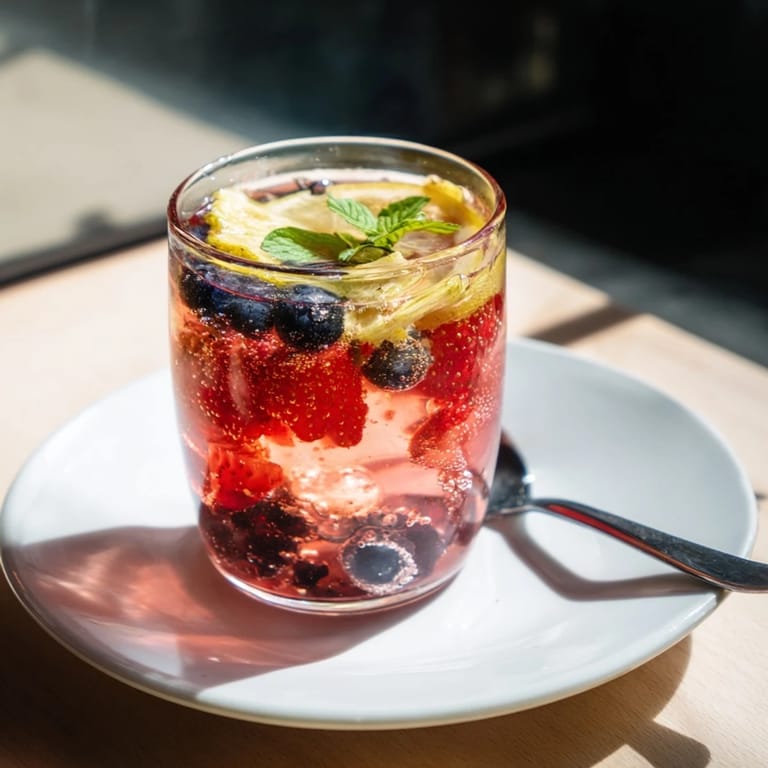
Pin Enjoy sipping your homemade kombucha-style mocktails chilled for a healthier alternative to soda. Every batch is a new adventure in flavor.
Recipe Questions & Answers
- → Can I use herbal teas for the base?
Traditional kombucha fermentation relies on black or green tea for necessary nutrients. Herbal teas alone may not work but can be added during flavoring.
- → How do I know when the drink is ready?
Taste the brew daily after 5 days. It's ready when tangy, lightly sweet, and gently fizzy—adjust fermentation for your preferred flavor.
- → What containers are best for fermentation?
Use large glass jars or BPA-free plastic. Avoid metal, as it may interfere with the fermentation process and impact flavor.
- → Is the final beverage caffeinated?
Yes, using black or green tea will yield a naturally caffeinated drink. Choose decaf tea if you wish to limit caffeine intake.
- → How can I make the mocktail sweeter or tangier?
Shorten fermentation time for a sweeter taste or extend it for more tang. Adjust flavorings to further customize the profile.
- → What are some flavor pairing ideas?
Try ginger-lime, berry-mint, apple-cinnamon, or classic lemon. Combine fruits, herbs, and spices to suit your palate.