 Pin
Pin There's something oddly satisfying about the moment when you realize a bagel can actually be good for you. I'd been staring at my protein powder collection one Thursday morning, frustrated that my breakfast routine had become monotonous, when it hit me that bagels didn't have to be the guilt-laden carb bomb I'd grown up with. What started as an experiment in my kitchen—basically throwing protein powder into a bagel dough and hoping for the best—turned into something my roommate wouldn't stop asking me to make again.
My friend Sarah came over on a Saturday morning when I was testing these, and she ate three bagels straight off the cooling rack with nothing but the Greek yogurt glaze and an expression of pure confusion about why something so indulgent could possibly be high in protein. That's when I knew I'd stumbled onto something worth perfecting—food that tastes like a treat but actually delivers nutritionally.
What's for Dinner Tonight? 🤔
Stop stressing. Get 10 fast recipes that actually work on busy nights.
Free. No spam. Just easy meals.
Ingredients
- Bread flour: This is your secret weapon for that chewy texture bagels are famous for; all-purpose will work but you'll notice the difference in density.
- Vanilla or unflavored whey protein powder: Vanilla creates a subtle sweetness that complements the cinnamon without any chalky aftertaste, but unflavored works beautifully too.
- Instant yeast: Make sure it's fresh and stored in a cool place; old yeast means a bagel that stays dense and refuses to rise.
- Warm water: The temperature matters more than you'd think—too hot kills the yeast, too cold and nothing happens, so aim for that 110°F sweet spot.
- Honey or maple syrup: This feeds the yeast and adds a subtle depth that brown sugar simply can't match.
- Ground cinnamon: Measure generously here; cinnamon is what makes these bagels memorable, not just healthy.
- Salt: Enhances the flavor and keeps the dough from becoming gummy, so don't skip or reduce it.
- Raisins: Plump them up by soaking in warm water for five minutes before adding if they're looking dried out—they'll distribute more evenly and taste fresher.
- Greek yogurt: The 2% variety gives you creaminess without heaviness, making the glaze rich but not overwhelming.
- Powdered sugar and vanilla: These balance the tang of the yogurt and create a glaze that feels like a gentle reward rather than a sticky frosting.
Instructions
- Start your yeast culture:
- Combine warm water, yeast, and honey in your mixing bowl and let it sit for about five minutes until it looks foamy and smells alive. This is how you know your yeast is awake and ready to do the work.
- Build your dough base:
- Stir in the flour, protein powder, cinnamon, and salt until everything comes together into a shaggy, rough dough. Don't worry if it looks messy—this is exactly where it should be.
- Knead in the raisins:
- By hand or with a dough hook, knead for eight to ten minutes until the dough becomes smooth and elastic and bounces back when you poke it. Add raisins near the end of kneading so they don't break apart, and sprinkle in a little extra flour only if the dough is actively sticking to your hands.
- Let it rise:
- Place the dough in a lightly oiled bowl, cover with a damp towel, and set it somewhere warm for about forty-five minutes until it's visibly puffy and has roughly doubled. A slightly warm oven with the light on, or a sunny windowsill, works perfectly for this.
- Preheat and shape:
- Turn your oven to 425°F and line a baking sheet with parchment paper, then punch down your risen dough. Divide it into eight equal pieces, roll each into a ball, poke your thumb through the center, and gently stretch it into a bagel shape with a hole about two inches across.
- Prepare the boil:
- Bring two quarts of water and a tablespoon of honey to a gentle boil in a large pot. The honey adds a subtle sweetness to the outside of the bagel and helps them brown beautifully.
- Boil with care:
- Working in batches so you don't overcrowd the pot, carefully place bagels in the boiling water and let them cook for forty-five seconds per side. They should sink at first, then float to the surface when they're ready to flip—if yours aren't floating, your bagels are likely too light and need an extra thirty seconds.
- Bake until golden:
- Transfer boiled bagels to your prepared baking sheet and slide them into the preheated oven for eighteen to twenty minutes until they're deep golden brown and smell absolutely incredible. You'll know they're done when the tops are firm and the bagels have a slight crackle when you tap them.
- Make the glaze:
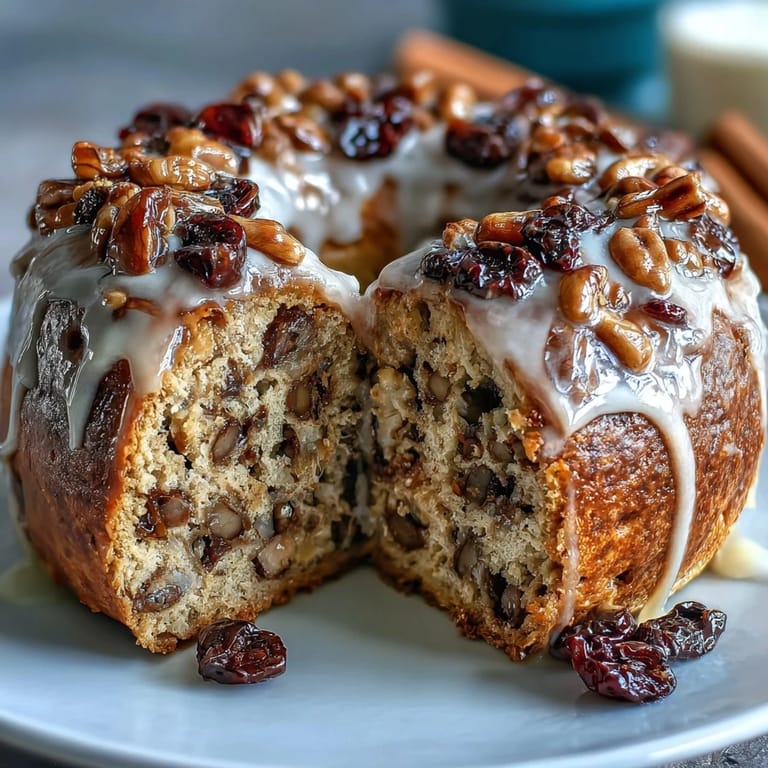
- While bagels cool completely, whisk together Greek yogurt, powdered sugar, vanilla, and a pinch of cinnamon until smooth and pourable. Taste it and adjust sweetness if needed—you want a glaze that tastes creamy and tangy, not overly sweet.
- Finish and serve:
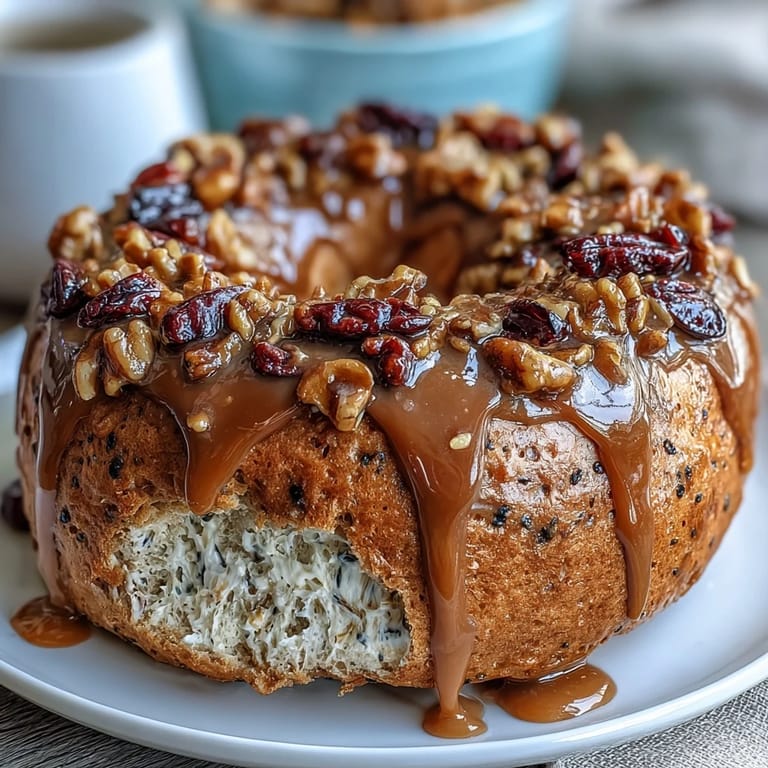
- Drizzle the glaze generously over each cooled bagel just before serving, letting it pool slightly on top. They're best eaten within a few hours of glazing, though they'll keep in an airtight container for up to three days.
 Pin
Pin 
These bagels became something deeper than breakfast when my mom visited and I made them for her one morning. She sat at my kitchen counter quietly eating one with the glaze, and then said, 'This tastes like you figured something out'—which, honestly, felt like more of a compliment than it should have been.
The Protein Powder Puzzle
I spent way too long worried that protein powder would taste chalky or leave that artificial aftertaste that lingers for hours. The secret is using a quality vanilla powder and not doubling down—the ratio in this recipe is calibrated so the protein integrates completely into the dough without announcing itself. Once I stopped treating it as a supplement tacked onto a recipe and started thinking of it as an actual ingredient, everything clicked.
Raisins Versus Everything Else
Raisins work beautifully here because their natural sweetness plays well with the cinnamon, but this is genuinely your choice. Dried cranberries will give you a tart kick that wakes up your palate, chopped dates create a deeper molasses-like sweetness, and even chocolate chips work if you're leaning into the indulgent side of breakfast.
Building a Breakfast Worth Waking Up For
The real magic happens when you pair these bagels with something that complements their density and richness. A sharp Greek yogurt with berries, a simple fried egg, or even just strong coffee feels like a complete, intentional breakfast rather than something rushed. These bagels have the protein built in, so you're not playing nutritional catch-up anymore.
- Slice them in half and toast them lightly under the broiler if you like extra crust and a warm interior.
- Make them the night before and store them in an airtight container—they taste nearly as good reheated as fresh.
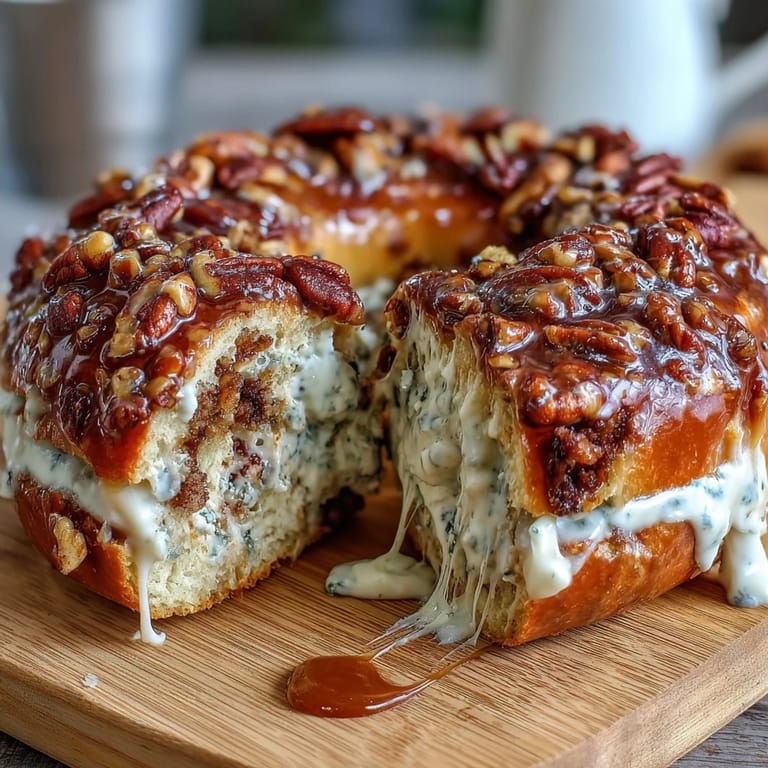
- The glaze sets slightly as it cools, creating a delicate shell that protects the soft bagel underneath.
 Pin
Pin Making these bagels teaches you something quiet about patience and intention in the kitchen. You're not just following steps—you're learning why each one matters, and that knowledge stays with you.
Recipe Questions & Answers
- → What protein powder works best?
Vanilla or unflavored whey protein powder blends seamlessly, providing extra nutrition without overpowering flavors.
- → Can I substitute raisins with other dried fruits?
Yes, chopped dates or dried cranberries make excellent alternatives, adding unique sweetness and texture.
- → Why boil the bagels before baking?
Boiling creates a chewy crust and helps develop the characteristic texture and shine of bagels.
- → How can I make the glaze dairy-free?
Use coconut yogurt instead of Greek yogurt for a non-dairy glaze that remains creamy and flavorful.
- → What’s the best flour for these bagels?
Bread flour is preferred for extra chewiness and structure, resulting in classic bagel texture.