 Pin
Pin The afternoon I first attempted mango agar-agar jelly cubes was one of those sweltering days when the very idea of turning on the oven felt unthinkable. As the kitchen filled with the vibrant scent of just-blended mango and the gentle sweetness of coconut milk heated on the stove, I could almost hear summer slowing down. I remember the satisfying sound of a spoon clinking against the glass bowl as I checked if the jelly had set. It's one of those desserts that seems to invite curiosity—a finger pressed impatiently against the chilling mold, a peek behind the fridge door. This dish surprised me: simple to create, but utterly dazzling once sliced into bright, wobbly cubes.
The first time I brought out this jelly after a family barbecue, the kids darted over and immediately began speculating which layer tasted better. My sister, grinning, declared it was the only dessert she wanted to take home that night. Even our neighbor, usually indifferent to sweets, asked how the mango flavor stayed so fresh and bright, not cloying. It was an unexpected hit, and now it makes a regular appearance whenever the temperature climbs. I love how it brings together people of all ages, each one finding something to love in those cheery cubes.
What's for Dinner Tonight? 🤔
Stop stressing. Get 10 fast recipes that actually work on busy nights.
Free. No spam. Just easy meals.
Ingredients
- Mangoes: Use ripe, fragrant mangoes for depth of flavor; overripe ones can turn mushy and too sweet, while underripe ones lack aroma.
- Agar-agar powder: This vegan setting agent is a game-changer for layered jellies; make sure to dissolve it thoroughly for the perfect wobble.
- Sugar: Start small and taste—the sweetness should let the fruit shine, not overpower it.
- Lemon juice: A dash adds brightness and keeps the mango layer lively instead of heavy.
- Coconut milk: Full-fat brings out the creamiest, most indulgent layer; shake the can well before measuring.
- Vanilla extract: Just a touch enhances the coconut's natural fragrance; don’t skip it.
Instructions
- Blend the Mango:
- Toss the mango flesh, water, sugar, and lemon juice into a blender and process into a smooth, sunny puree.
- Heat and Set the Mango Layer:
- Whisk the puree with agar-agar powder in a saucepan, bring to a gentle boil, and simmer as the aroma fills the air; pour the hot mixture into your mold and chill until almost set.
- Prepare Coconut Layer:
- Combine coconut milk, sugar, vanilla, and agar-agar in a clean saucepan, stirring until the mix is silky and just bubbling with excitement on the edges.
- Layer and Chill:
- Carefully pour the warm coconut mixture over your just-set mango base; breathe in as the contrast of fruit and cream comes together before setting again in the fridge.
- Slice and Serve:
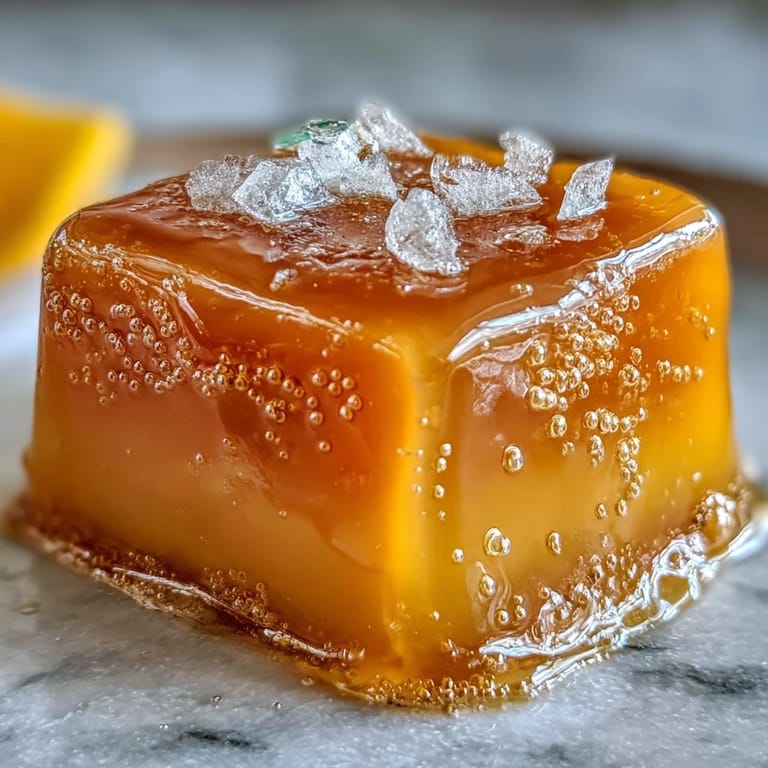
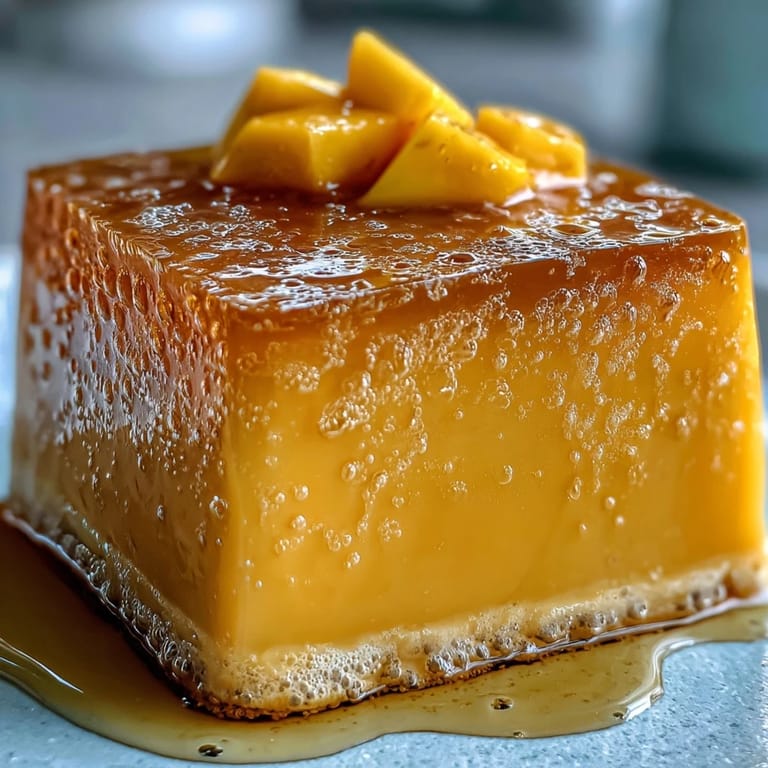
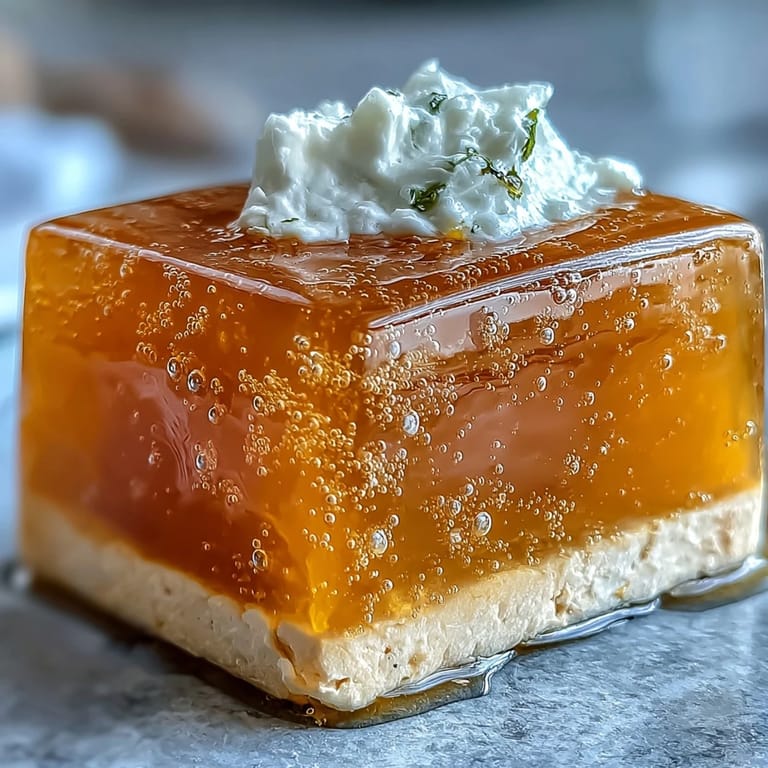
- Once firm, slip a sharp knife through the cool jelly, revealing sunny cubes—serve them chilled for the most refreshing bite.
 Pin
Pin  Pin
Pin 
On a particularly hot day, I watched the last piece disappear from the platter while someone joked that it tasted like sunshine in cube form. In that small moment, the dessert wasn't just a sweet treat—it had become the centerpiece of laughter and conversation, effortlessly lightening the room.
Customize and Play
Experimenting with this jelly has convinced me there's no single right recipe. I’ve swapped in pineapple puree or diced passion fruit, and tossed small mango cubes into the mix for a little bite. Sometimes, just adding that pinch of salt to the coconut layer truly wakes up every other flavor. This is a dessert that seems happiest when you make it your own.
Serving Suggestions
The cubes look beautiful scattered on a platter with mint leaves or edible flowers. I also love packing them into a cold lunchbox for a park picnic—they hold their shape surprisingly well and make for a fun midday pick-me-up. For a twist, try topping with extra coconut milk or even a drizzle of lime syrup. However you serve them, prepare for lots of recipe requests.
Troubleshooting Wobbles
Getting a clean, even layer takes a bit of patience but is totally worth it. Work quickly when pouring the coconut layer, and double-check your agar-agar amount—too little and you get soup, too much and it’s rubbery. If you spot bubbles, skim them off before chilling for that professional finish.
- Be patient with the setting time—good things come to those who wait.
- Use a non-serrated, sharp knife for the cleanest cubes.
- Chill serving plates too, for extra stay-cool power.
 Pin
Pin 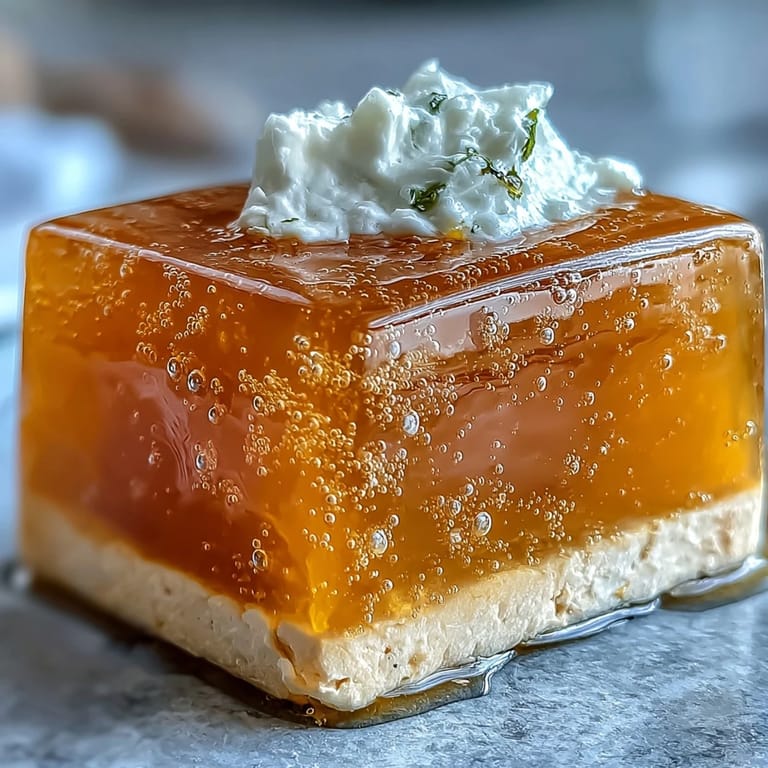 Pin
Pin May these mango coconut jelly cubes bring a little burst of brightness to your table and a smile to those who taste them. They may look fancy, but you’ll see—making and sharing them is pure, simple joy.
Recipe Questions & Answers
- → How do I ensure the mango layer sets properly?
Measure agar-agar carefully (about 1½ tsp for 400 g mango + 200 ml water), whisk into the puree, bring to a rolling boil and simmer 1–2 minutes to fully dissolve. Pour into the mold and chill until just set before adding the coconut layer.
- → Can agar-agar be swapped for gelatin?
Agar-agar is plant-based and gives a firmer, slightly brittle gel at room temperature; gelatin yields a softer, jiggly texture and is not vegan. If using gelatin, follow blooming instructions and expect a texture change.
- → Which coconut milk works best for the top layer?
Use full-fat canned coconut milk for a rich, silky layer and better mouthfeel. Whisk well to combine and add a small pinch of salt to enhance sweetness and balance the coconut fat.
- → How can I prevent the layers from mixing when pouring?
Chill the mango layer until it is just set but still slightly tacky. Cool the coconut mixture to warm (not hot) and pour slowly over the back of a spoon to disperse the flow gently and avoid breaking the mango surface.
- → What storage method keeps the cubes fresh?
Store the chilled cubes in an airtight container in the refrigerator for up to 3–4 days. Keep them cold; freezing is not recommended as the gel texture will degrade.
- → Can I add fruit pieces or other flavors?
Yes—fold finely diced mango, pineapple or passion fruit into the mango layer before it sets for added texture. Large pieces may sink, so keep dice small and distribute evenly.