 Pin
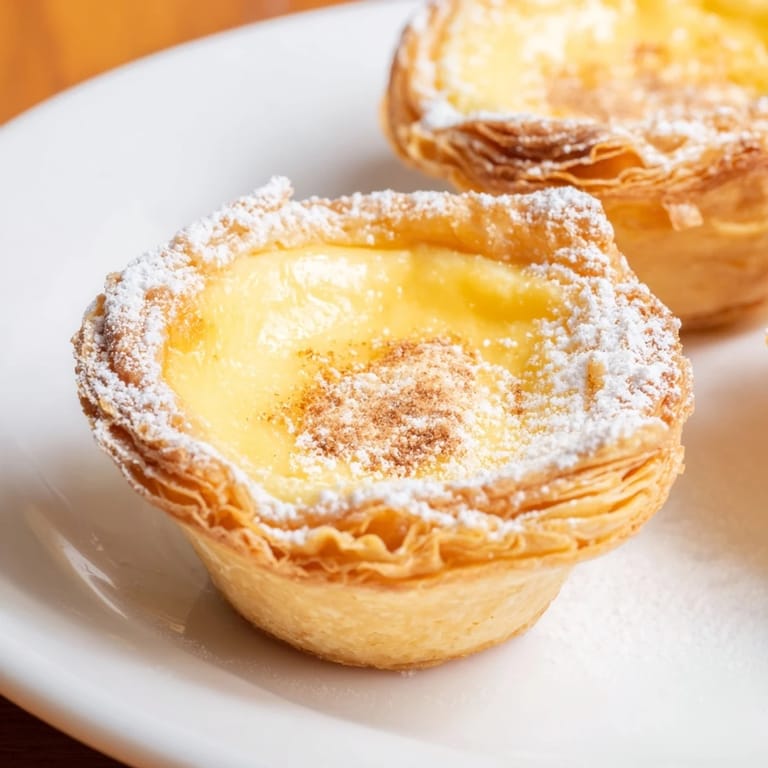
Pin The first time I truly understood Portuguese egg tarts was in a small bakery in Belém, watching through the kitchen window as a baker pulled golden pastry cups from the oven, their edges charred just slightly, the custard inside still trembling. Years later, recreating them at home, I realized those tarts weren't just about technique—they were about that moment when buttery phyllo shatters against your teeth and warm, silky custard touches your tongue, and somehow the world feels smaller and sweeter.
I made these for my neighbor one autumn morning when her daughter was visiting from away, and the smell of cinnamon and butter drifting through our shared wall must have been impossible to ignore. She came over with two espresso cups before I'd even finished dusting them with powdered sugar, and we sat on my kitchen counter like teenagers, eating them while they were still warm, laughing about how something so simple could taste like such a small luxury.
What's for Dinner Tonight? 🤔
Stop stressing. Get 10 fast recipes that actually work on busy nights.
Free. No spam. Just easy meals.
Ingredients
- Phyllo pastry (12 sheets): Paper-thin and impossibly delicate, phyllo becomes your secret weapon for crispy shells—the trick is brushing each sheet generously with butter so every layer gets golden and flaky.
- Unsalted butter, melted (60 g / 4 tbsp): Use real butter here, none of that margarine nonsense; it's the foundation of every layer's flavor and crispness.
- Whole milk (250 ml / 1 cup): Full-fat milk makes the custard richer than you'd expect, giving it that restaurant-quality texture.
- Cornstarch (2 tbsp): This is your thickening agent, keeping the custard silky without curdling the eggs.
- Heavy cream (125 ml / ½ cup): Don't skip this or substitute; the cream is what makes the filling taste indulgent rather than just custardy.
- Granulated sugar (100 g / ½ cup): Measure by weight if you can—it gives you that perfect sweetness without tasting overwhelming.
- Egg yolks (4 large): Use room-temperature eggs and set them aside for a few minutes before whisking; cold eggs take longer to incorporate and create a smoother custard.
- Pure vanilla extract (1 tsp): Real vanilla changes everything; bottled extract with wood alcohol undertones will make you regret the savings.
- Ground cinnamon (½ tsp in custard, 1 tsp for topping): Toast whole cinnamon sticks briefly before grinding if you're feeling ambitious—it wakes up the flavor in ways pre-ground spice never can.
- Salt (pinch): This tiny amount does invisible work, keeping the sweetness from tasting flat.
- Powdered sugar (2 tbsp for topping): The final dusting is aesthetic and functional, adding a whisper of sweetness and preventing the tarts from sliding around on the plate.
Instructions
- Preheat and prepare:
- Set your oven to 200°C (400°F) and let it warm fully—this matters more than you'd think for getting those phyllo cups golden and crispy on schedule.
- Butter and stack the phyllo:
- Lay one phyllo sheet flat, brush it with melted butter until every edge is glossy, then add two more sheets on top, brushing each one. This three-sheet stack is your magic formula for crispness without brittleness. Using a sharp knife or pizza cutter, cut the stacked sheets into squares slightly larger than your muffin cups.
- Create the pastry shells:
- Press each phyllo stack gently into a muffin cup, letting the corners rise above the rim—they'll fold over beautifully as they bake. Don't press too hard or you'll tear the delicate phyllo.
- Blind bake the cups:
- Bake for 8–10 minutes until the edges are pale golden and the phyllo has set; you'll hear it crackling slightly when you pull it from the oven. Let them cool just enough to handle.
- Build the custard:
- In a medium saucepan, whisk milk and cornstarch together first—this prevents lumps—then whisk in the cream, sugar, egg yolks, vanilla, cinnamon, and salt. Keep the whisking gentle but constant so the eggs don't scramble.
- Cook the custard slowly:
- Set the saucepan over medium heat and stir constantly for 5–7 minutes until the custard thickens enough to coat the back of a spoon; when you run your finger across the spoon, the line should hold. Don't let it boil or the eggs will split.
- Fill and final bake:
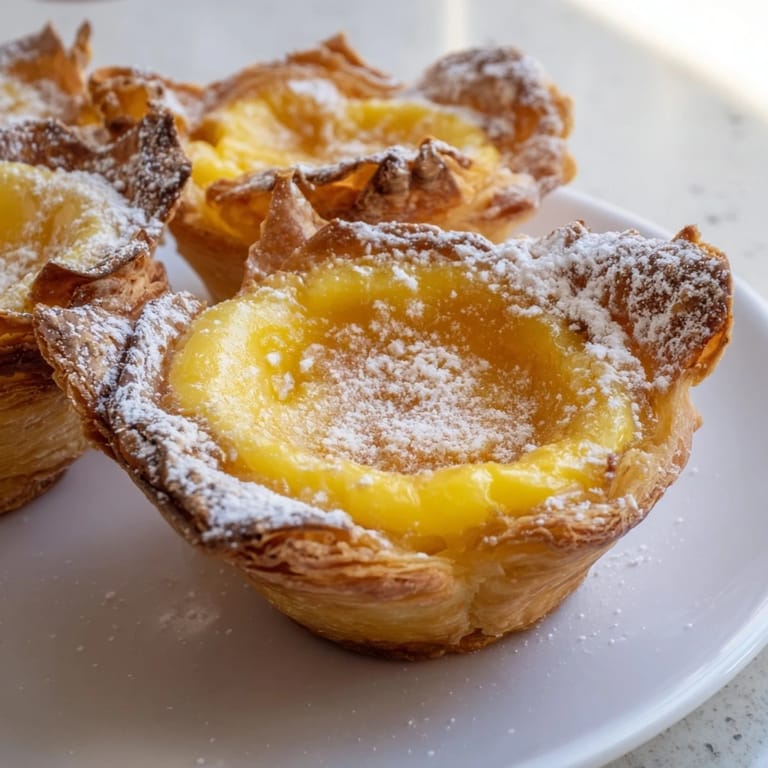
- Divide the warm custard evenly among the phyllo cups—it should come nearly to the rim. Bake for 8–10 minutes until the tops are lightly golden and the custard has just set but still jiggles slightly in the very center when you gently shake the pan.
- Finish with sugar and spice:
- Cool the tarts for a few minutes, then dust generously with cinnamon and powdered sugar while they're still slightly warm so the sugar adheres. Serve warm or at room temperature.
 Pin
Pin 
There's something quietly perfect about the moment these come out of the oven—the kitchen fills with cinnamon and butter, and you know you've made something worth the minimal effort. My grandmother once told me that tarts like these were meant to be eaten with other people, never alone, and I've spent years proving her right.
The Phyllo Question
Phyllo used to intimidate me until I realized it's actually more forgiving than puff pastry because it doesn't care about temperature and won't puff unpredictably. The key is respecting its fragility—brush each sheet with butter like you're applying watercolor, not paint, and keep the sheets you're not using under a damp towel so they don't crack. If a sheet tears while you're working, don't panic; those scraps of phyllo bake up as bonus crispy bits that become your tart-eating reward.
Custard Secrets
The custard is where patience pays off, and most people make the mistake of cooking it too fast or too long. You want it to reach the thickness of heavy cream, not pudding—this happens around 5–7 minutes, and if you overshoot by even a minute or two, you'll have curdled eggs masquerading as custard. Using a cornstarch and milk slurry first prevents those grainy lumps that ruin an otherwise elegant dessert.
Make-Ahead and Storage
These tarts are best eaten the day you make them while the phyllo is still crispy, but they'll keep chilled for up to three days and actually taste just as good if you reheat them gently in a 160°C (325°F) oven for five minutes. The phyllo will regain its crispness, and the custard will warm through without overcooking. You can also make the phyllo cups a day ahead, storing them in an airtight container, and then just fill and bake them fresh when you need them.
- Avoid the refrigerator if you're serving the same day, as the cold makes phyllo less crispy.
- Dust with powdered sugar just before serving, not ahead of time, or it'll dissolve into the tart.
- Pair these with strong espresso or a glass of cold white port for a moment that feels almost fancy.
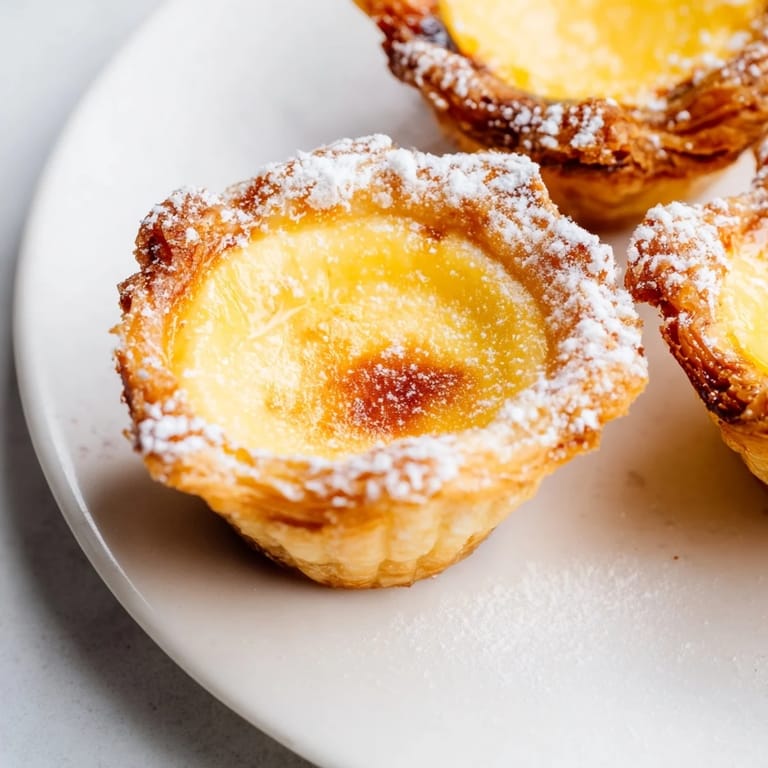 Pin
Pin These tarts remind me why simple food with good ingredients matters more than complicated techniques. They're proof that dessert doesn't need to be fussy to feel special.
Recipe Questions & Answers
- → What makes the phyllo cups crispy?
Brushing each phyllo sheet with melted butter and baking at high heat creates a flaky, crisp texture.
- → How is the custard thickened without lumps?
Whisking milk and cornstarch together before cooking and constant stirring prevents lumps, resulting in a smooth custard.
- → Can these tarts be kept overnight?
Yes, store them chilled and reheat briefly in the oven to restore their crispness before serving.
- → What flavors enhance the custard?
Vanilla extract and ground cinnamon provide warm, aromatic notes that enrich the custard’s taste.
- → What pairs well with these tarts?
A glass of chilled white port or a shot of espresso complements their sweet, creamy profile perfectly.