 Pin
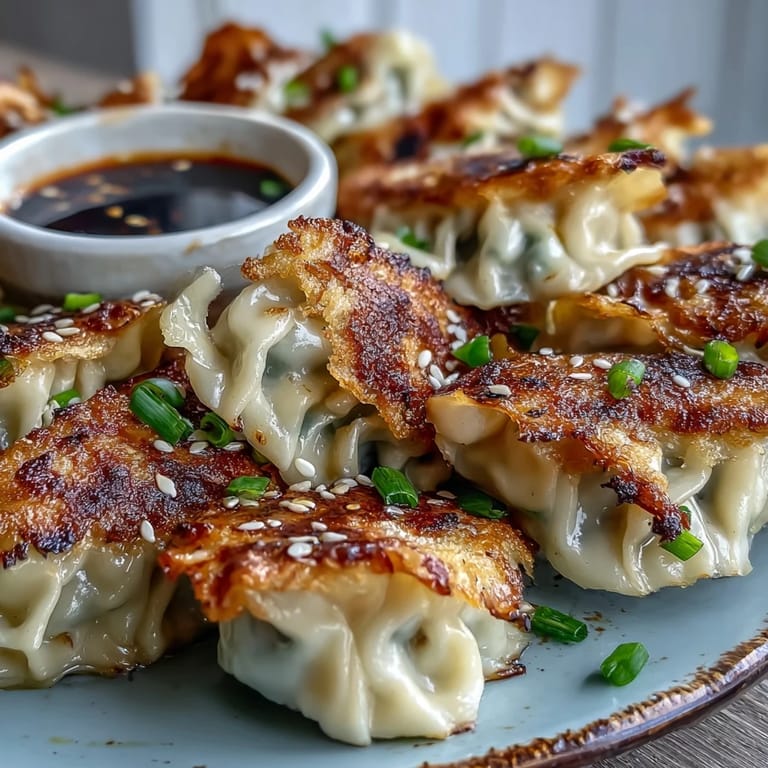
Pin My roommate challenged me to make dumplings from scratch one random Tuesday, but I took the shortcut route with store-bought wonton wrappers instead, figuring nobody would notice the difference. When those first golden gyozas hit the pan and started sizzling, the smell of garlic and sesame oil filled our tiny kitchen so completely that she emerged from her room asking what I was up to. These smashed gyozas became our weeknight lifeline after that, proof that sometimes the easiest path leads to something genuinely delicious.
I made these for a small dinner party last spring, and watching four people simultaneously dip their gyozas and close their eyes in approval felt like winning something small but meaningful. One guest asked if I'd learned to make them in culinary school, which made me laugh because the secret was just patience and decent ingredients in a hot pan.
What's for Dinner Tonight? 🤔
Stop stressing. Get 10 fast recipes that actually work on busy nights.
Free. No spam. Just easy meals.
Ingredients
- Ground pork: The classic choice because it has enough fat to stay juicy when steamed, though chicken works beautifully if you prefer something leaner.
- Napa cabbage: Shred it fine so it becomes almost invisible in the filling, adding moisture and a delicate sweetness that balances the savory elements.
- Green onions: Slice them thin across the blade so they distribute evenly and add brightness without overwhelming bites.
- Garlic and ginger: These two are non-negotiable; they're what separates good gyozas from forgettable ones.
- Soy sauce and sesame oil: Together they create an umami backbone that makes the filling taste like it's been simmering for hours when it hasn't.
- Wonton wrappers: Store-bought saves time without sacrificing texture; they crisp beautifully on the bottom and steam tender on top when done right.
- Neutral oil: Use something with a high smoke point so it doesn't burn during the initial sear.
- Rice vinegar and chili oil: The dipping sauce is where you add the final flavor dimension, so don't skip these.
Instructions
- Make the filling and taste it first:
- Combine your pork, cabbage, green onions, garlic, soy sauce, sesame oil, ginger, sugar, and pepper in a bowl and mix thoroughly with your hands. Pinch a tiny piece and sear it quickly in a hot pan to taste the seasoning before you commit 16 dumplings to it.
- Set up your dumpling station:
- Lay out all your wonton wrappers on a clean, dry surface and have a small bowl of water nearby. Organization here makes the actual folding feel almost meditative.
- Fill and fold with intention:
- Place roughly a teaspoon of filling in the center of each wrapper, moisten the edges with just a fingertip of water, then fold it into a half-moon and press to seal. Flatten it slightly with the heel of your palm to create that characteristic smashed gyoza shape.
- Get the pan singing hot:
- Heat oil in your skillet over medium-high until a tiny piece of wrapper sizzles immediately when it touches the surface. This is the moment everything starts to matter.
- Sear until golden and gorgeous:
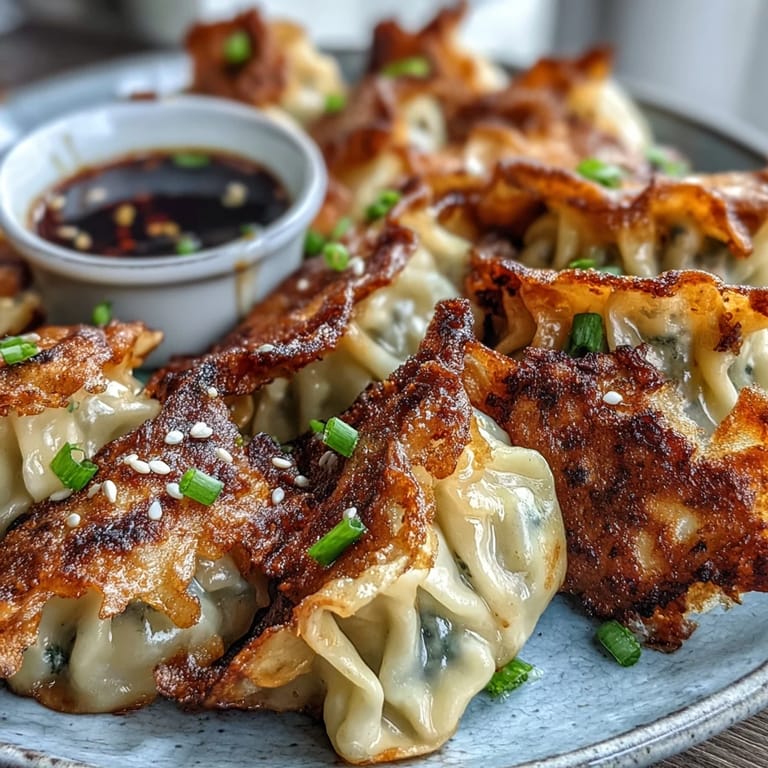
- Place your gyozas flat side down without moving them for 2 to 3 minutes; you want a deep golden crust, not pale or brown. Resist the urge to check them constantly.
- Steam and trap the moisture:
- Add water to the hot pan and cover with a lid immediately; the steam will soften the wrappers and cook the filling through in just 2 to 3 minutes. You'll hear the sizzle quiet down as the steam takes over.
- Crisp them up one final time:
- Remove the lid and cook for another minute without any cover to re-establish that bottom crunch before you plate them.
- Make your sauce while everything cools slightly:
- Mix soy sauce, rice vinegar, chili oil if using, and sesame seeds in a small bowl; taste it and adjust the balance to what your palate wants.
- Serve immediately and enjoy the steam:
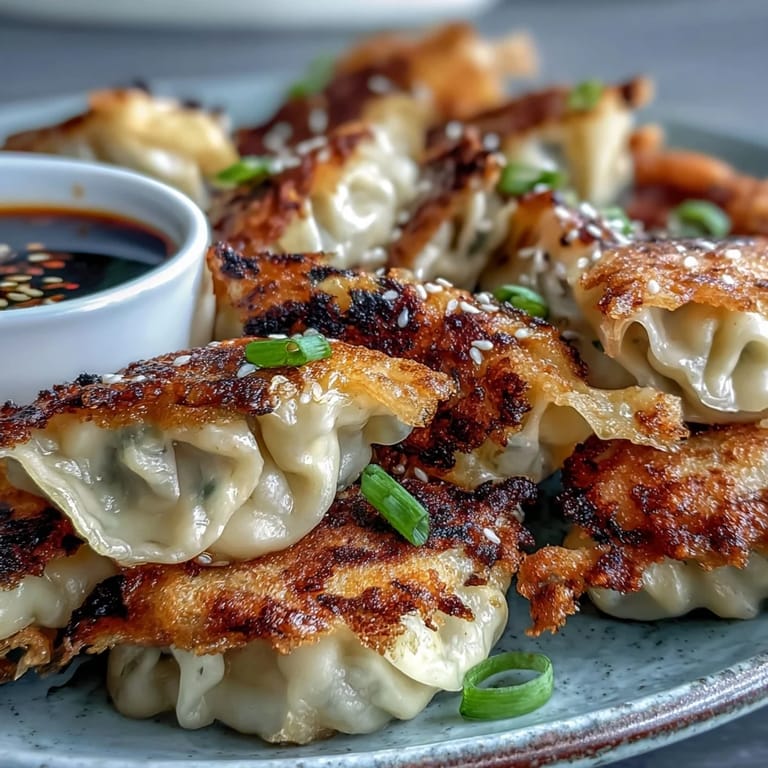
- Serve gyozas hot with the sauce on the side for dipping, ideally while they still have that textural contrast between crispy and tender.
 Pin
Pin 
My younger cousin tried one of these gyozas last month and declared it the best appetizer she'd ever had, then asked why restaurants make such a big deal out of dumplings when this was so straightforward. That's when I realized the power of this recipe isn't complexity; it's the way simplicity and smart technique create something that tastes completely impressive.
The Filling That Matters
The magic happens in that mixing bowl before anything touches a pan. When you combine the pork with cabbage, you're creating a mixture that steams gently and stays moist because the vegetable releases its water as it cooks. The soy sauce and sesame oil aren't just seasonings; they're building layers of flavor that make each bite taste intentional and composed.
The Pan Technique That Sells It
This two-stage cooking method—sear then steam then re-crisp—is what separates smashed gyozas from regular steamed dumplings. Your first few gyozas might not have perfect color because you're finding your heat level, but once you nail it, you're creating a dumpling with a caramelized bottom and a tender, cooked-through filling. The sizzle of oil is your first clue that everything's happening as intended.
Serving and Variations That Work
These gyozas are forgiving enough to work with substitutions; I've made them with ground chicken for lighter weeknight dinners and with tofu for vegetarian friends. The dipping sauce is where you can play too—add more chili oil if your crowd likes heat, or a touch of soy if you want it saltier and less acidic.
- Prep the filling and wrapped dumplings the night before, then cook them fresh when guests arrive for zero-stress entertaining.
- If wonton wrappers aren't available, gyoza wrappers or even thin egg roll wrappers work in a pinch with minimal texture difference.
- Leftover gyozas can be reheated in a skillet with a touch of oil and water, though they're honestly best enjoyed the moment they emerge from the pan.
 Pin
Pin These smashed gyozas have become my go-to when I want to impress without spending hours in the kitchen, and honestly they've ruined restaurant gyozas for me because homemade tastes so much better. Make them once and they'll become part of your regular rotation.
Recipe Questions & Answers
- → What makes smashed gyozas different from regular dumplings?
Smashed gyozas are flattened before cooking, creating more surface area that becomes extra crispy when pan-fried. The smashing technique also creates a thinner, more delicate wrapper texture compared to traditional folded dumplings.
- → Can I freeze uncooked smashed gyozas?
Yes, arrange uncooked gyozas in a single layer on a baking sheet and freeze until firm, then transfer to a freezer bag. They'll keep for up to 3 months. Cook frozen dumplings directly, adding 2-3 extra minutes to the steaming time.
- → What dipping sauces work well with these dumplings?
The classic soy-vinegar-chili oil combination is perfect. You can also try ponzu sauce, chili crisp, or a mixture of soy sauce with black vinegar and sliced scallions. For something different, serve with spicy mayo or sesame-ginger dressing.
- → Can I make these vegetarian or vegan?
Absolutely. Replace the ground pork with crumbled firm tofu, minced mushrooms, or a plant-based ground meat alternative. Add extra vegetables like shredded carrots, bok choy, or water chestnuts for texture. Use vegan wonton wrappers if available.
- → Why do I need to add water during cooking?
Adding water creates steam that cooks the dumpling filling through and tenderizes the wrappers. After the water evaporates, the bottoms re-crisp in the hot oil. This dual cooking method is essential for achieving both tender tops and crispy bottoms.