 Pin
Pin I'll never forget the summer afternoon when my neighbor Maria brought over a platter of colorful chili peppers with three vibrant dips, and the whole party suddenly came alive. Everyone gravitated around that spread, talking louder, laughing harder, reaching for another pepper and another taste of those creamy, cooling dips. That moment taught me something powerful: sometimes the most memorable dishes are the ones that bring people together, spark conversation, and create a feast for both the eyes and the taste buds. This spicy chili pepper fiesta became my signature move for any gathering.
I remember setting this up for my daughter's birthday party, worried that peppers might seem too adventurous for a kids' crowd. But watching them fearlessly dip, experiment with different heat levels, and discover that they loved spicy food was one of those quiet parenting wins. One kid actually said, "This is the coolest appetizer ever," and meant both things at once—literally cool from the yogurt dips, and cool in that undefinable way only kids can express.
What's for Dinner Tonight? 🤔
Stop stressing. Get 10 fast recipes that actually work on busy nights.
Free. No spam. Just easy meals.
Ingredients
- Red Fresno Peppers (8 peppers): These are medium-heat beauties with a fruity undertone. They hold their shape beautifully when halved and create those dramatic red color blocks. The slightly thicker walls make them perfect for scooping.
- Orange Mini Sweet Peppers (8 peppers): These aren't as spicy as their red cousins, but their bright orange color is essential for the visual fiesta effect. They're naturally sweeter, which appeals to heat-sensitive guests.
- Yellow Hungarian Wax Peppers (8 peppers): These are my secret weapon for adding complexity—they're waxy, crisp, and pack a gentle heat that builds slowly. The pale yellow color completes the tri-color arrangement.
- Red Jalapeños (4 peppers): For anyone who wants a real kick, these deliver without being overwhelming. Choose firm ones with smooth skin for better presentation.
- Yellow Chili Peppers (4 peppers): Yellow jalapeños or banana peppers work beautifully here, adding another layer of heat variation. They're milder than their red counterparts and photograph gorgeously.
- Canned Chickpeas (1 cup): The foundation of your hummus. Draining and rinsing them removes excess starch, giving you a silkier, creamier final texture. I learned this the hard way after one gluey attempt.
- Roasted Red Bell Pepper (1/2 cup): This is where sweetness and depth come from. Using jarred saves time, but if you roast your own, you'll taste the difference in the subtle char flavor.
- Tahini (2 tablespoons): This is non-negotiable for authentic hummus. It adds sesame richness and helps bind everything into that dreamy texture. Don't skip it or substitute it—nothing else gives quite the same magic.
- Extra-Virgin Olive Oil (2 tablespoons plus drizzle): Quality matters here since it's raw and prominent in flavor. A good oil makes the hummus taste expensive and sophisticated.
- Lemon Juice (1 tablespoon fresh): Always fresh—bottled just doesn't have the same brightness. This prevents the hummus from tasting flat and ties all the spice together.
- Smoked Paprika (1/2 teaspoon): The secret that makes people ask, "What's in this?" It adds color and a subtle smokiness that feels deeper than regular paprika.
- Greek Yogurt (3/4 cup, full fat): Full fat is key here. It's creamier, richer, and holds the mango flavor better than non-fat versions. This is what makes the dip feel luxurious.
- Ripe Mango (1/2, peeled and diced): Choose one that yields slightly to pressure. The sweetness and tropical notes create a gorgeous contrast to the pepper heat. Underripe mangoes will taste bland; overripe ones fall apart.
- Lime Juice (2 tablespoons total, fresh): Fresh lime is essential—it keeps the avocado from browning and adds brightness that bottled juice simply can't match. Squeeze it just before serving when possible.
- Chili Powder (1/4 teaspoon in mango dip, pinch in avocado): This connects the dips thematically to the peppers. It's warming rather than aggressive, tying the whole experience together.
- Avocado (1 ripe): Choose one that's perfectly ripe—not rock hard, not brown inside. I judge by gently squeezing the narrow end. You want it to yield with gentle pressure.
- Sour Cream (1/4 cup): This tempers the avocado's richness while keeping everything light. It's your secret to a dip that tastes fresh, not heavy.
- Fresh Cilantro (2 tablespoons in cream, plus for garnish): Cilantro is controversial, but it brings an herbal brightness that makes the whole platter feel alive. If it's not your thing, parsley works in a pinch.
- Ground Cumin (1/4 teaspoon): A whisper of cumin adds warmth and earthiness without being obvious. It's the kind of ingredient that makes people say, "I can't quite put my finger on it, but it's perfect."
- Kosher Salt: Kosher salt dissolves smoothly and tastes less harsh than table salt. It's a small difference that compounds into better-tasting everything.
- Queso Fresco or Feta (crumbled, for garnish): This adds texture, visual contrast, and a salty, tangy element that stops the spread from feeling one-note. It's worth finding the real thing.
- Lime Wedges (for serving): These aren't just pretty—they're functional. Guests can squeeze them over peppers to cut heat or brighten the dips. Always include them.
Instructions
- Rinse and Prep Your Peppers:
- Run all your peppers under cold water and pat them completely dry with paper towels—moisture is your enemy here because it'll make the platter weep and turn soggy. Put on gloves now (this step is non-negotiable unless you enjoy capsaicin on your hands for the next six hours). Using a sharp paring knife, trim the stems and slice each pepper in half lengthwise. If you like your fiesta milder, carefully scrape out the seeds and white membranes with a small spoon—that's where the heat lives. For the brave or heat-loving crowd, leave some seeds in. You're creating little pepper boats here, so make sure they're relatively flat and stable.
- Arrange Your Color Explosion:
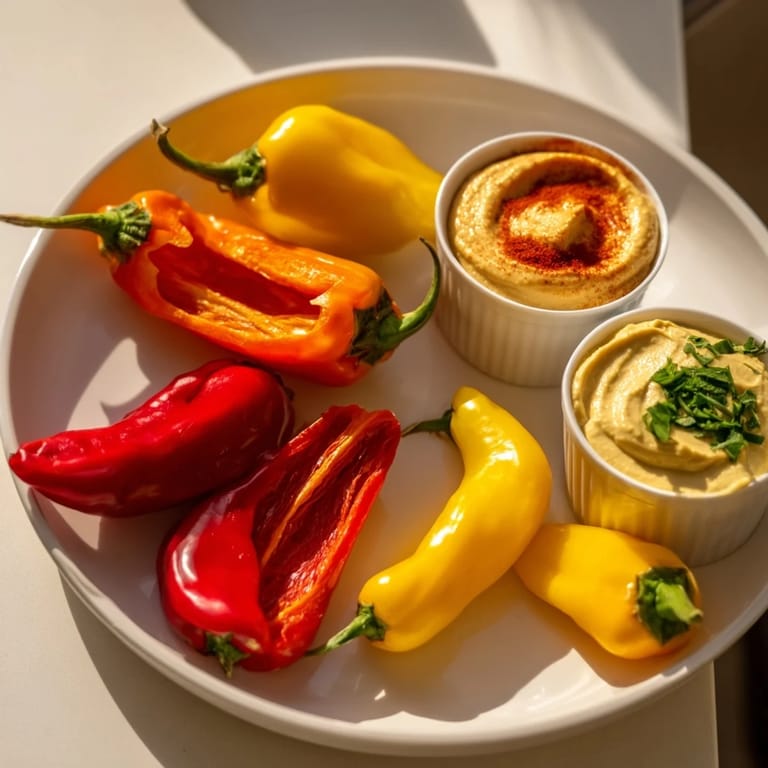
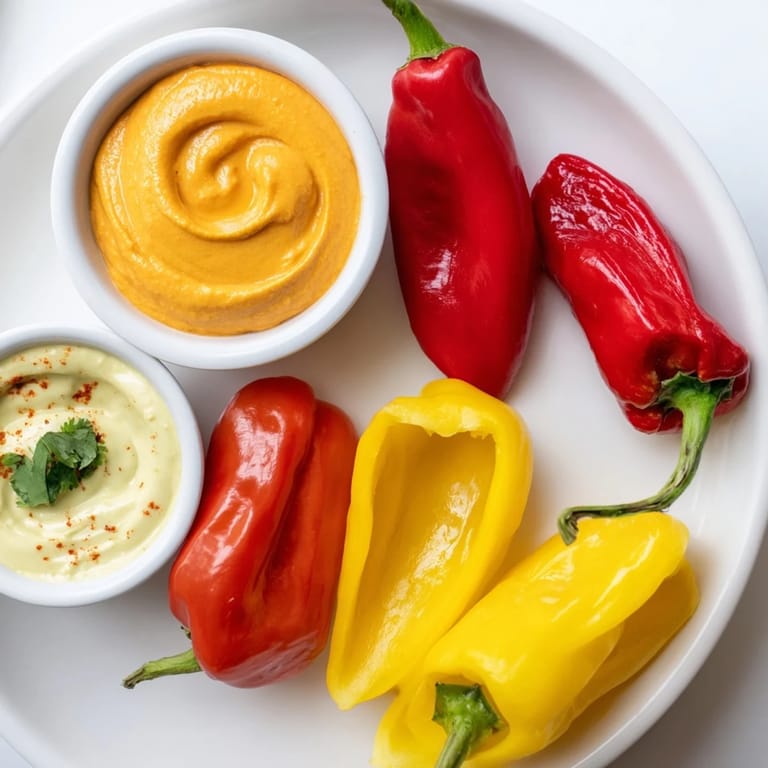
- This is where the platter becomes art. Take your large serving platter and start arranging pepper halves skin-side down (this keeps them stable and creates natural cups for dipping). Work in concentric circles or radiating patterns by color—all the reds together, then the oranges, then the yellows. This color-blocking is what makes people gasp when they first see it. Vary the pepper types as you go so there's textural interest. Press each pepper half gently into place so it won't slide around when someone reaches for a dip.
- Blend the Roasted Red Pepper Hummus:
- In a food processor, combine your drained chickpeas, roasted red bell pepper, tahini, olive oil, lemon juice, smoked paprika, salt, and garlic clove. Pulse a few times, then let it run smooth for about 1–2 minutes. You'll know it's ready when it goes from chunky to silky, with a gorgeous orange-red color. Pause halfway through to scrape the sides down—this ensures everything gets properly incorporated. Taste it now. Does it need more salt? More brightness from lemon? This is your moment to adjust. Be careful not to over-process; the moment it's creamy and spreadable is the moment to stop.
- Create Your Mango-Yogurt Magic:
- In a blender or small food processor, combine your Greek yogurt, diced mango (it should still have some texture), lime juice, chili powder, and a pinch of salt. Blend for about a minute, watching for that transformation from separate ingredients to a unified, pale yellow cream. The mango should completely disappear into the yogurt, leaving no chunks. The texture should be pourable but thick enough to coat a pepper. If it seems too stiff, add a teaspoon or two of water and blend again. Taste it and brighten with more lime juice if it feels flat. This dip is all about balance—not too spicy, not too sweet, with lime tying it together.
- Whisk Your Avocado-Cilantro Cream:
- Scoop your perfectly ripe avocado flesh into a bowl and add the sour cream, lime juice, cilantro, cumin, and salt. Using a fork, mash this together roughly at first—you want some texture, not a completely smooth purée. Then whisk gently for a few seconds until it's creamy and light green with visible cilantro flecks throughout. Taste for salt and lime. This dip is delicate and will brown quickly once exposed to air, so make this last and serve it immediately after assembly. If you're doing this ahead, press plastic wrap directly onto the surface to prevent oxidation.
- Nestle Your Dips and Garnish:
- Arrange your three bowls of dips among the pepper sections, spacing them strategically so they serve as visual breaks between the color groups. Scatter fresh cilantro across the platter—it adds another layer of green and makes everything look abundant and alive. Crumble your queso fresco or feta over the top for texture and visual interest, focusing it near the pepper arrangements. Tuck lime wedges around the platter so guests can easily grab them. Step back and look at what you've created—it should look like a celebration just sitting there, waiting to be eaten.
- Serve with Flourish:
- Bring this to the table immediately. The peppers should be glistening and crisp, the dips should be perfectly textured and cool, and the whole thing should make people pause before diving in to appreciate how beautiful it is. Have small plates nearby so guests can properly load up, and maybe mention that each pepper-dip combination is a slightly different experience.
 Pin
Pin 
There was this moment at a dinner party when a usually quiet guest took a bite of pepper, then dip, then reached immediately for another. They locked eyes with me and just smiled—that smile that says, "I'm in my element right now, this is good, thank you for this." That's when I realized this platter isn't really about the ingredients or even the flavors. It's about creating a moment where people feel welcome to experiment, to find their own heat level, to discover that they enjoy spicy food or cilantro or creamy dips more than they expected to.
The Visual Language of Your Platter
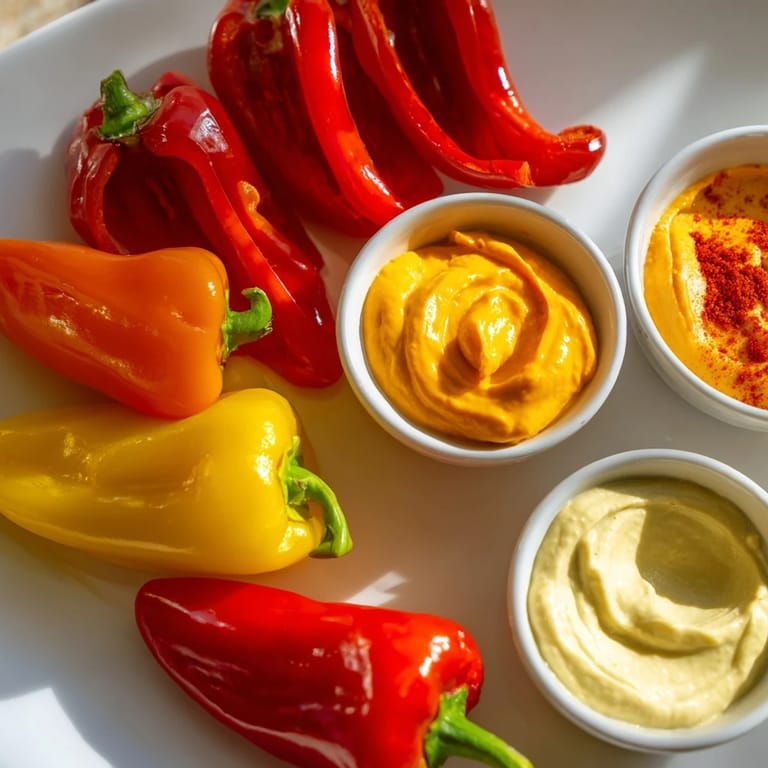
The color arrangement isn't just for Instagram (though it certainly photographs well). There's something psychological about seeing red, orange, and yellow peppers arranged in gradients—it draws the eye, it makes people slow down and appreciate, and it gives the platter an intentional, designed feeling even though you just arranged some vegetables. I've learned that the visual presentation often matters as much as the taste because it sets expectations. When guests see something this beautiful and thoughtfully arranged, they approach it with more care, they try more combinations, and they remember the experience longer. In essence, you're using color theory to improve their eating experience.
Heat Management for Mixed Crowds
One of the genius aspects of this platter is that it naturally accommodates different heat tolerances without making anyone feel excluded. The orange mini sweet peppers are genuinely mild and sweet, perfect for people who don't enjoy spice. The red Fresnos and jalapeños offer a medium range that builds gradually. The yellow peppers and Hungarian wax peppers sit in their own interesting zone. By seeding some peppers and leaving seeds in others, you're essentially creating a heat spectrum on a single platter. Guests can automatically gravitate toward their comfort zone, and often, the presence of milder options makes heat-sensitive people more willing to try something slightly spicier. The creamy dips themselves cool down any burn, which is why pairing them matters so much. A raw pepper alone might feel aggressive; a pepper with cooling yogurt dip feels like a delicious adventure.
The Dip Trinity and Why Three Works
I could have made one dip, but three creates a different dynamic entirely. The roasted red pepper hummus is earthy and slightly smoky—it grounds you. The mango-yogurt dip is bright and tropical—it surprises you. The avocado-cilantro cream is herbaceous and smooth—it soothes and balances. When guests taste these three in succession, they're experiencing texture variation, flavor progression, and temperature play (assuming you chill the dips beforehand, which you absolutely should). They're not just eating peppers and dips; they're on a small flavor journey. This variety is what keeps people reaching back for more instead of getting bored after a few bites. It's also why the platter feels like a more thoughtful contribution to a gathering than just putting out some cut vegetables and hummus.
- Chill your dips for at least 30 minutes before serving—the cold contrast with the fresh, crisp peppers is essential to the experience.
- Make the dips no more than a few hours ahead, and store them in airtight containers. The mango and avocado dips especially lose brightness as they sit.
- Taste and adjust each dip individually before assembly. A pinch more lime, a grain more salt—these small tweaks make the difference between good and memorable.
 Pin
Pin This platter has become my answer to the question, "What should I bring?" because it's easy enough that I'm not stressed, but impressive enough that people remember it. Every time I make it, I'm reminded that sometimes the best food moments are built on color, contrast, and permission to play.
Recipe Questions & Answers
- → How should I prepare the chili peppers for mild heat?
To reduce heat, carefully remove the seeds and membranes from the peppers before arranging them. Wearing gloves is recommended to protect your skin from capsaicin.
- → Can I substitute other peppers for this platter?
Yes, milder bell peppers or other sweet varieties can replace the hotter chili peppers to suit personal taste while maintaining the colorful presentation.
- → What makes the roasted red pepper hummus creamy and vibrant?
Combining chickpeas with roasted red peppers, tahini, olive oil, and citrus creates a smooth, rich dip with an eye-catching orange-red hue and balanced flavor.
- → How do I keep the dips fresh and flavorful before serving?
Prepare dips in advance and chill them properly. Assemble the platter just before serving to maintain freshness and optimal texture.
- → What garnishes enhance the flavor and presentation?
Sprinkling chopped fresh cilantro, crumbled cheese like queso fresco or feta, and adding lime wedges adds color contrast and brightens flavors.