 Pin
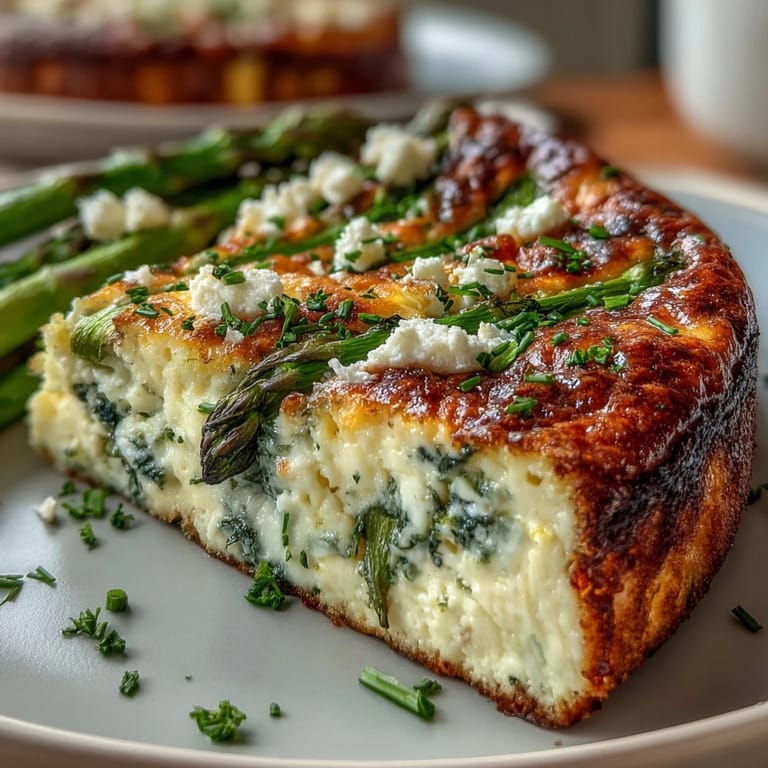
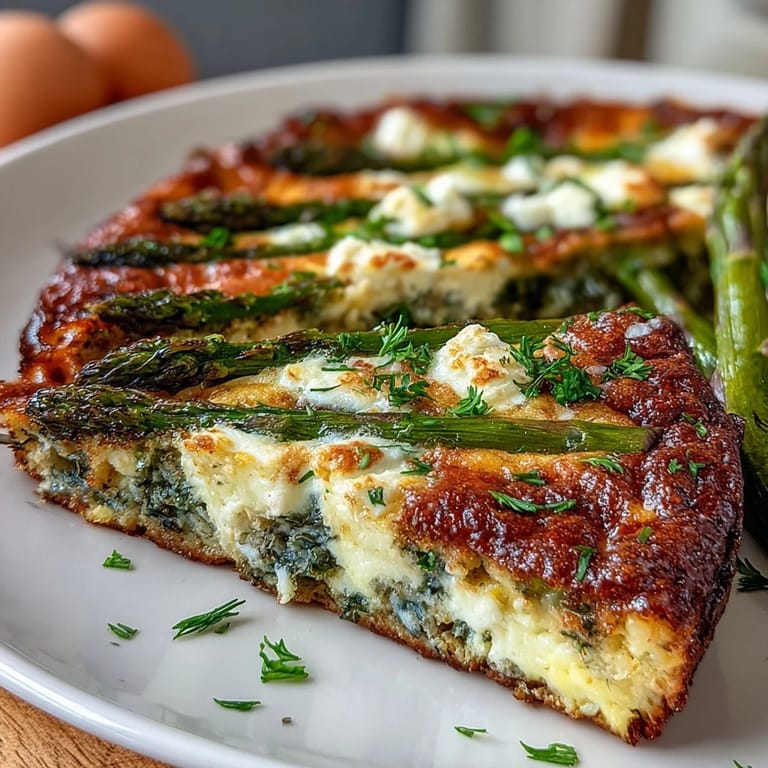
Pin My neighbor stopped by one Saturday morning with a bundle of asparagus from her garden, and I realized I had nothing to do with it except the usual roasted-on-a-sheet-pan routine. That's when I thought about eggs—something I always have on hand—and how a frittata could turn those tender spears into something that felt like a celebration rather than a side dish. The goat cheese came later, almost by accident, when I was cleaning out the fridge and found it lingering in the back, begging to be used.
I made this for the first time when my sister visited in early May, and she sat at the kitchen counter asking questions while I moved things around in the pan. By the time it came out of the oven with those golden edges, she was already talking about making it for her own dinner party. That's the kind of recipe that inspires people without feeling like you've spent all day cooking.
What's for Dinner Tonight? 🤔
Stop stressing. Get 10 fast recipes that actually work on busy nights.
Free. No spam. Just easy meals.
Ingredients
- Asparagus: Choose stalks that snap cleanly when bent—that's your sign they're fresh and tender enough that they won't turn stringy as they cook.
- Eggs: Room temperature eggs blend more smoothly and create a fluffier frittata, so pull them from the fridge a few minutes early if you remember.
- Goat cheese: The tanginess cuts through the richness of the eggs and adds a brightness that makes each bite feel lighter than it actually is.
- Red onion: It softens completely during cooking, adding sweetness and a subtle color that makes the finished frittata look intentional.
- Baby spinach: Wilts in seconds, so don't overthink it—just toss it in at the last moment before the eggs go in.
- Fresh herbs: Chives and dill feel optional until you taste the difference they make; that's when they become essential.
- Whole milk: Creates a creamier texture than water alone and works with the eggs to keep things tender rather than rubbery.
Instructions
- Warm your skillet and get the vegetables ready:
- Heat olive oil in your ovenproof skillet over medium heat, then add the red onion. Listen for the gentle sizzle and watch it soften—this takes about 2 to 3 minutes, and you'll know it's ready when the edges turn translucent.
- Cook the asparagus until it's just tender:
- Add the asparagus pieces and stir occasionally for 4 to 5 minutes. You want them to be soft enough to cut easily but still holding their shape and color.
- Add the spinach and let it wilt:
- Toss in the chopped spinach and stir for about a minute—it'll collapse almost immediately, which means you're right on time.
- Whisk the egg mixture in a separate bowl:
- Combine the eggs, milk, salt, black pepper, and half of the fresh chives and dill. Whisk until the mixture is pale and homogeneous, with no streaks of white visible.
- Pour the eggs over the vegetables:
- Reduce the heat to low and pour the egg mixture evenly across the pan. It should sizzle gently but not aggressively—if it's too loud, your heat is too high.
- Add the cheese and let the edges set:
- Dollop the crumbled goat cheese across the top, then sprinkle with Parmesan. Let everything cook undisturbed for 4 to 5 minutes until you see the edges starting to firm up but the center still looks slightly wet.
- Transfer to the oven and finish cooking:
- Move the whole skillet to a preheated 180°C oven and bake for 10 to 12 minutes until the center is just set and the top is lightly golden—you're looking for that moment before it becomes firm all the way through.
- Rest and serve:
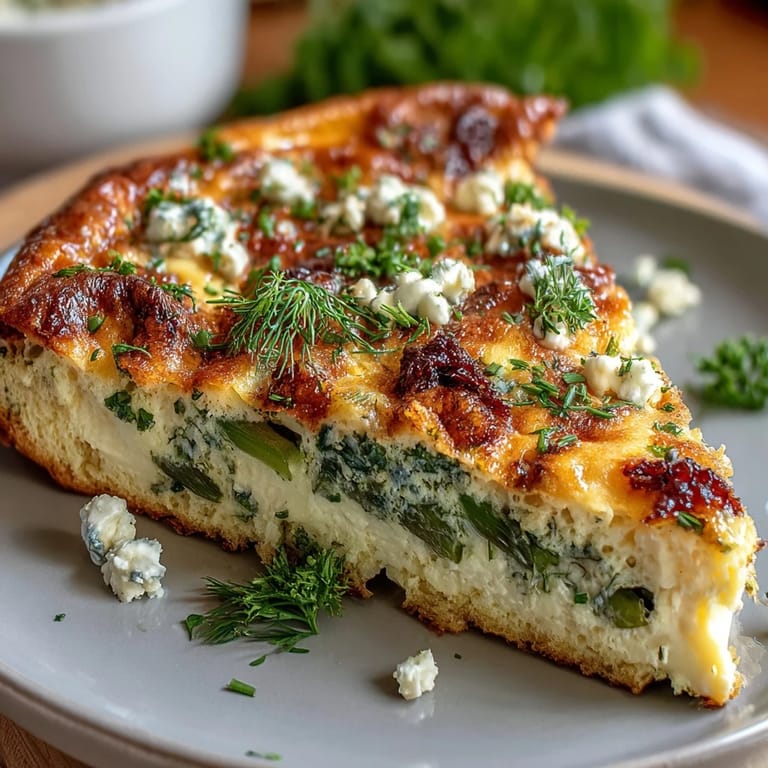
- Let the frittata rest in the pan for 5 minutes, which helps it hold together when you slice it. Garnish with the remaining herbs and a pinch of red pepper flakes if you like a little heat.
 Pin
Pin 
There's a moment when you pull a frittata from the oven and the kitchen fills with that egg-and-cheese smell that somehow feels both simple and luxurious. I realized then that this dish sits in that perfect space where it feels indulgent enough for company but practical enough for a quiet morning alone.
Why Spring Vegetables Matter Here
Asparagus and spinach aren't just vegetables in this dish—they're the soul of it. Spring vegetables have a tenderness that makes them cook quickly and taste bright, which means your frittata stays light instead of feeling heavy. When you use in-season produce, the dish tastes like it knows what time of year it is.
Temperature and Texture Tips
The secret to a perfect frittata is understanding that stovetop and oven do different jobs. The stovetop sets the edges and creates a little structure, while the oven gently finishes the center without curdling the eggs. Think of it like a relay race where each heat source has its moment to shine.
Making It Your Own
Once you understand how a frittata works, you can improvise with whatever is in your kitchen. Leeks, peas, sun-dried tomatoes, or roasted peppers all work beautifully. The ratio of eggs to vegetables is forgiving, so don't stress about precision.
- Feta cheese and dill create a completely different personality than goat cheese and chives, so experiment with flavor combinations that excite you.
- Serve it warm from the oven, at room temperature on a picnic, or cold straight from the fridge the next morning—it genuinely tastes good every way.
- Pair it with a simple green salad and crusty bread to turn brunch into something that feels like a meal rather than a quick eat.
 Pin
Pin This frittata taught me that sometimes the best dishes are the ones that feel effortless because you've done the thinking ahead of time. Make this once, and you'll find yourself making it again and again.
Recipe Questions & Answers
- → What is the best way to cook the asparagus for this dish?
Trim and cut asparagus into 2 cm pieces, then sauté in olive oil until just tender, around 4-5 minutes, to maintain a pleasant texture.
- → Can I substitute goat cheese with other cheeses?
Yes, feta or ricotta are excellent substitutes, offering different but complementary flavors and textures to the dish.
- → How do fresh herbs enhance the flavor?
Fresh herbs like chives and dill add brightness and a subtle aromatic touch that complements the creamy and vegetal notes.
- → What is the ideal pan to use for making this dish?
An ovenproof skillet, such as a cast iron or nonstick pan around 25-28 cm, ensures even cooking on the stove and in the oven.
- → Can this dish be prepared ahead of time?
Yes, it can be made in advance and gently reheated, making it convenient for brunch gatherings or meal prepping.
- → What sides pair well with this frittata?
Light salads and crusty bread complement the dish, while a crisp white wine or sparkling rosé enhances the dining experience.