 Pin
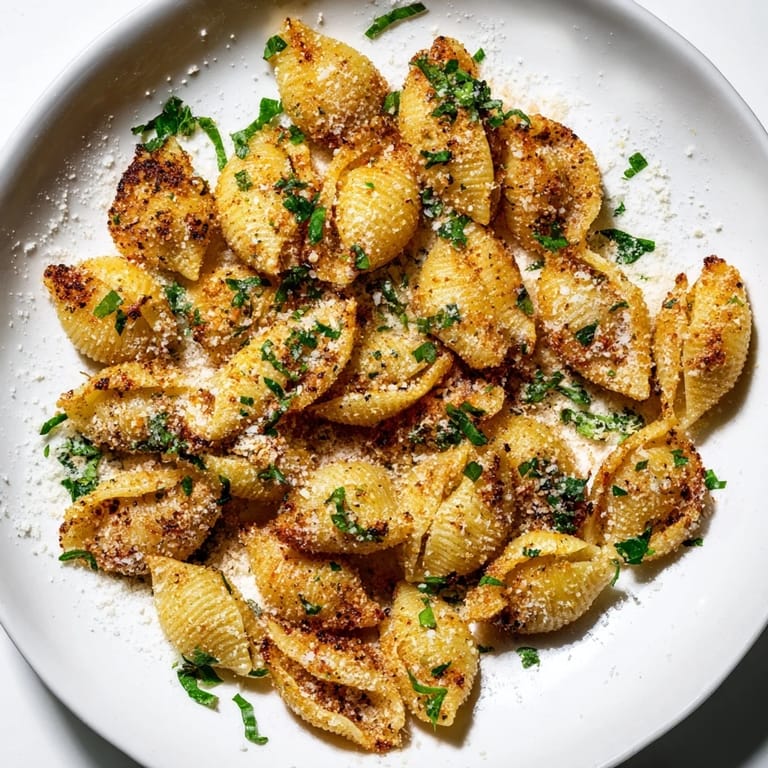
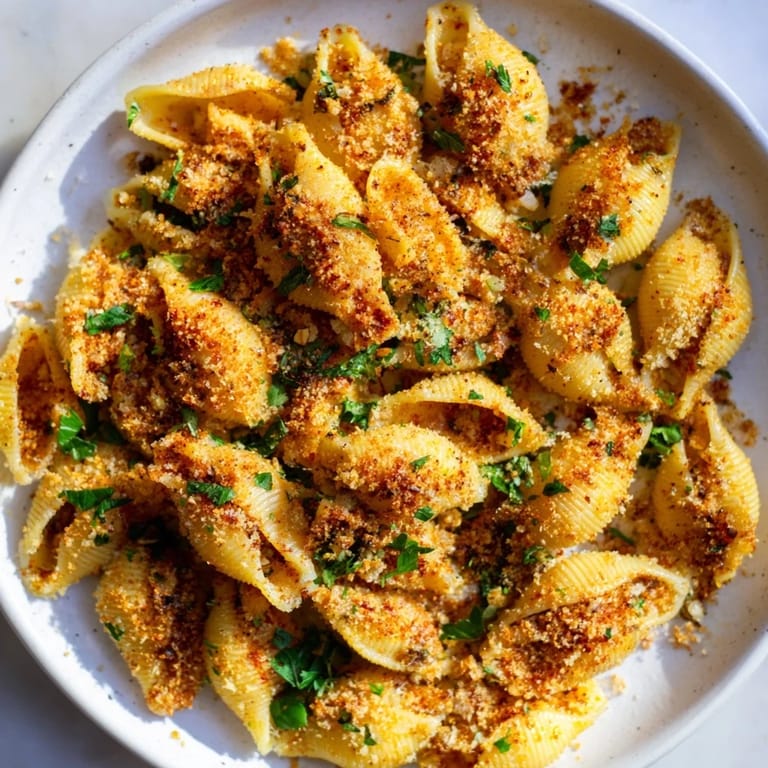
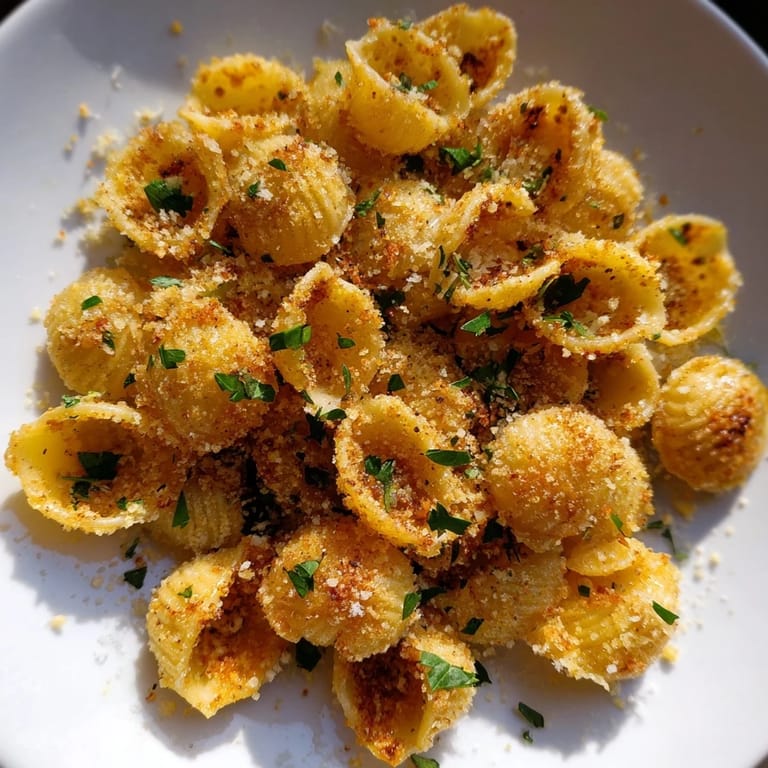
Pin I discovered this recipe by accident on a Tuesday night when I had leftover cooked pasta and was looking for something crispy to snack on before dinner. My air fryer had been gathering dust, and I thought, why not? Twenty minutes later, I pulled out golden, crunchy shells that tasted like nothing I'd made before—somewhere between a chip and a pasta bite, with this unexpected textural magic that made me wonder why this wasn't already a thing.
A friend came over while I was testing this, caught the aroma of smoked paprika and garlic wafting from the kitchen, and I handed her a warm shell straight from the basket. She ate five in a row without saying anything, then just looked at me and asked for the recipe. That moment told me I had something special.
What's for Dinner Tonight? 🤔
Stop stressing. Get 10 fast recipes that actually work on busy nights.
Free. No spam. Just easy meals.
Ingredients
- Medium pasta shells (conchiglie), 250 g: The curved shape traps seasoning and crisps up beautifully—flat pastas won't have the same textural payoff.
- Olive oil, 2 tbsp: This is your crisp factor; don't skip it or use too little, or the shells stay chewy instead of shattering between your teeth.
- Garlic powder, 1/2 tsp: Fresh garlic tends to burn in the air fryer, so powder is your friend here.
- Smoked paprika, 1/2 tsp: The smoky note is what makes people ask what you did differently—it's subtle but essential.
- Dried Italian herbs, 1/2 tsp: Use whatever you have; oregano is my go-to, but basil or thyme work just as well.
- Sea salt and black pepper: Taste as you go; you're the judge of how much seasoning feels right.
- Parmesan cheese, grated, 30 g: Optional but worth it—adds a savory depth while the shells are still hot and the oil helps it stick.
- Fresh parsley, chopped: A brightness that cuts through the richness and makes it feel less indulgent.
- Marinara sauce for dipping: The classic pairing, though honestly, these shells stand alone just fine.
Instructions
- Cook the pasta until just right:
- Boil your shells in salted water, but pull them out a minute before the package says—you want them slightly firm because they'll soften more in the air fryer. Drain well and pat them dry with paper towels; any moisture left behind will steam instead of crisping.
- Coat with love:
- Toss everything in a bowl: the cooled shells, olive oil, all your seasonings, and mix until every shell glistens. This is where flavor lives, so don't rush it.
- Preheat your air fryer:
- Three minutes at 200°C gives the basket time to get hot enough to start the crisping process immediately when the shells hit it.
- Arrange in a single layer:
- Overcrowding is the enemy of crispness—if your basket can't hold all your shells in one go, split them into batches. It's worth the extra few minutes.
- Air fry with a shake:
- Twelve to fifteen minutes total, and shake the basket about halfway through so they crisp evenly. You'll hear them rattle and tumble; that sound means they're cooking right.
- Finish and serve hot:
- Transfer to a bowl while they're still warm, shower with Parmesan and parsley, and get them to the table immediately. They're best in the first few minutes when the contrast between crispy and tender is at its peak.
 Pin
Pin 
This recipe became my secret weapon at potlucks because everyone assumed they required some complicated technique, and I loved watching their faces when I explained it was just leftover pasta. Simple things that surprise people have always been my favorite kind of cooking.
How to Store and Reheat
These shells are best eaten the same day, while the crispness is still alive in them. If you do have leftovers, stash them in an airtight container for up to two days, and a quick three-minute air fry at 180°C will resurrect most of the crunch.
Variations Worth Trying
Once you make these once, your brain starts spinning with possibilities. Swap the shells for rigatoni or penne and you'll get different textural experiences—tubes get hollow and airy, while penne stays more substantial. I've experimented with everything from za'atar to curry powder to everything bagel seasoning, and honestly, they all work because the air fryer does the heavy lifting.
Why This Works So Well
The magic here is that air fryers are essentially tiny convection ovens that circulate hot air at such velocity that they crisp things faster and more evenly than you'd think possible. Pasta, being starchy, takes to this treatment beautifully—it's already cooked through, so the air fryer is just doing cosmetic work, turning the surface golden and crunchy while leaving the inside tender.
- If you're cooking these for guests, prep the coating while the air fryer preheats, and you'll have a snack ready in under twenty minutes total.
- They're gluten-free if you use gluten-free pasta, and vegan if you skip the Parmesan or use nutritional yeast instead.
- The shells stay crispy for about ten minutes after coming out of the air fryer, so time your plating accordingly.
 Pin
Pin This is one of those recipes that feels too simple to be real until you taste it and understand why it works. Once you do, it becomes the thing you reach for when you want something special without the fuss.
Recipe Questions & Answers
- → What pasta shape works best for this dish?
Medium pasta shells like conchiglie hold seasoning well and crisp up nicely in the air fryer. Other shapes such as rigatoni or penne can also be used for variation.
- → How do I ensure maximum crispiness?
Make sure the cooked pasta is thoroughly dried before tossing with oil and spices. Pat dry with paper towels to remove moisture for extra crunch.
- → Can I add a spicy flavor dimension?
Yes, sprinkle chili flakes when seasoning the pasta for a subtle spicy kick that complements the smoky paprika.
- → Is Parmesan necessary for serving?
Parmesan adds a savory richness but can be omitted or replaced with nutritional yeast for a dairy-free option while maintaining depth of flavor.
- → What temperature and time are best for air frying?
Preheat the air fryer to 200°C (400°F) and cook the pasta shells for 12–15 minutes, shaking halfway through to ensure even crisping.
- → How can I customize the herb seasoning?
Use your choice of dried Italian herbs such as oregano, basil, or thyme to tailor the flavor profile to your preference.