
 Pin
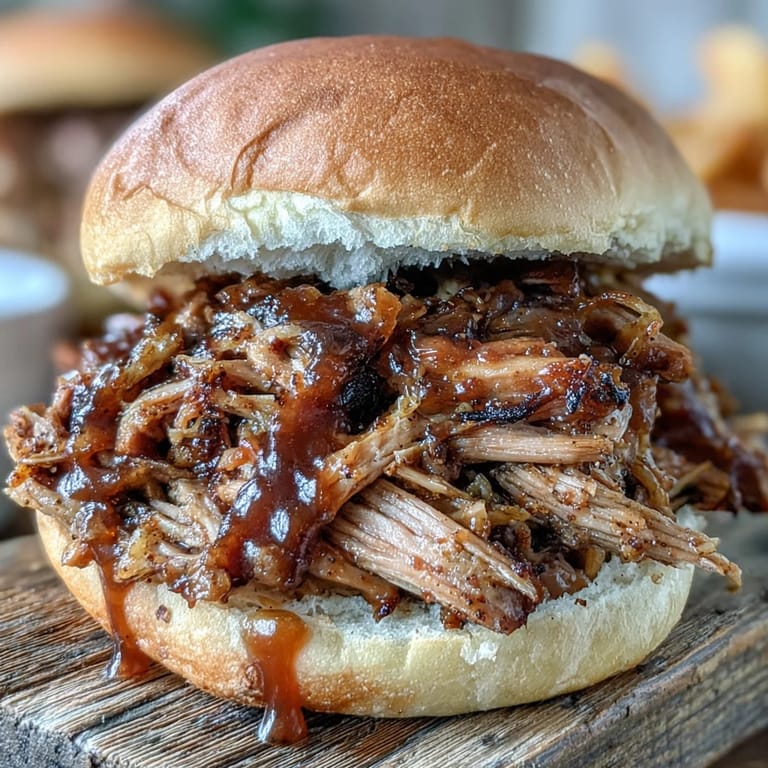
Pin My neighbor showed up at my door one October afternoon with a jar of homemade applesauce and a knowing smile, insisting I try something different with pulled pork. I was skeptical—applesauce seemed too gentle, too breakfast-y for something I'd always made with thick barbecue sauce and heat. But that first sandwich, warm and fragrant with cinnamon and apple cider, changed my mind completely. The sweetness wasn't cloying; it played against the savory meat like a conversation between old friends who actually listen to each other.
Last spring, I made this for my daughter's soccer team's end-of-season potluck, and I watched these teenagers come back for thirds—thirds!—which honestly felt like winning the lottery. One kid asked if it was "that fancy pulled pork place," and I let him believe it for a second before admitting it came from my slow cooker. He looked genuinely betrayed that something so good could be so simple.
What's for Dinner Tonight? 🤔
Stop stressing. Get 10 fast recipes that actually work on busy nights.
Free. No spam. Just easy meals.
Ingredients
- Pork shoulder or butt: This cut has enough fat and connective tissue to become impossibly tender and juicy after eight hours of low and slow cooking—don't skimp on the trimming though, as you want mostly meat.
- Kosher salt, black pepper, smoked paprika, and cinnamon: These four seasonings create a subtle spice rub that wakes up the pork before it even hits the slow cooker, so don't skip the dry seasoning step.
- Unsweetened applesauce: Unsweetened is crucial because the brown sugar will add enough sweetness; sweetened applesauce turns the whole thing into dessert masquerading as dinner.
- Apple cider (not vinegar): This is the difference between depth and tartness—real cider brings a mellow, orchard-like character that vinegar can never replicate.
- Brown sugar, Dijon mustard, and apple cider vinegar: Together they create a glaze that's tangy, slightly spicy, and complex enough to make people ask what your secret ingredient is.
- Yellow onion and garlic: These create an aromatic bed that flavors the cooking liquid from the ground up, plus they soften into the sauce itself.
- Sandwich buns: Use something sturdy—brioche works beautifully, but even a good sturdy roll keeps things from falling apart when the pork releases all its juices.
Instructions
- Prep the pork with purpose:
- Pat your pork shoulder completely dry with paper towels—moisture is the enemy of good browning, even though we're slow cooking. Season every surface generously with salt, pepper, paprika, and cinnamon, really working it into the meat so you get those spices in every bite, not just on the outside.
- Build your flavor foundation:
- Scatter your sliced onions and minced garlic across the bottom of your slow cooker like you're creating a bed for the pork to rest on. This isn't just decoration; these vegetables will soften and infuse the cooking liquid with savory depth.
- Mix your magic sauce:
- In a bowl, whisk the applesauce, apple cider, brown sugar, Dijon mustard, and apple cider vinegar until smooth and completely combined. This is where the balance happens—that sweet-savory-tangy trinity that makes people come back for more.
- Layer and pour:
- Place your seasoned pork right on top of those onions and garlic, then pour that beautiful sauce over everything evenly. You're essentially creating a closed environment where the pork will braise in its own juices plus all those apple flavors.
- Low and slow for hours:
- Cover and cook on low for eight hours—don't peek too much because every time you lift that lid, you're losing heat and extending cooking time. The pork is ready when it shreds easily with just a fork, with barely any resistance.
- Shred with confidence:
- Remove the pork to a cutting board and use two forks to pull it apart into bite-sized pieces, discarding any large chunks of fat as you go. The meat should practically fall apart; if it's still tough, give it another hour on low.
- Skim and recombine:
- Skim the excess fat from the cooking liquid—you want flavor, not a grease slick—then return your shredded pork to the slow cooker and stir it all together. The sauce should coat every piece of meat, getting into all those little nooks and crannies.
- Serve generously:
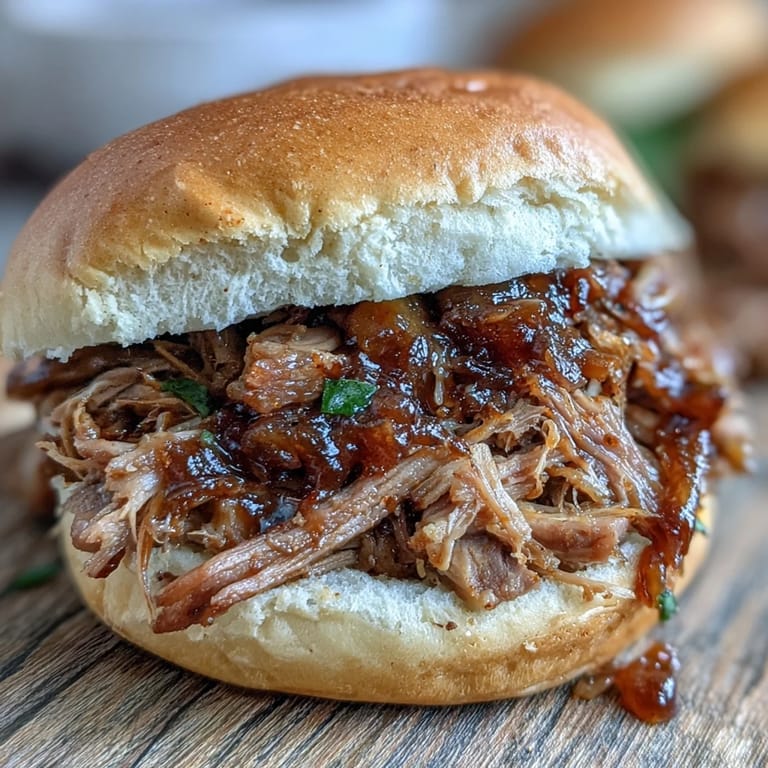
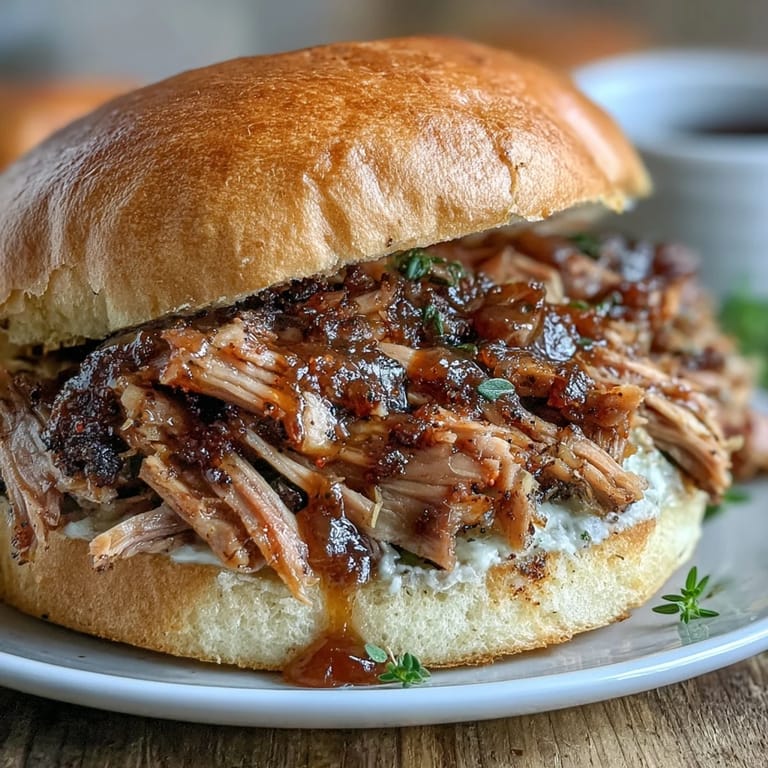
- Pile the pulled pork onto your best buns while it's still warm, and let everyone add their own toppings. Some people want coleslaw for crunch, others want a little extra applesauce for more sweetness, and that's the beauty of this dish.
 Pin
Pin 
There's a moment, about halfway through the cooking time, when your whole house smells like an apple orchard crossed with a barbecue joint, and you realize you've made something that's both comforting and a little bit special. That smell is doing more work than any words could—it's a promise that dinner is going to be worth the wait.
The Apple Cider Question
People often confuse apple cider with apple cider vinegar, and it matters more than you'd think. Real apple cider is fresh-pressed apple juice with a subtle sweetness and depth, usually found in the refrigerated section or seasonal displays in fall. It's not cooked down like vinegar, so it brings this mellow, almost honeyed undertone that vinegar can never achieve. The first time someone substituted vinegar thinking they were the same thing, they called me panicked that the pork tasted too sour. Lesson learned: read your labels carefully because one word makes all the difference.
Making It Your Own
This recipe welcomes experimentation once you understand its bones. I've added a splash of bourbon, tried different spice rubs with allspice and cloves, and even made a version with pear cider instead of apple. The structure stays the same—slow, patient cooking with aromatics and a balanced sauce—but the details are yours to adjust. Think of it as a template rather than a strict instruction, because the best cooking happens when you trust your instincts.
Storage and Leftovers
This dish actually improves after a day or two as the flavors meld and deepen, making it perfect for meal planning or unexpected guests. Refrigerate leftovers in an airtight container for up to three days, or freeze for up to two months—just reheat gently on the stovetop with a splash of water so it doesn't dry out. I've learned to portion it into smaller containers because once you open that container, you'll want a sandwich, then another, then you'll wonder where all the pulled pork went.
- Freeze in flat portions so they thaw quickly and reheat evenly when you're craving it weeks later.
- Save that cooking liquid separately because it's liquid gold for making the best gravy or moistening rice.
- Transform leftovers into nachos, tacos, or rice bowls if sandwich fatigue sets in.
 Pin
Pin This recipe has become my go-to when I want to feed people something that tastes like I've been cooking all day, but really I've just been living my life while the slow cooker does the work. There's something deeply satisfying about that trade-off.
Recipe Questions & Answers
- → Can I use pork loin instead of pork shoulder?
Pork shoulder is recommended because it has more fat and connective tissue, which breaks down during slow cooking to create tender, juicy pulled pork. Pork loin is leaner and may become dry with long cooking times.
- → Can I cook this on high heat to reduce cooking time?
Yes, you can cook on high for 4-5 hours instead of 8 hours on low. However, low and slow cooking typically yields more tender results with better flavor development.
- → What type of apple cider should I use?
Use regular apple cider (the non-alcoholic kind found in the juice aisle), not hard cider or apple cider vinegar. Fresh-pressed apple cider gives the best flavor, but any unsweetened apple cider works well.
- → How do I prevent the pork from being too sweet?
The Dijon mustard and apple cider vinegar balance the sweetness from the applesauce and brown sugar. You can reduce the brown sugar to 2-3 tablespoons if you prefer less sweetness, or add more vinegar for tanginess.
- → Can I make this ahead of time?
Absolutely. The pulled pork actually tastes better the next day as the flavors meld. Store in the cooking liquid in an airtight container in the refrigerator for up to 3 days, or freeze for up to 2 months.
- → What are the best buns to use?
Soft sandwich buns like brioche, potato rolls, or Hawaiian rolls work beautifully. Their slight sweetness complements the applesauce-infused pork. Toasting the buns lightly helps prevent them from becoming soggy.