 Pin
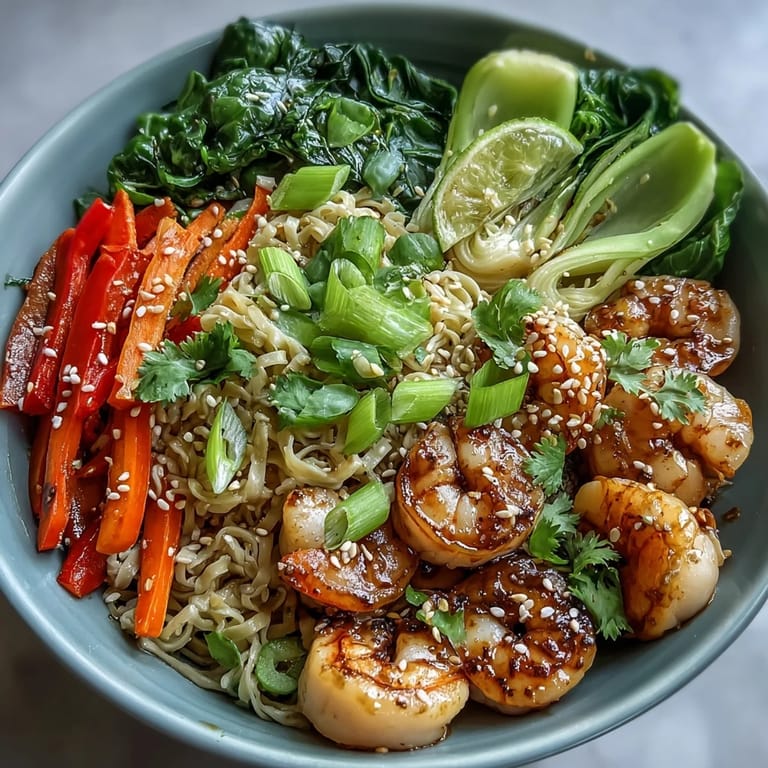
Pin There's something about standing over a simmering pot of broth, watching ginger and garlic bloom in sesame oil, that makes the whole kitchen feel like it's waking up. I started making this noodle bowl on weeknights when I wanted something that felt special but didn't require an hour of prep. The first time I dropped those scallops into the broth and they turned opaque in seconds, I realized how fast really good food can come together. Now it's my go-to when I want to impress without the stress.
I made this for a friend who swore she didn't like scallops. She finished her bowl and asked for the recipe before she even set down her spoon. That's when I learned that perfectly cooked seafood in a fragrant broth can change minds. The lime wedge at the end isn't just garnish, it's the bright note that pulls everything together.
What's for Dinner Tonight? 🤔
Stop stressing. Get 10 fast recipes that actually work on busy nights.
Free. No spam. Just easy meals.
Ingredients
- Large shrimp, peeled and deveined: Look for shrimp that still have a slight curve, they're fresher and sweeter, and they cook evenly in the hot broth without turning rubbery.
- Sea scallops, cleaned and patted dry: Drying them well is key so they don't water down your broth, and they should be opaque and tender after just a couple of minutes.
- Rice noodles or soba noodles: Rice noodles stay silky and soak up the broth beautifully, but soba adds a nutty depth if you're in the mood for something heartier.
- Carrot, julienned: Thin matchsticks cook fast and add a slight sweetness that balances the salty, savory broth.
- Red bell pepper, thinly sliced: It brings color and a mild crunch that doesn't overpower the delicate seafood.
- Snow peas, trimmed: They stay crisp and bright green, adding that satisfying snap with every bite.
- Baby bok choy, halved: The leaves wilt into the broth while the stems keep a little bite, giving you two textures in one vegetable.
- Spring onions, sliced: They're milder than regular onions and add a fresh, sharp finish when sprinkled on top.
- Fresh ginger, grated: This is where the magic starts, ginger in hot oil fills the kitchen with warmth and sets the tone for everything that follows.
- Garlic cloves, minced: Use fresh garlic, the jarred stuff just doesn't have the same punch when you're building a broth from scratch.
- Low sodium chicken or vegetable broth: Starting with low sodium lets you control the saltiness, especially once you add soy and fish sauce.
- Soy sauce: It adds umami and depth, but go easy at first because you can always add more.
- Fish sauce: A little goes a long way, it's the secret ingredient that makes the broth taste complex and layered.
- Sesame oil: Toasted sesame oil has a rich, nutty aroma that makes everything smell like a proper Asian kitchen.
- Rice vinegar: Just a tablespoon brightens the whole pot and keeps the broth from feeling too heavy.
- Chili paste, optional: I add a teaspoon when I want a little heat, but it's completely optional depending on your crowd.
- Fresh cilantro leaves: Some people love it, some people don't, so I always serve it on the side and let everyone choose.
- Toasted sesame seeds: They add a subtle crunch and a nutty finish that makes each bowl feel complete.
- Lime wedges: A squeeze of lime right before eating is the move, it wakes up every flavor in the bowl.
Instructions
- Prepare the noodles:
- Cook your noodles according to the package directions, then drain and rinse them under cold water to stop the cooking. This keeps them from turning mushy when you add the hot broth later.
- Bloom the aromatics:
- Heat sesame oil in a large pot over medium heat, then add the ginger and garlic and stir for about a minute until your kitchen smells incredible. Don't let the garlic brown or it'll turn bitter.
- Build the broth:
- Pour in the broth along with soy sauce, fish sauce, and rice vinegar, then bring it to a gentle simmer. Taste it now and adjust if you want more salt or tang.
- Add the vegetables:
- Toss in the carrots, bell pepper, snow peas, and bok choy, and let them simmer for 3 to 4 minutes until they're just tender but still have some bite. You want color and crunch, not mush.
- Cook the seafood:
- Add the shrimp and scallops to the simmering broth and cook gently for 2 to 3 minutes, just until they turn opaque. Overcooking seafood is the fastest way to ruin this dish, so watch them closely.
- Adjust and taste:
- Give the broth a final taste and stir in chili paste if you want heat. This is your last chance to tweak the seasoning before serving.
- Assemble the bowls:
- Divide the noodles among four bowls, then ladle the hot broth, seafood, and vegetables over the top. The noodles will warm up instantly from the broth.
- Garnish and serve:
- Top each bowl with spring onions, cilantro, sesame seeds, and a lime wedge on the side. Let everyone squeeze their own lime for that final burst of brightness.
 Pin
Pin 
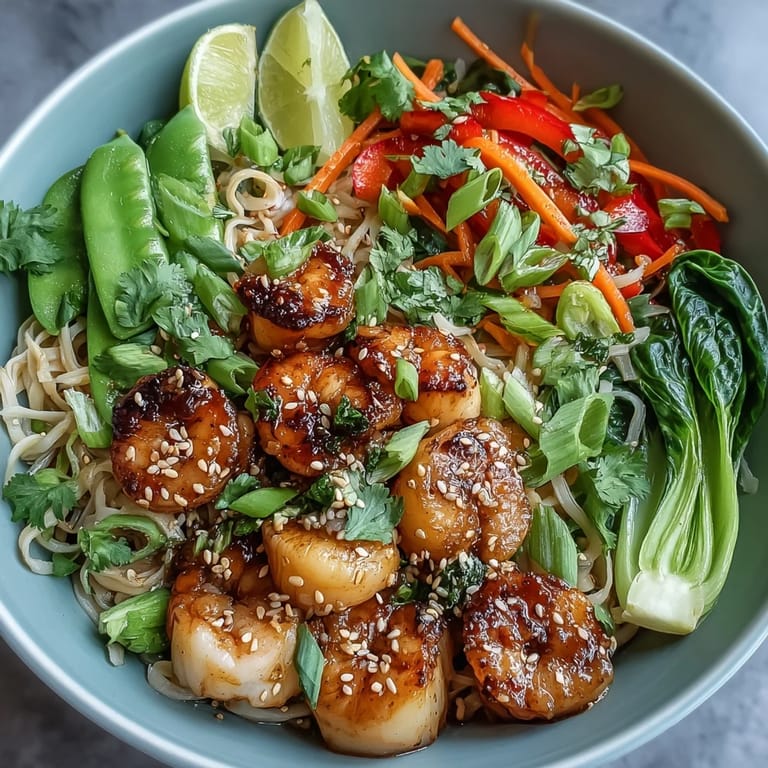
One night I made this for my family and my mom said it reminded her of the noodle stalls we used to visit when I was a kid. I hadn't been trying to recreate anything specific, but somehow the smells and the warmth brought back those memories for her. That's when I realized food doesn't have to be authentic to be meaningful, it just has to be made with care.
Choosing Your Noodles
Rice noodles are traditional and they soak up broth like a dream, but I've also used soba when I want something with more chew and a slight earthiness. Udon works too if you like thick, slippery noodles that feel more substantial. Just make sure whatever you choose is cooked separately and rinsed, because adding raw noodles to the broth will cloud it and throw off your timing.
Getting the Seafood Right
The trick with shrimp and scallops is to add them at the very end when the broth is hot but not boiling aggressively. If the liquid is bubbling too hard, the seafood will toughen up before it has a chance to cook through. I learned this the hard way when I turned my back for two minutes and ended up with rubbery scallops. Now I set a timer and stay close.
Make It Your Own
This bowl is endlessly adaptable once you understand the basic rhythm of aromatics, broth, vegetables, and protein. I've swapped the seafood for tofu, added shiitake mushrooms for more umami, and even tossed in baby corn when I found it at the market. The garnishes matter just as much as what's in the pot, so don't skip the lime, the sesame seeds, or the herbs.
- Try adding a soft boiled egg on top for richness and extra protein.
- If you like more heat, drizzle in a little sriracha or sambal oelek at the table.
- Store leftover broth and noodles separately so the noodles don't bloat overnight.
 Pin
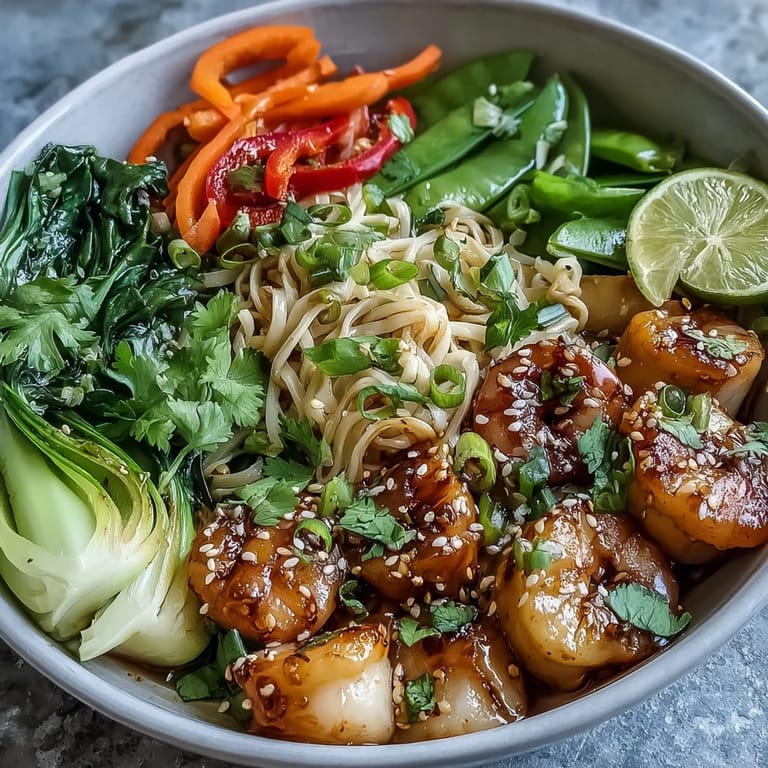
Pin This noodle bowl has become one of those recipes I make when I want to feel like I'm taking care of someone, including myself. It's warm, it's bright, and it never gets old.
Recipe Questions & Answers
- → What type of noodles work best?
Rice noodles and soba noodles both excel in this dish. Rice noodles absorb the savory broth beautifully, while soba adds a nutty flavor and firm texture. Udon or egg noodles make excellent alternatives if you prefer a heartier bite.
- → How do I prevent overcooking the seafood?
Add shrimp and scallops during the final 2-3 minutes of simmering. Watch carefully—the seafood turns opaque and firm quickly. Remove from heat immediately once cooked through to maintain tender texture.
- → Can I make this vegetarian?
Absolutely. Substitute the shrimp and scallops with firm tofu cubes, and use vegetable broth instead of chicken broth. The tofu absorbs the aromatic flavors beautifully while maintaining its structure in the hot broth.
- → How spicy is this dish?
The base version delivers gentle warmth from ginger and garlic. Add chili paste to taste for additional heat. Start with a small amount—you can always serve extra chili paste at the table for those who prefer more spice.
- → What vegetables can I add?
Sliced mushrooms, baby corn, spinach, or bean sprouts complement the existing vegetables wonderfully. Add heartier vegetables like mushrooms with the carrots, but delicate greens like spinach should be added in the final minute of cooking.
- → Can I prepare this ahead?
Prepare vegetables and broth in advance, but cook the seafood and noodles fresh. Reheat the broth with vegetables until simmering, then cook the seafood just before serving. Noodles should be cooked immediately before assembling bowls.