 Pin
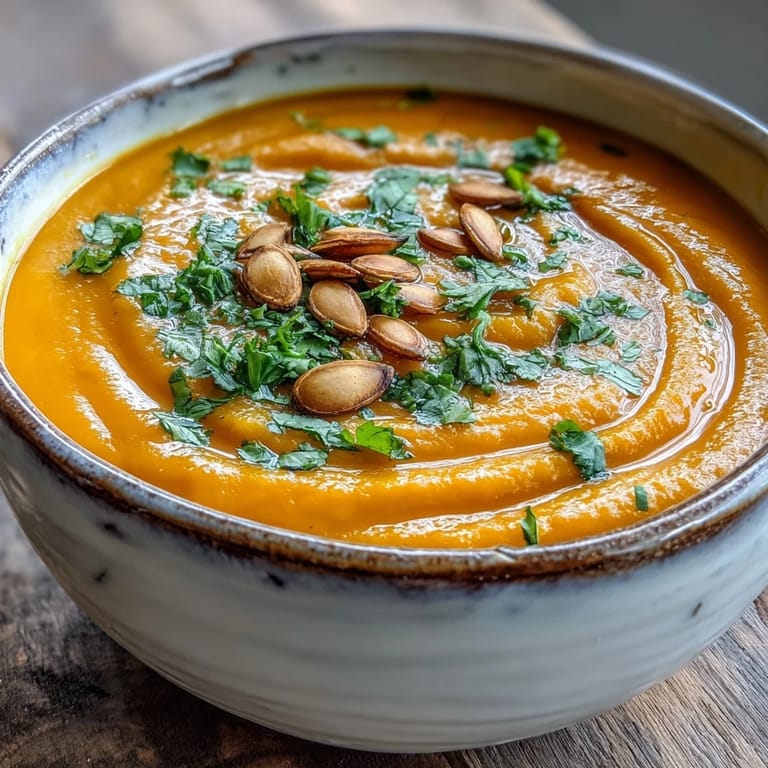
Pin My neighbor handed me a bunch of carrots from her garden one autumn afternoon, and I had to do something more interesting than roasting them. That's when I decided to make a soup, but not just any soup—one where the ginger would warm you from the inside out while the carrots stayed sweet and honest. The kitchen filled with steam and that unmistakable ginger perfume within minutes, and I knew I'd stumbled onto something I'd make again and again.
I served this soup to my sister during her first week at a new job, when she was too exhausted to cook for herself. She ate two bowls quietly, then asked for the recipe, which honestly felt like the highest compliment she could have given me. Now she makes it every Sunday night for meal prep, and somehow that's become our little tradition even though we live miles apart.
What's for Dinner Tonight? 🤔
Stop stressing. Get 10 fast recipes that actually work on busy nights.
Free. No spam. Just easy meals.
Ingredients
- Olive oil: Use a good quality one here—it's one of the few ingredients that really matters, and it carries flavor in a way cheap oil never will.
- Onion and garlic: These are your flavor foundation, and taking time to dice them properly means they'll cook evenly and build that sweet, mellow base.
- Fresh carrots: The star of the show, so pick ones that feel firm and look vibrant; pale carrots sometimes lack that natural sweetness you're counting on.
- Fresh ginger: Never use powdered ginger here—the fresh stuff gives you a clean heat and brightness that powder simply can't match, and you'll taste the difference immediately.
- Vegetable broth: Check the label for sodium content; some broths are saltier than others, which changes everything when you're building seasoning from scratch.
- Coconut milk: Optional but transformative, it adds a subtle richness that makes the soup feel more luxurious without tasting overtly coconutty.
- Lemon juice: This is your secret weapon—it wakes up all the other flavors and prevents the soup from tasting one-dimensional or flat.
- Sea salt and black pepper: Taste as you go; you're looking for balance, not boldness.
Instructions
- Build your flavor base:
- Heat the oil over medium heat and add your diced onion, letting it soften for 3 to 4 minutes until the edges turn translucent and it smells sweet. You'll know it's ready when your kitchen smells inviting and the onion pieces are no longer harsh-looking.
- Wake up the aromatics:
- Stir in the garlic and ginger and let them hang out for just a minute—you want that fragrance to bloom, but not brown or burn. This is your chance to appreciate how good fresh ginger smells before it becomes part of something bigger.
- Toast the carrots lightly:
- Add your sliced carrots and give them 2 minutes in the hot oil with everything else, stirring gently. This tiny step deepens their flavor and makes the finished soup taste less watery.
- Simmer until tender:
- Pour in your broth, bring it to a boil, then dial back the heat and cover the pot, letting everything cook for 20 to 25 minutes. You'll know the carrots are ready when a fork goes through them like butter.
- Puree into velvet:
- Use an immersion blender right in the pot, moving it around until you have a smooth, creamy texture with no gritty bits. If you're using a countertop blender, work in batches and be careful with the hot liquid.
- Season and finish:
- Stir in your coconut milk if you're using it, add the lemon juice, salt, and pepper, then let it warm gently for a few minutes. Taste a small spoonful and adjust—this is the moment to make it yours.
- Serve with intention:
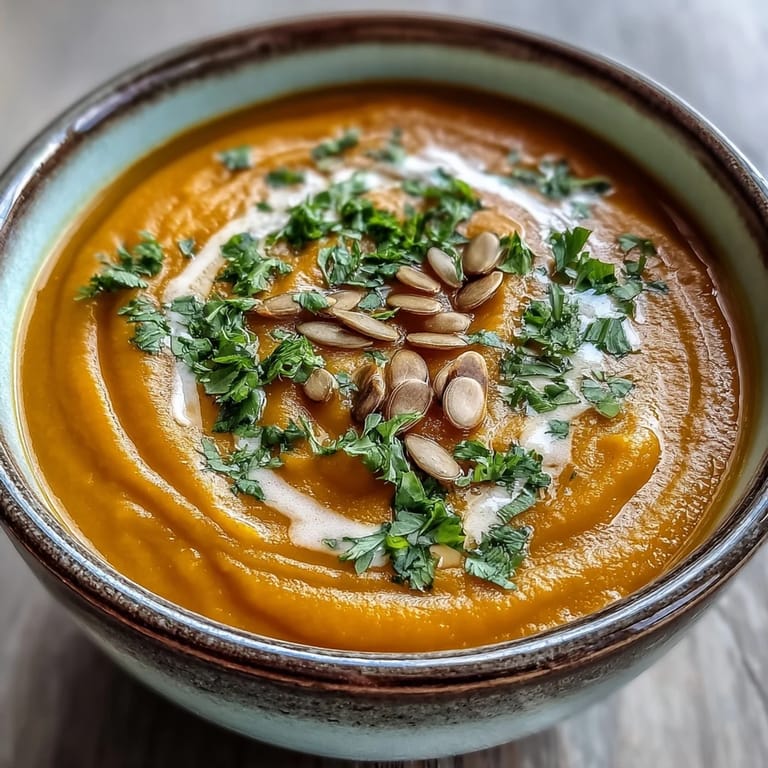
- Ladle it into bowls and top with whatever makes you happy: a drizzle of extra coconut milk, fresh herbs, toasted seeds, or nothing at all if you want to taste the soup in its purest form.
 Pin
Pin 
My daughter once insisted on adding toasted pumpkin seeds to her bowl, and what started as a picky kid's attempt to make it "her own" actually turned it into something special. Now that's how we always eat it together, and I love that she's taken ownership of the recipe even though she didn't create it.
Making It Your Own
The beauty of this soup is that it's a blank canvas for whatever spices call to you. I've added a pinch of cumin on days when I wanted something earthier, stirred in curry powder when I was chasing warmth, and even tried cardamom once just to see what would happen. Every change taught me something about flavor, and none of them ruined the soup—they just made it different.
Storage and Reheating
This soup actually tastes better the next day because the flavors have more time to mingle and settle. It keeps in the fridge for up to four days in an airtight container, and it freezes beautifully for up to three months if you leave out the coconut milk and add it fresh when you reheat. Just thaw it overnight in the fridge and warm it gently on the stovetop, tasting as you go to make sure the seasoning is still on point.
When You're Looking for Something More
This soup is wonderful on its own, but it also plays well with others—serve it as the opening act at dinner, pair it with crusty bread and good cheese for a simple lunch, or use it as a base for something more elaborate. I've been known to top it with crispy chickpeas for crunch, stir in some cooked grains to make it heartier, or even add a protein like shredded chicken or beans when I need it to be more of a full meal.
- Crusty bread is not just a side—it's a delivery system, so choose something with good texture that won't get soggy instantly.
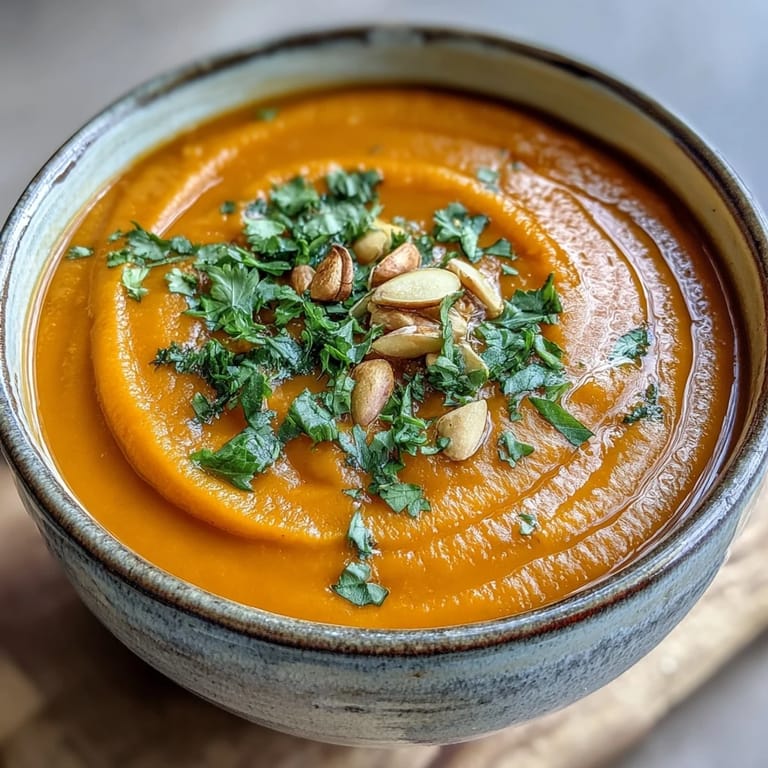
- Fresh herbs like cilantro or parsley scattered on top add brightness and make even a simple bowl feel finished and thoughtful.
- If you're cooking for people with dietary restrictions, this soup is already vegetarian and gluten-free, so it works for almost everyone.
 Pin
Pin This soup has become something I reach for whenever I need comfort or want to feed someone I care about, and that's probably the truest test of a recipe. It asks very little of you and gives back warmth, nourishment, and the quiet satisfaction of having made something good with your own hands.
Recipe Questions & Answers
- → Can I make this soup ahead of time?
Absolutely. This soup actually develops deeper flavors when made ahead. Store in an airtight container in the refrigerator for up to 4 days. Reheat gently on the stove, adding a splash of broth or coconut milk if it thickens too much.
- → Is coconut milk necessary?
Not at all. Coconut milk adds richness and creaminess, but you can substitute with heavy cream for dairy eaters or simply omit it for a lighter, still delicious version. The soup remains velvety smooth without it.
- → Can I freeze this soup?
Yes, this soup freezes beautifully. Let it cool completely before transferring to freezer-safe containers. It will keep well for up to 3 months. Thaw overnight in the refrigerator and reheat gently, stirring occasionally.
- → What can I serve with carrot ginger soup?
Crusty bread makes an excellent accompaniment for dipping. A fresh green salad with vinaigrette balances the sweetness. You could also serve with roasted vegetables or a light grain bowl for a more substantial meal.
- → How do I adjust the ginger flavor?
Start with the recommended amount and taste after blending. If you prefer more heat, add fresh ginger in 1-teaspoon increments. For a milder version, reduce to 1 tablespoon. The flavor mellows slightly during cooking.
- → What blender works best?
An immersion blender is convenient as you can puree directly in the pot. A countertop blender creates an even smoother texture. If using a standard blender, work in batches and be careful with hot liquid—vent the lid slightly to release steam.