 Pin
Pin My sister called me three weeks before her daughter's First Communion with a request that made my heart skip—would I bake the cake? Not just any cake, but something that would sit proudly on the church hall table, something elegant enough to mark the occasion. I'd never worked with fondant before, but standing in my kitchen that evening, measuring flour and softening butter, I felt the weight of doing something right for someone I loved. The cake needed to be moist, tender, and beautiful enough to deserve pearl-white frosting and delicate decorations that would catch the light during the celebration.
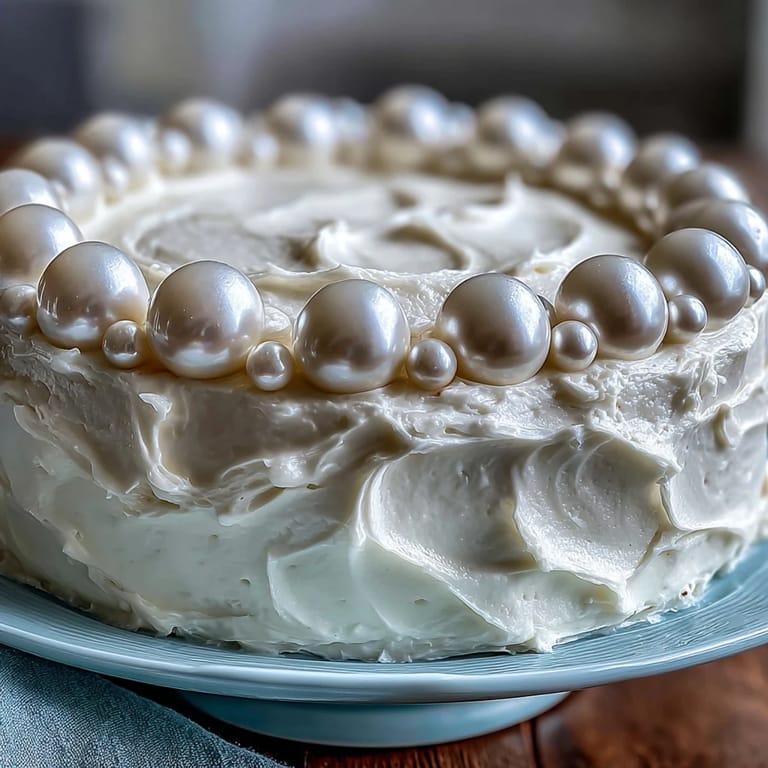
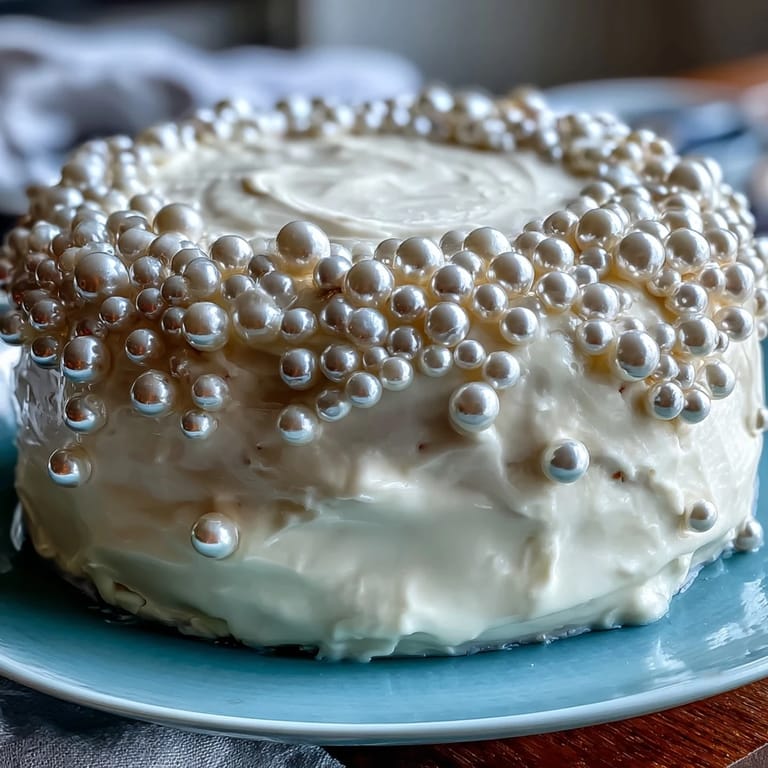
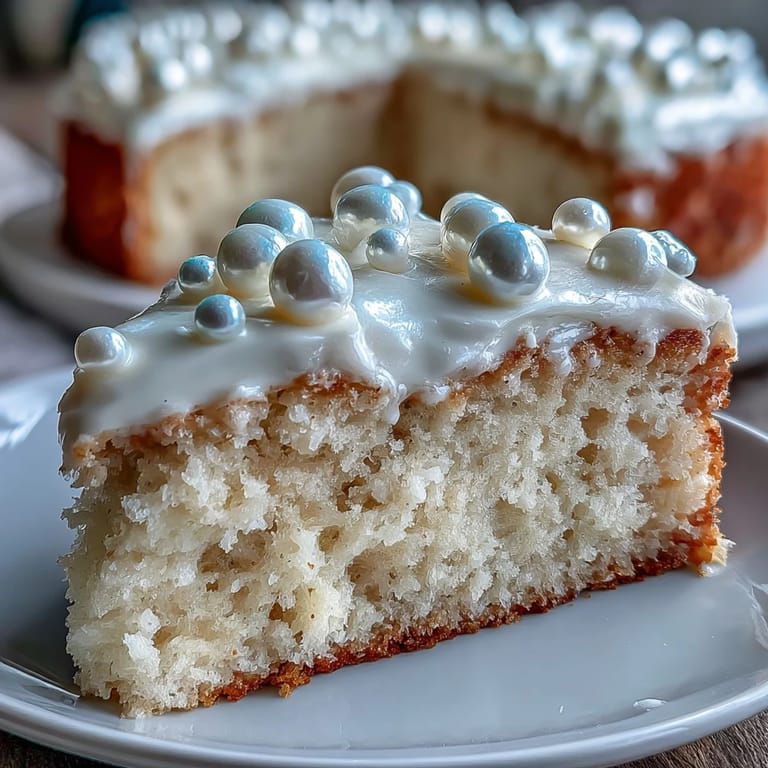
I'll never forget my niece walking into that parish hall and gasping when she saw the cake. Her friends crowded around it, mesmerized by how the pearl luster dust caught the afternoon light streaming through the stained glass windows. One girl whispered, "Is that real?" and my sister squeezed my arm. In that moment, I understood that this cake had become part of her memory of a sacred day, and that's something you can't rush or fake.
What's for Dinner Tonight? 🤔
Stop stressing. Get 10 fast recipes that actually work on busy nights.
Free. No spam. Just easy meals.
Ingredients
- All-purpose flour: Use 375 grams by weight if you have a scale—it prevents the dense crumb that comes from accidentally packing flour into your measuring cup.
- Baking powder: This is your lift and airiness; don't skip sifting the dry ingredients together, or you'll have pockets without rise.
- Granulated sugar and softened butter: Creaming these together for a full three minutes creates the tender crumb that makes this cake worth eating; rushing this step shows in the texture.
- Eggs at room temperature: Cold eggs won't emulsify properly with the butter, leaving you with a grainy batter that bakes up dense and disappointing.
- Vanilla extract: Pure vanilla makes a noticeable difference in flavor depth; imitation will taste thin against the buttercream.
- Whole milk: The fat content keeps the cake moist longer than low-fat or skim milk ever could.
- Powdered sugar for buttercream: Sift it before using so you don't end up with lumps that no amount of beating will dissolve.
- White ready-to-roll fondant: Buy from a baking supply store or quality grocery store; some brands are notably smoother and easier to work with than others, so read reviews if you're uncertain.
- Pearl luster dust: This creates that elegant shimmer; it's completely different from regular edible glitter and worth seeking out for the sophistication it adds.
- Edible pearls and sugar pearls: These are optional but absolutely worth the small investment—they're what make this cake look like it was made for a special occasion.
Instructions
- Set your stage and preheat:
- Turn on your oven to 350°F and let it come to temperature while you prepare your pan—grease it well and line it with parchment paper so your cake releases easily. This 12 by 18-inch sheet pan is the perfect canvas for a cake that feeds a crowd without being too tall to frost smoothly.
- Combine your dry ingredients:
- Whisk flour, baking powder, and salt together in a medium bowl, breaking up any lumps as you go. Set this aside so it's ready when you need it.
- Cream butter and sugar until fluffy:
- In your mixer bowl, beat softened butter and granulated sugar together for about three minutes—you want it pale, light, and noticeably fluffier than when you started. This step is where the tender crumb begins.
- Add eggs one at a time:
- Drop in each egg and beat well after each addition before adding the next one; this ensures they emulsify properly and create a smooth batter. Finish with the vanilla extract.
- Alternate flour and milk:
- Add one third of the flour mixture, beat gently until just combined, then add half the milk, then another third of flour, then the rest of the milk, and finally the last third of flour. Stop mixing as soon as you don't see dry flour—overmixing develops gluten and makes the cake tough, which is the opposite of what you want here.
- Bake with confidence:
- Pour the batter into your prepared pan and smooth the top with a spatula. Bake for 30 to 35 minutes until a toothpick inserted in the center comes out clean or with just a few moist crumbs clinging to it.
- Cool with patience:
- Let the cake rest in the pan for 10 minutes—this prevents it from breaking—then turn it out onto a wire rack and let it cool completely. This usually takes an hour or two, but you can speed things along by putting it somewhere cool.
- Make your buttercream foundation:
- Beat softened butter until creamy, then gradually add sifted powdered sugar, milk, vanilla, and a pinch of salt. Keep beating until it's fluffy and spreadable, about two more minutes.
- Frost the cooled cake:
- Spread a thin, even layer of buttercream over the entire surface of your cooled cake, including the sides. This gives your fondant something to grip and prevents sliding or bunching.
- Roll out fondant smoothly:
- Dust your work surface lightly with powdered sugar and roll your fondant to about one eighth inch thickness. The key is working gently and turning it often so it doesn't stick or tear.
- Drape and smooth the fondant:
- Lay the fondant over your cake and gently smooth it with your hands or a fondant smoother, working out air bubbles as you go. Trim away excess fondant with a sharp knife or fondant trimmer.
- Add shimmer and shine:
- Dust the surface with pearl luster dust using a dry food-safe brush, sweeping gently across the top and sides. For extra shine, you can lightly brush with a mixture of corn syrup and water, but go easy—a little goes a long way.
- Decorate with intention:
- Brush small spots with water where you want edible pearls or sugar pearls to stick, then press them gently into place. You might arrange them in a cross, a chalice, or a border—whatever speaks to the occasion.
- Let it set:
- Give the cake 30 minutes at room temperature before serving so the fondant firms up properly and everything holds together beautifully.
 Pin
Pin 
Weeks after the Communion, my sister sent me a photo from their family album—my niece holding a small slice of cake at her celebration, joy written all over her face. That's when I realized this recipe isn't just about technique or pretty decoration; it's about showing up for the people we love with something made by our own hands, imperfect as they might be.
Why Fondant Matters for This Occasion
Fondant transforms a homemade cake into something that photographs beautifully and feels ceremonial, which is exactly what you need for a First Communion. Unlike buttercream frosting, which can look rustic and casual, fondant creates clean lines and a polished surface that catches light and attention. It's also surprisingly forgiving once you get the hang of it—small imperfections smooth out, and any wobbles or wrinkles disappear under a layer of pearl dust.
The Beauty of Baking Ahead
One of my favorite discoveries while testing this recipe was that you can bake the cake a full day before the party, wrap it tightly, and decorate it the morning of your event. This completely eliminates the stress of managing a hot cake while also trying to frost and fondant at the last minute. I've learned that doing things in stages—baking one day, frosting the next, decorating the day of—creates space to enjoy the process instead of rushing through it.
Making It Your Own
This cake is elegant as written, but don't feel locked into pearls and white fondant if that's not your vision. You can tint the fondant pale pink or soft blue, use different edible decorations, or even add fresh flowers between the cake and fondant layer for a living, breathing centerpiece. The structure stays the same; the personality is entirely yours to create.
- If you're nervous about working with fondant, practice rolling and draping it on a small cake or even a cardboard box first—it builds confidence without the pressure.
- Fresh berries or a fruit coulis served alongside each slice adds brightness and cuts the richness of the frosting beautifully.
- Moscato or Riesling pairs wonderfully with this cake if you're celebrating with adults.
 Pin
Pin This cake has a way of becoming more than just dessert—it becomes a memory, a marker of a day that mattered. Make it with someone you love, or make it for them, and watch how something so simple as flour, butter, and sugar, dressed up in pearl white, can bring real joy to a table.
Recipe Questions & Answers
- → How do I achieve smooth pearl fondant covering?
Roll the fondant to about 1/8 inch thickness on a surface dusted lightly with powdered sugar. Drape it carefully over a thin buttercream layer, then smooth evenly using a fondant smoother or your hands.
- → Can I prepare the cake in advance?
Yes, bake the sheet cake one day ahead and wrap it tightly before covering with fondant. This helps retain freshness and simplifies decorating on the day of your event.
- → What are good flavor substitutions?
For a lighter taste, try replacing half the vanilla extract with almond extract. This adds a subtle nutty note without overpowering the cake.
- → How can I add extra shine to the decoration?
Lightly brush the fondant with a mixture of light corn syrup and water after adding edible pearls to give a soft glossy finish.
- → What baking pan is recommended for this cake?
Use a 12x18 inch half-sheet pan lined with parchment paper for even baking and easy removal.
- → Can this dessert accommodate dietary preferences?
The cake is vegetarian and contains common allergens such as wheat, eggs, and dairy. Check decorated fondant packaging for potential nut traces.