
 Pin
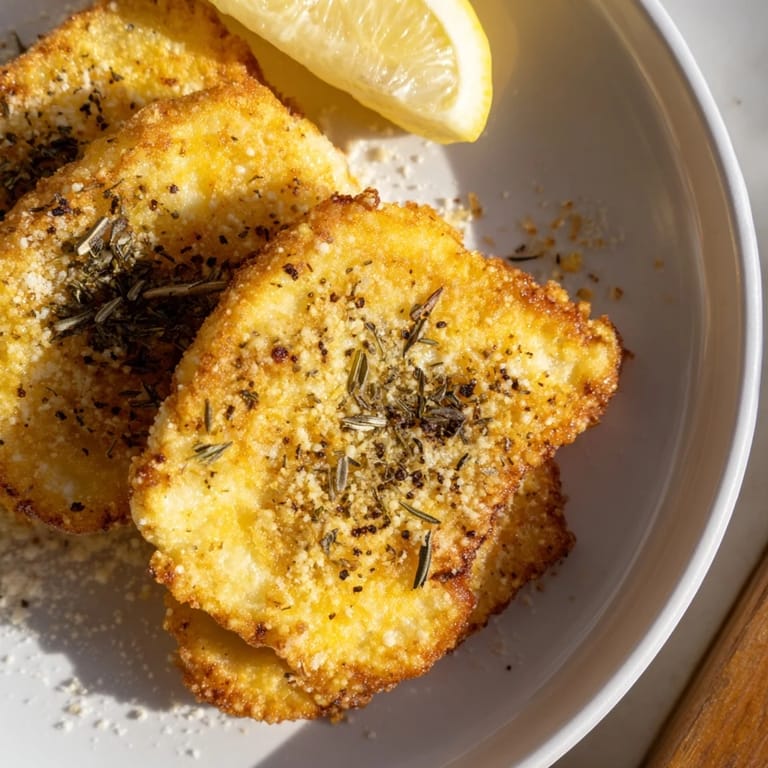
Pin The first time I understood why Greeks shout "Opa!" when frying saganaki, I was standing in a tiny kitchen in Athens watching my neighbor flip golden cheese with the kind of confidence that only comes from doing something a thousand times. The cheese hits the pan with a theatrical sizzle, and suddenly you're not just cooking—you're performing. It's one of those dishes that feels impossibly simple until you taste it, and then you realize simplicity was the whole point.
I made this for my brother one evening when he stopped by unannounced, and watching him eat three pieces in a row without saying a word told me everything I needed to know. He just kept reaching for more, squeezing lemon over each hot slice like it was the most natural thing in the world. That's when it clicked—saganaki isn't fancy food, it's generous food, the kind you make when you want someone to feel welcome.
What's for Dinner Tonight? 🤔
Stop stressing. Get 10 fast recipes that actually work on busy nights.
Free. No spam. Just easy meals.
Ingredients
- Firm Greek cheese (kasseri, kefalotyri, or halloumi), 200g sliced 1 cm thick: The cheese needs enough structure to hold its shape in the pan, and the thickness matters more than you'd think—too thin and it disappears, too thick and the outside burns before the inside melts.
- All-purpose flour (or gluten-free), 2 tbsp: This isn't about building a heavy coating, just enough flour to help the cheese brown evenly and create that crucial crispy exterior.
- Olive oil, 2 tbsp: Use your good oil here since there are so few ingredients—it's not just cooking medium, it's flavor.
- Lemon wedges and dried oregano to serve: The acidity and herbs aren't optional extras, they're what make the cheese sing instead of just sitting there.
Instructions
- Prepare your cheese:
- Pat each slice completely dry with paper towels—any moisture will cause oil splattering and prevent proper browning. This small step is the difference between crispy and steamed cheese.
- Coat lightly in flour:
- Dredge each slice and shake off the excess until just a whisper of flour clings to the surface. You want a kiss of coating, not an armor.
- Heat your oil:
- Let the oil get genuinely hot over medium-high heat, but not smoking—it should shimmer and ripple immediately when you tilt the pan. This is your signal that it's ready.
- Fry until golden:
- Listen for the sizzle when cheese hits the pan, then give it 1–2 minutes per side without moving it around. You'll see the edges turn golden first, then the whole thing catches fire with color.
- Drain and plate:
- Transfer to paper towels for just a moment to catch any excess oil, then move to your serving plate while still steaming hot. Speed matters here—saganaki is best eaten immediately.
- Season and serve:
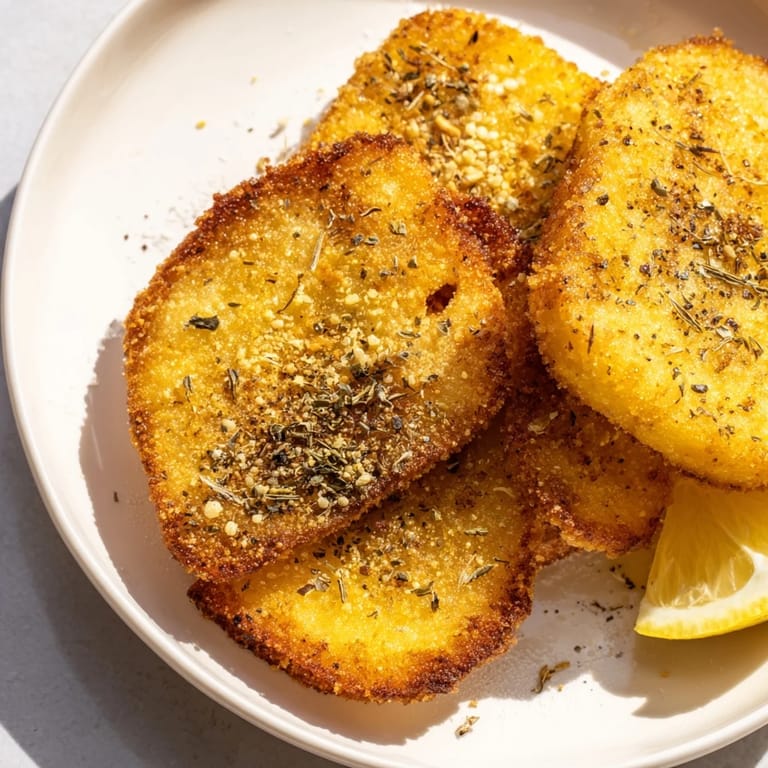
- Sprinkle with oregano and black pepper, then set down the plate with the lemon wedges right beside it so people know what to do. The ritual of squeezing fresh lemon onto hot cheese is half the experience.
 Pin
Pin 
Years ago my mother served this at a family gathering alongside nothing fancy, just bread and wine, and somehow it became the whole story of the evening. People kept coming back to the kitchen asking if there were more, not because they were still hungry but because eating warm, crispy cheese with your hands felt like a small rebellion against eating properly.
Cheese Selection Matters
Kasseri and kefalotyri are traditional, bred over centuries to fry beautifully without immediately melting into an oil puddle, but halloumi works brilliantly if that's what you can find. Each has a slightly different personality—kefalotyri is a touch more aggressive and flavorful, kasseri is gentler—so if you get a chance to try both, you'll start understanding which one you prefer. The point is that not every cheese can handle the heat this way, so don't substitute with something soft or you'll end up with warm cheese soup in a pan.
Timing and Temperature
This dish is a masterclass in respecting your heat source and not overthinking things. The entire process happens in maybe 10 minutes from cold pan to eating, and trying to stretch it out or prepare things too far in advance works against you. Have everything ready before the oil heats because once you start, you're committed to moving fast and with intention.
Serving and Pairing
Serve this as part of a mezze platter alongside olives, bread, and dips, or give it the spotlight as a simple appetizer when you want to impress without appearing to try. A crisp white wine like Assyrtiko is the natural match, but honestly, cold beer works just as well and sometimes better. The real magic is eating it hot, immediately, with your hands, surrounded by people who understand that some foods are about the experience as much as the flavor.
- Have everything plated and ready because saganaki waits for no one once it comes off the heat.
- If you're cooking for a crowd, fry in batches rather than overcrowding the pan, which drops the oil temperature and ruins the texture.
- Leftover cheese is rare, but if it happens, eat it cold the next morning—it's different but still pretty good.
 Pin
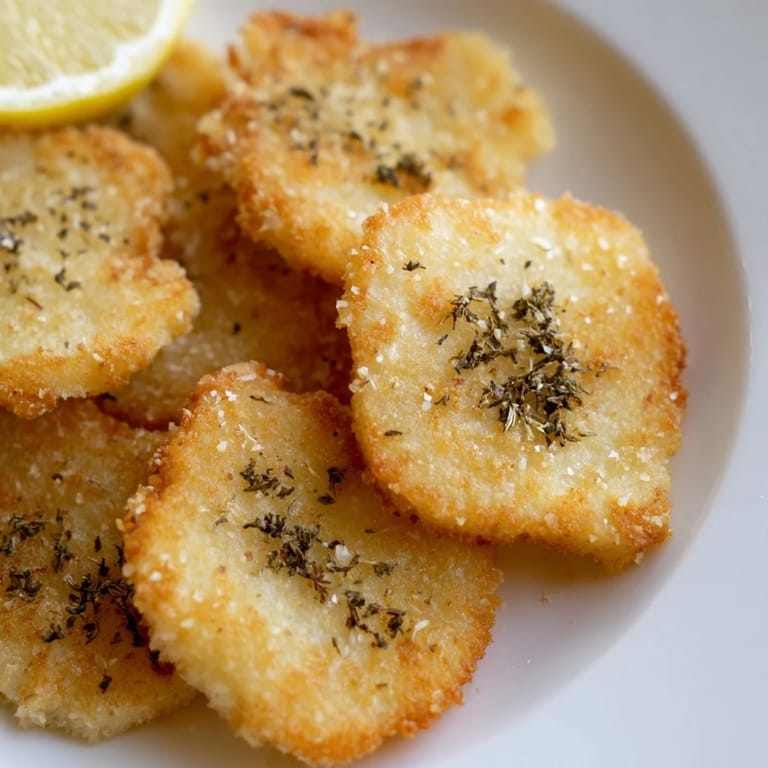
Pin This is the kind of dish that reminds you why cooking matters: five ingredients, ten minutes, and somehow you've created something that tastes like celebration. Make it when you want to prove to yourself or someone else that simple food, made with attention, is all you ever really need.
Recipe Questions & Answers
- → What types of cheese work best for saganaki?
Firm Greek cheeses like kasseri, kefalotyri, halloumi, or graviera provide the ideal texture and flavor for frying to a crisp exterior while remaining soft inside.
- → How do I achieve a crispy crust on the cheese?
Lightly coat the cheese slices in flour and fry them in hot olive oil until golden on both sides. This creates a crispy, flavorful crust.
- → Can I make this dish gluten-free?
Yes, replace the all-purpose flour with gluten-free flour to accommodate gluten-free diets without compromising texture.
- → What is the recommended serving suggestion?
Serve immediately with fresh lemon wedges to squeeze over and sprinkle with dried oregano and freshly cracked black pepper for a burst of flavor.
- → What dishes or drinks pair well with this cheese preparation?
This golden fried cheese pairs wonderfully with crusty bread, mezze platters, and crisp white wines such as Assyrtiko to complement its savory profile.