 Pin
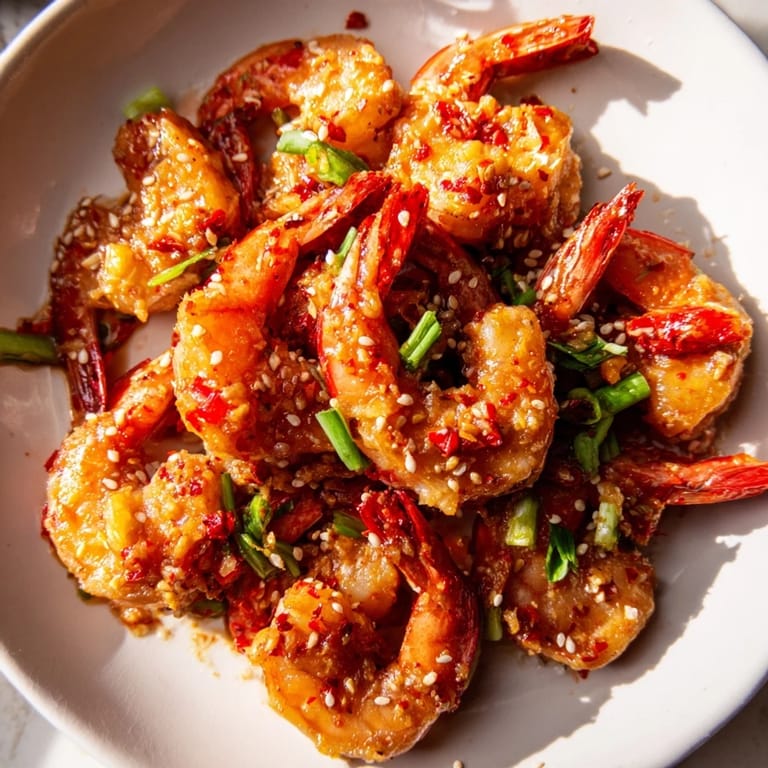
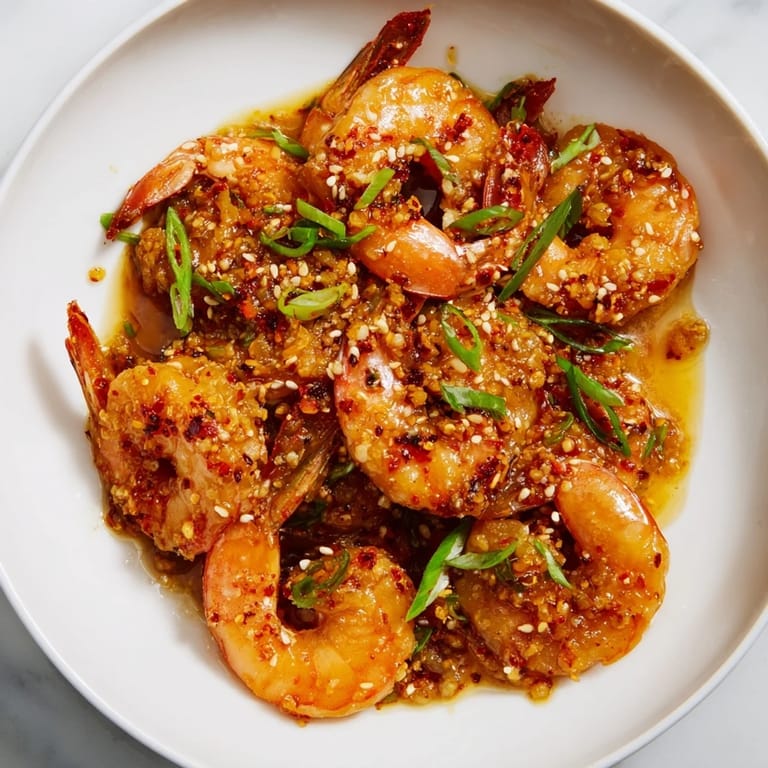
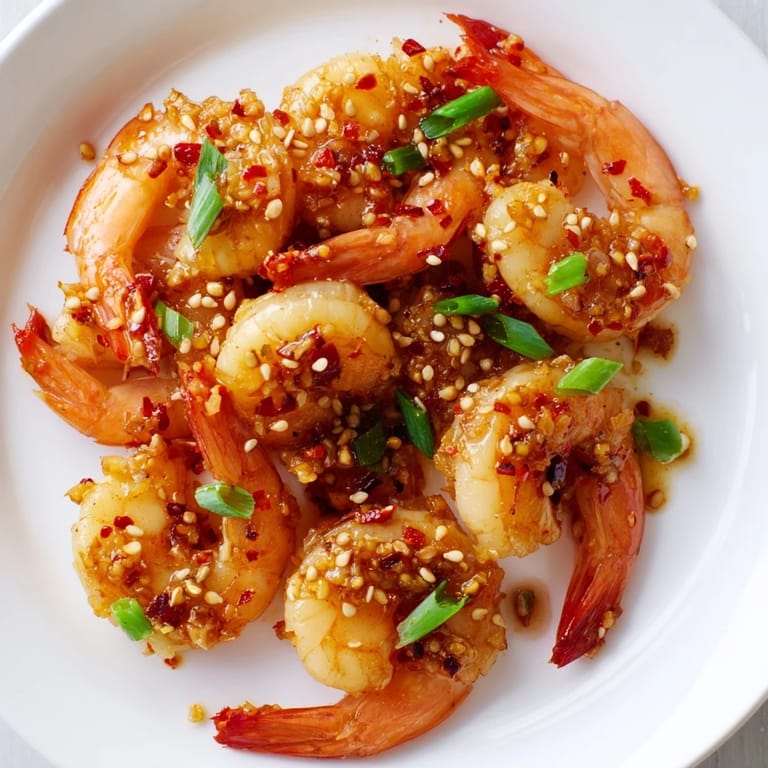
Pin I discovered this dish at 11 PM on a random weeknight when my pantry felt empty and my appetite felt demanding. Shrimp, butter, gochugaru—three things I always keep on hand—suddenly became the answer to everything. That first golden-brown shrimp, glistening in its spicy butter pool, tasted like a restaurant secret I'd somehow cracked at home. It became my emergency-dinner superpower, the kind of meal that tastes fancier than the 18 minutes it actually takes.
My friend Mark came over stressed about a failed presentation, and I threw this together while he sat at the counter. By the time he took his first bite, I watched his shoulders drop. He closed his eyes mid-chew, and something shifted in the room—suddenly the day didn't matter as much. Food that makes people pause like that stays with you.
What's for Dinner Tonight? 🤔
Stop stressing. Get 10 fast recipes that actually work on busy nights.
Free. No spam. Just easy meals.
Ingredients
- Large shrimp (500 g / 1 lb), peeled and deveined: This is where quality matters most—fresh shrimp with a subtle ocean smell, not that ammonia funk, makes all the difference in the final bite.
- Unsalted butter (3 tbsp): The foundation of everything here, creating that silky coating that holds the sauce together like glue.
- Garlic (4 cloves), minced: Don't use pre-minced garlic from a jar; fresh cloves break down and release their magic into the butter in a way jarred garlic just can't match.
- Gochugaru, Korean chili flakes (1 tbsp): This isn't spicy in a painful way—it's warm and layered, adding depth rather than just heat; if you can't find it, a mix of regular red pepper flakes and smoked paprika works in a pinch.
- Soy sauce (1 tbsp): Use tamari or coconut aminos if you need gluten-free, because the umami here is essential to the story.
- Honey (1 tbsp): A whisper of sweetness that balances the heat and salt, almost undetectable but its absence would be felt immediately.
- Sesame oil (1 tsp): A small amount goes so far—too much overwhelms, but this amount hits that perfect toasty note that ties everything to its Korean roots.
- Scallions (2 tbsp), chopped: The fresh green bite at the end wakes everything up and adds color that makes this look like it came from somewhere special.
- Toasted sesame seeds (1 tsp): A final crunch and nuttiness that elevates the dish from simple to considered.
- Lemon wedges, optional: Keep these within reach—they're the safety valve if the heat ever feels like too much.
Instructions
- Dry your shrimp like you mean it:
- Pat each one with paper towels until there's barely any moisture left. This single step is what gets you that golden sear instead of steam; it's the difference between sautéed and stewed.
- Melt butter and wake up the garlic:
- Over medium heat, let the butter soften and coat the pan, then add your minced garlic. Stir constantly for about a minute—you're looking for that moment when the kitchen smells absolutely undeniable but the garlic is still pale. Stop just before it turns golden; burnt garlic tastes bitter and ruins everything.
- Build your sauce in stages:
- Add the gochugaru, soy sauce, honey, and sesame oil all at once and let them cook together for 30 seconds. The heat helps everything dissolve and marry into one unified, fragrant sauce.
- Sear the shrimp fast and don't fuss:
- Lay them in a single layer and leave them alone for 2 to 3 minutes per side. Flipping too early means no crust; the longer you can resist touching them, the better the color and texture. You're done when they've turned that opaque coral-pink color throughout.
- Coat and serve immediately:
- Toss everything together to coat those shrimp completely in sauce, transfer to a warm serving platter, and finish with scallions and sesame seeds while everything's still hot. This is a dish that loses something the moment it cools.
 Pin
Pin 
There's something about butter and garlic hitting a hot pan that makes everyone in your kitchen stop what they're doing and pay attention. My mom once said that smell is proof of love, and she might have been right—this dish announces itself before anyone even sits down to eat.
The Heat Sweet Balance
Gochugaru brings warmth and complexity that regular hot sauce can't touch, but it plays nice with honey's sweetness. The two balance each other on your tongue, neither one overshadowing the other. If you find yourself reaching for the lemon wedges more than twice, add more honey next time—the sweetness is what lets the spice shine without burning.
Serving Creativity
I've served this over jasmine rice, tossed into cold noodles for a quick lunch, and spooned onto toast for something unexpectedly elegant. The sauce is too good to waste, so whatever you pair it with should be something that welcomes being soaked in garlic butter. Even just serving it in a shallow bowl with crusty bread for dipping turns it into something you'll linger over.
Make It Your Own
This recipe is a template, not a rule, and it loves being tweaked. The core—shrimp, butter, gochugaru, garlic—is sacred, but everything else can shift with what you have or what you're craving. I've added everything from ginger to soy-marinated mushrooms to a splash of rice vinegar when the mood struck, and the dish always comes out tasting like itself.
- For extra depth, add a pinch of ginger or garlic powder along with the fresh garlic.
- A touch of rice vinegar or lime juice at the end brightens everything if it feels too rich.
- If you're cooking for someone who loves vegetables, quick-sautéed mushrooms or snap peas work seamlessly in the same pan.
 Pin
Pin This dish exists in that perfect space between impressive and achievable—you look like you know what you're doing, but really you just got lucky with three good ingredients and 18 minutes. That's the kind of magic worth returning to.
Recipe Questions & Answers
- → What type of shrimp is best for this dish?
Large peeled and deveined shrimp work best to absorb the flavors and ensure quick, even cooking.
- → Can I adjust the spice level of this dish?
Yes, increasing the Korean chili flakes or adding red pepper flakes will enhance the heat, while reducing them will mellow the spice.
- → What sides complement this garlic butter shrimp?
Steamed rice, noodles, or a crisp green salad pair beautifully, balancing the rich and spicy notes.
- → Is there a substitute for honey in the sauce?
Brown sugar or maple syrup can be used to add a similar touch of sweetness without changing the flavor profile significantly.
- → How should leftovers be stored?
Store in an airtight container in the refrigerator and consume within 2 days for best taste and texture.