 Pin
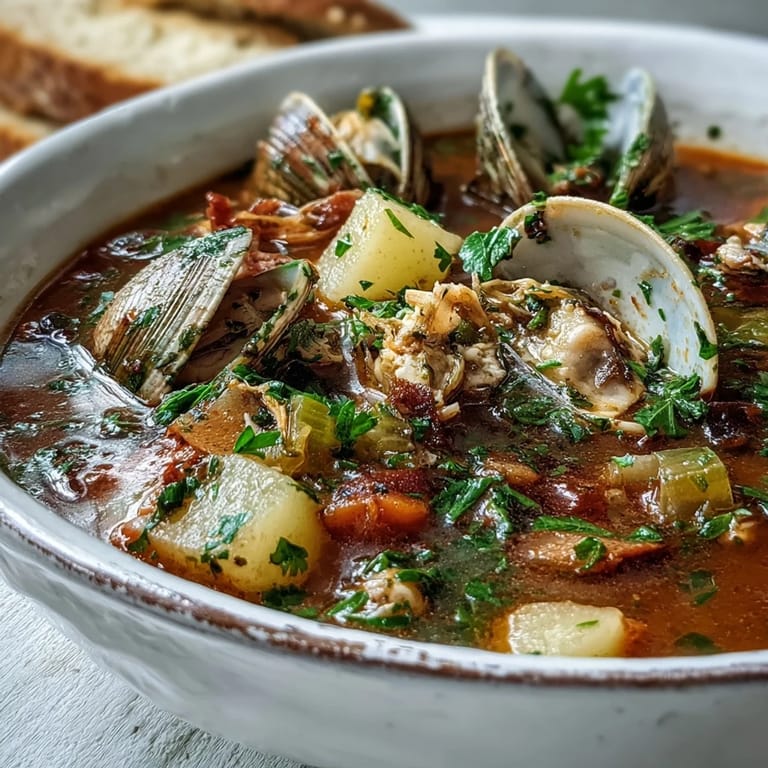
Pin There's something about the briny smell of clam juice hitting hot oil that takes me straight back to a Labor Day weekend when my neighbor dropped off a bucket of littlenecks from his morning dive. I'd never made Manhattan clam chowder before, only ever had the creamy New England kind, and I was skeptical about tomatoes in clam soup until that first spoonful—the acidity brightened everything, made the sweetness of the clams sing louder. Now I can't imagine it any other way.
I made this for my in-laws one cold October evening, right when the weather finally turned and everyone wanted something warm and comforting. My mother-in-law, who's a serious cook, asked for a second bowl before I'd even finished serving the first round—that quiet satisfaction said everything I needed to hear.
What's for Dinner Tonight? 🤔
Stop stressing. Get 10 fast recipes that actually work on busy nights.
Free. No spam. Just easy meals.
Ingredients
- Fresh clams (2 pounds littlenecks) or canned clams (3 cups): Fresh clams give you that incredible briny liquid gold when steamed, but canned clams are a totally valid shortcut and honestly save you the scrubbing hassle.
- Clam juice (3 cups): This is your umami backbone—never skip it or dilute it too much, as it's what makes the soup taste like the ocean.
- Diced tomatoes (28 ounces canned): Canned tomatoes are more reliable than fresh here because they're packed at peak ripeness and give you consistent flavor year-round.
- Olive oil (2 tablespoons): Use good quality oil since you're tasting it raw when you sauté the vegetables.
- Onion, celery, carrots, bell pepper: This aromatic base is your flavor foundation—don't rush the sauté, as it deepens everything that comes after.
- Yukon gold potatoes (3 medium): These hold their shape better than russets and have a buttery texture that complements the briny clams perfectly.
- Garlic (3 cloves minced): Fresh garlic is non-negotiable here; jarred garlic won't give you that sharp, living quality.
- Thyme and oregano (1 teaspoon each): Dried herbs work beautifully in this soup because the long simmer extracts all their flavor.
- Red pepper flakes (½ teaspoon optional): A whisper of heat brings out the sweetness of the tomatoes and clams.
- Bay leaves (2), black pepper, kosher salt: Bay leaves perfume the entire pot as it simmers, while proper seasoning at the end makes all the difference.
- Fresh parsley (2 tablespoons for garnish): This bright finish cuts through the richness and makes each bowl feel restaurant-quality.
Instructions
- Clean and steam your clams if using fresh:
- Scrub each clam under cold running water, using a stiff brush to remove any sand stuck to the shell—this step feels tedious but saves you from biting into grit later. Place them in a pot with a cup of water, cover, and let them steam over medium-high heat until they crack open, which takes about five to seven minutes and fills your kitchen with this amazing briny aroma.
- Remove clams and strain their liquid:
- Fish out the opened clams with tongs and let them cool slightly before removing the meat from the shells and chopping it into bite-sized pieces. Pour the cooking liquid through a fine strainer to catch any sand, then measure it out to use in your soup.
- Start your vegetable base:
- Heat olive oil in a large heavy pot over medium heat and add your chopped onion, celery, carrots, and bell pepper, stirring occasionally as they soften. This should take about six to eight minutes, and you'll know it's right when the onion becomes translucent and the kitchen smells absolutely incredible.
- Wake up the garlic:
- Stir in your minced garlic and let it cook for just one minute—any longer and it starts to brown and turn bitter, which we don't want. This is where your nose becomes your guide.
- Build your soup base:
- Add the potatoes, canned tomatoes with their juice, your reserved clam liquid plus bottled clam juice, and all your seasonings (thyme, oregano, bay leaves, red pepper flakes if using, salt, and pepper). Stir everything together so the seasonings distribute evenly and nothing sticks to the bottom.
- Simmer until potatoes are tender:
- Bring everything to a boil, then immediately lower the heat to a gentle simmer and let it cook uncovered for twenty to twenty-five minutes. You're waiting for the potatoes to turn fork-tender and for the flavors to meld into something cohesive.
- Add the clams back in:
- Gently stir in your chopped clams and let them warm through for just three to five minutes—overcooked clams become rubbery, so resist the urge to let them simmer longer. Taste the soup now and adjust your seasoning because this is your moment to make it perfect.
- Finish and serve:
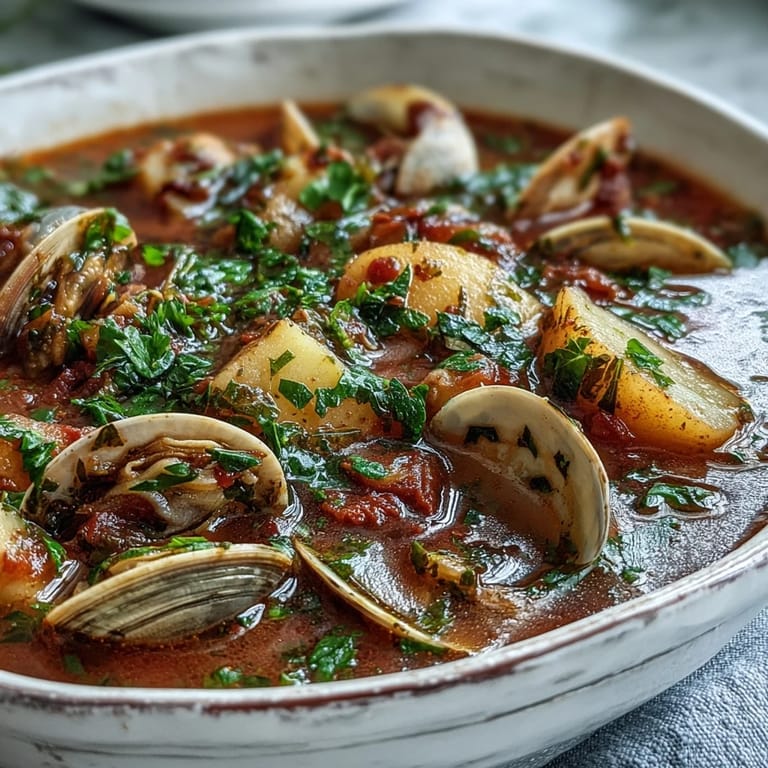
- Fish out and discard the bay leaves, then ladle the soup into bowls and scatter fresh parsley over the top. Serve immediately with oyster crackers or a slice of crusty sourdough for dipping.
 Pin
Pin 
What gets me about this soup is how it brings people together without being fussy or intimidating. I've watched friends who claimed they didn't like soup ask for the recipe, and I've seen picky eaters ask for seconds before anyone else is finished with their first bowl.
When to Use Fresh Clams Versus Canned
Fresh clams are wonderful if you have access to them and enjoy the ritual of scrubbing and steaming, plus they give you that extra precious briny liquid. But canned clams are genuinely wonderful too—they're already shucked, they save you time, and there's zero waste since everything usable goes into your pot. My rule is simple: use whatever makes you actually want to cook this soup, because fresh enthusiasm beats pristine ingredients every single time.
Flavor Variations Worth Trying
Once you've made this soup a couple of times and feel comfortable with the base, start playing around. I've added crispy diced bacon for smokiness, swapped the green bell pepper for red to add sweetness, and even thrown in a handful of corn kernels in the summer months. The beauty of this soup is that it's flexible enough to roll with your mood and your pantry.
Storage and Reheating Tips
This soup actually tastes better on day two or three after the flavors have had time to get to know each other. Store it in an airtight container in the fridge for up to three days, or freeze it for up to two months (though I'd skip freezing if you're using fresh clams). When you reheat it, do so gently over medium-low heat and stir occasionally, and if it's too thick, just add a splash of clam juice or water.
- Never let it come to a hard boil when reheating or the clams will toughen up.
- If you froze the soup, let it thaw overnight in the fridge before reheating for the best texture.
- Taste it again after reheating and adjust your salt since flavors can shift during storage.
 Pin
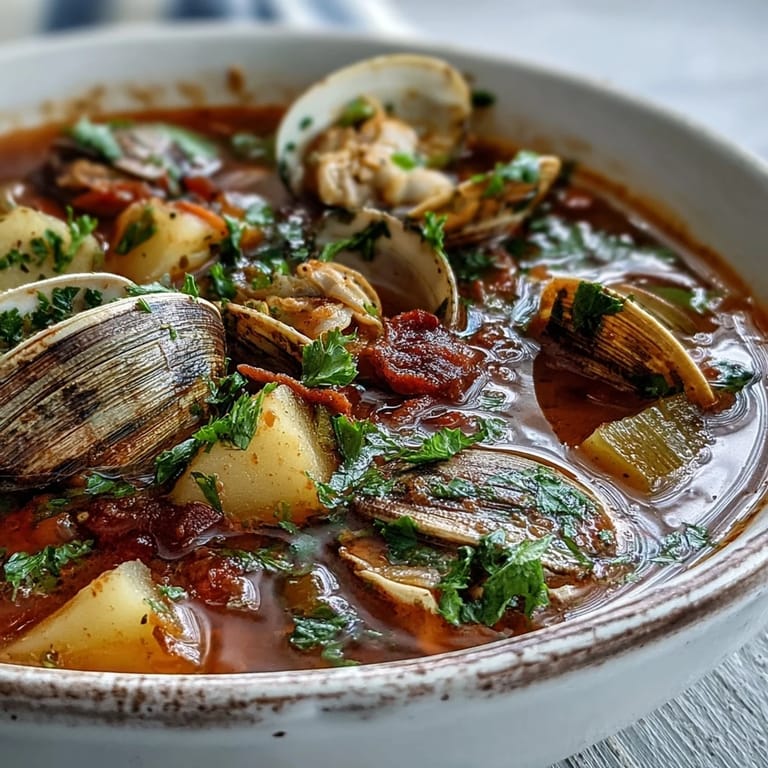
Pin This Manhattan clam chowder has become my go-to when I want to feel like a real cook without spending all day in the kitchen. It's the kind of soup that makes your home smell like a restaurant and tastes like you've been perfecting it for years.
Recipe Questions & Answers
- → What makes Manhattan clam chowder different from New England style?
Manhattan clam chowder features a tomato-based broth rather than the creamy milk base found in New England versions. This creates a lighter, more vibrant soup with a zesty acidity that balances the sweetness of clams and vegetables.
- → Can I use canned clams instead of fresh?
Absolutely. Canned chopped clams work well in this chowder. Simply drain them and reserve the juice to add back into the broth for maximum flavor. Use about 3 cups canned clams to replace 2 pounds fresh.
- → How do I store and reheat leftover chowder?
Store cooled chowder in an airtight container in the refrigerator for up to 3 days. Reheat gently over medium-low heat, stirring occasionally. Avoid boiling, as this can toughen the clams.
- → What's the best way to serve Manhattan clam chowder?
Serve hot in bowls, garnished with fresh parsley. Traditional accompaniments include oyster crackers or crusty sourdough bread for dipping. The soup pairs beautifully with a crisp white wine.
- → Can I make this chowder in advance?
Yes, the flavors actually improve after sitting overnight. Make the chowder up to 2 days ahead, refrigerate, and reheat before serving. Add fresh parsley just before serving for the best presentation.
- → Is Manhattan clam chowder dairy-free?
Traditional Manhattan clam chowder is naturally dairy-free since it uses a tomato broth base rather than cream or milk. This makes it an excellent option for those avoiding dairy.