 Pin
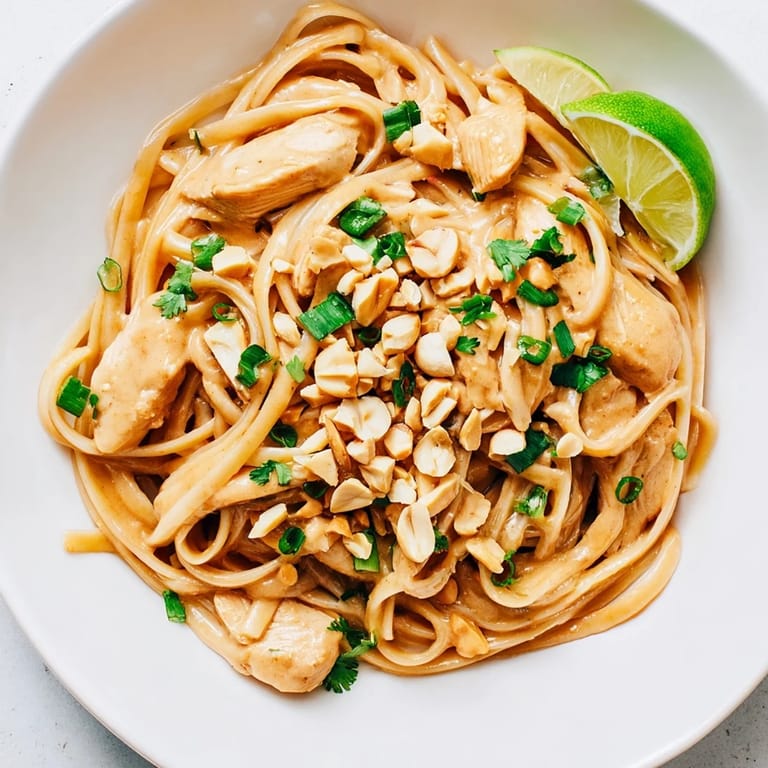
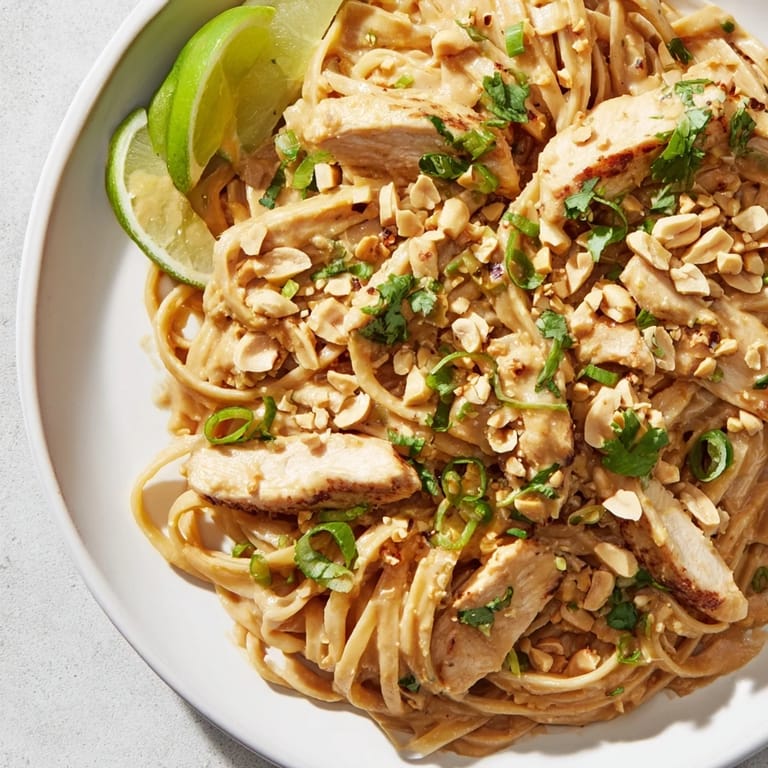
Pin There's something about the smell of garlic hitting hot oil that tells you dinner is going to be good. I discovered this Thai peanut chicken pasta on a random Tuesday when I was trying to use up a rotisserie chicken and some linguine, but wanted something with more personality than the usual red sauce. A jar of Thai peanut sauce from my pantry, a squeeze of lime, and twenty minutes later, I had something that felt like takeout but tasted like I'd actually tried. My roommate came home mid-cooking and immediately asked when we were eating.
I made this for a friend who'd been having a rough week, and watching her face light up on the first bite reminded me why I love cooking. She asked for the recipe before she finished her bowl, which is always the highest compliment. Now whenever she mentions being stuck in a cooking rut, this is what I tell her to make.
What's for Dinner Tonight? 🤔
Stop stressing. Get 10 fast recipes that actually work on busy nights.
Free. No spam. Just easy meals.
Ingredients
- Linguine or spaghetti, 340 g (12 oz): Linguine's flat surface catches the peanut sauce better than round pasta, but use whatever you have—this dish isn't precious about it.
- Boneless, skinless chicken breast, 450 g (1 lb), thinly sliced: Slicing thin means it cooks faster and absorbs the sauce better; if your knife feels dull, it's worth spending thirty seconds sharpening it.
- Vegetable oil, 1 tbsp: This is just enough to get color on the chicken without making the final dish greasy.
- Salt and black pepper: Don't skip seasoning the chicken directly; it makes a real difference.
- Ready-made Thai peanut sauce, 1 cup (240 ml): Check your jar—some brands are thinner than others, and that's fine; the soy sauce and lime will balance it out.
- Soy sauce, 2 tbsp: This adds depth and a little saltiness that keeps the dish from tasting one-note.
- Lime juice, 2 tbsp (about 1 lime): Fresh lime is essential here; bottled never quite has the same brightness.
- Fresh ginger, 1 tsp grated: Ginger wakes everything up; don't be tempted to skip it or use ground.
- Garlic, 2 cloves, minced: Mince it right before you cook it so it's as pungent as possible.
- Fresh cilantro, 1/4 cup chopped: This is your final flavor boost; stir it in at the very end so it stays bright.
- Fresh mint, 2 tbsp chopped (optional): If you like mint, don't leave it out—it adds a cool, unexpected layer.
- Green onions, 2, thinly sliced: Split these into two batches: half cooked into the dish, half raw as garnish for texture contrast.
- Roasted peanuts, 1/4 cup chopped: Peanuts give you the crunch that makes this feel substantial instead of just creamy.
- Lime wedges for serving: Let people adjust the tartness to their taste at the table.
Instructions
- Get the pasta going:
- Fill a large pot with salted water and bring it to a rolling boil—the water should taste like the sea. Add pasta and stir it a few times so nothing sticks, then cook according to package directions until it's tender but still has a tiny bit of resistance when you bite it. Drain it in a colander but don't rinse it; that starch helps the sauce cling.
- Sear the chicken:
- While the pasta water heats, slice your chicken into pieces about the thickness of your pinky finger. Heat oil in a large skillet over medium-high heat until it shimmers, then add chicken in a single layer, season with salt and pepper, and let it sit for a minute without moving it so it gets golden. Stir and cook until there's no pink inside, about five to seven minutes total, then slide it onto a plate.
- Build the sauce:
- Don't wash the skillet; all those little browned bits are flavor. Pour in the peanut sauce, soy sauce, lime juice, ginger, and garlic, then turn the heat down to medium and let it warm through gently for a couple minutes, stirring so nothing scorches on the bottom.
- Marry it all together:
- Tip the pasta and chicken back into the skillet and toss everything until every strand is coated and glossy. It should look rich and smell incredible.
- Finish with fresh things:
- Pull the pan off the heat and stir in the cilantro, mint if you're using it, and half the green onions. Taste it and add more lime juice if it needs brightness, or a pinch of salt if it feels flat.
- Plate and garnish:
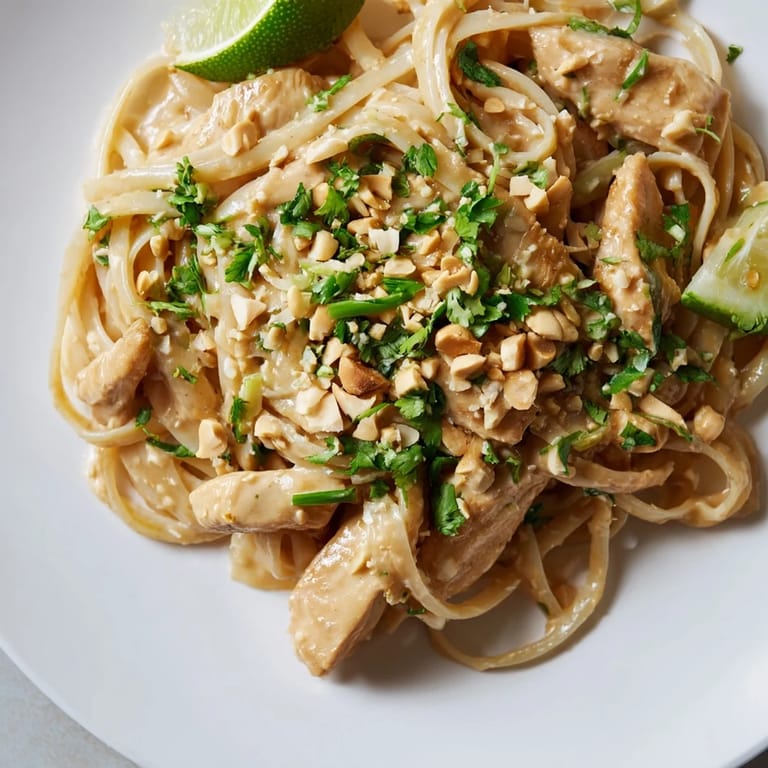
- Divide into bowls, scatter peanuts and the rest of the green onions on top, and set lime wedges on the side so people can squeeze their own. Serve right away while it's warm.
 Pin
Pin 
The first time I made this for a dinner party, I was so worried people would think it was too casual or not fancy enough. Instead, someone asked if I'd trained as a chef and if I did catering. It's those small moments that make you realize food doesn't need to be complicated to be memorable.
Why This Combination Works
Peanut sauce and pasta might sound like an odd pairing until you remember that peanuts are just another way to add creaminess and richness to a dish. The sauce coats the pasta the way cream would, but with this savory, almost funky depth that feels more interesting. Lime and fresh herbs cut through that richness so cleanly that your palate stays engaged instead of getting tired halfway through the bowl. It's the same reason pad thai works so well—you've got heat, salt, sour, and a little sweetness all dancing together.
Quick Swaps and Variations
The beauty of this dish is that it's forgiving once you understand the baseline. If you don't have cilantro, basil works beautifully, or even a handful of arugula stirred in at the end adds a peppery note. Some nights I use shrimp instead of chicken and add a squeeze more lime because seafood needs brightness. Rice noodles instead of linguine make this more authentically Thai, and tofu cut into thick slabs and pan-fried until golden works just as well if you're cooking for vegetarians—just add the tofu in the last step so it doesn't break apart.
Serving Thoughts and Pairings
This dish doesn't really need anything else, but a simple cucumber salad on the side adds coolness and freshness that's nice to alternate with bites of noodles. A cold Thai beer or a crisp Riesling both cut through the richness, and if you want to stay non-alcoholic, iced Thai tea with sweetened condensed milk is perfect. I've even made this for meal prep and eaten it cold the next day, though it's definitely best served warm right out of the skillet.
- If you're meal prepping, store the sauce separately and toss everything together just before eating so the noodles don't get soggy.
- Double the sauce recipe if you like things extra saucy; there's no such thing as too much in this case.
- Keep lime wedges within arm's reach because people will always want more brightness at the table.
 Pin
Pin This recipe has become my go-to when I want to feel like I've really cooked something, but I don't want to spend hours in the kitchen. It's the kind of dish that makes dinner feel special without any of the stress.
Recipe Questions & Answers
- → What type of pasta works best with this dish?
Linguine or spaghetti are ideal, as their shape holds the peanut sauce well and complements the chicken slices.
- → Can I substitute the chicken with another protein?
Yes, tofu is an excellent vegetarian alternative that soaks up the peanut sauce nicely.
- → How can I add extra spice to this dish?
A dash of sriracha or red chili flakes mixed into the sauce provides a nice spicy kick.
- → What fresh herbs enhance the flavor profile?
Cilantro and mint add bright, fresh notes that balance the richness of the peanut sauce.
- → Is this suitable for gluten-free diets?
By substituting regular pasta with rice noodles and ensuring the sauce is gluten-free, this dish can be adapted accordingly.