 Pin
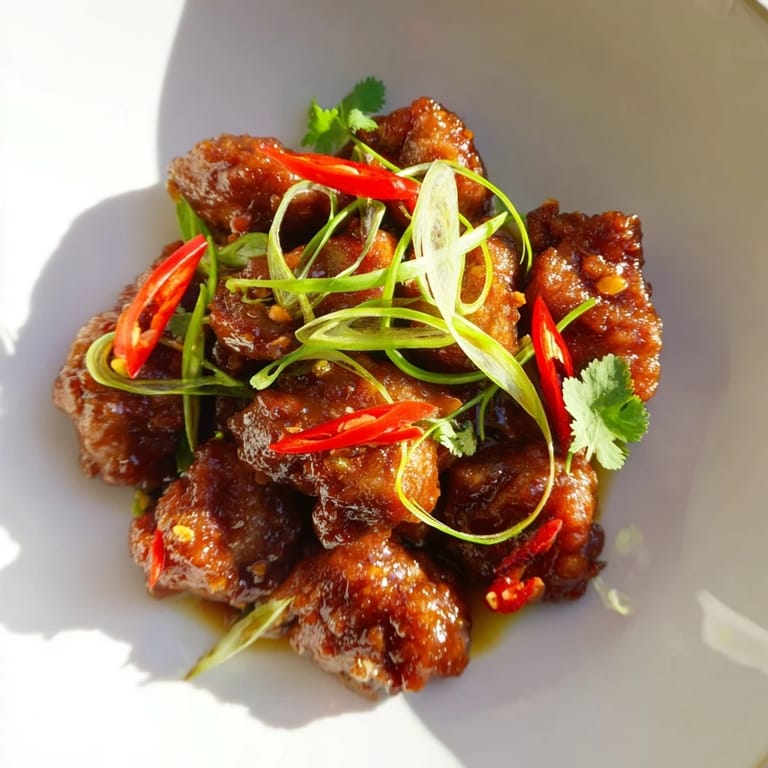
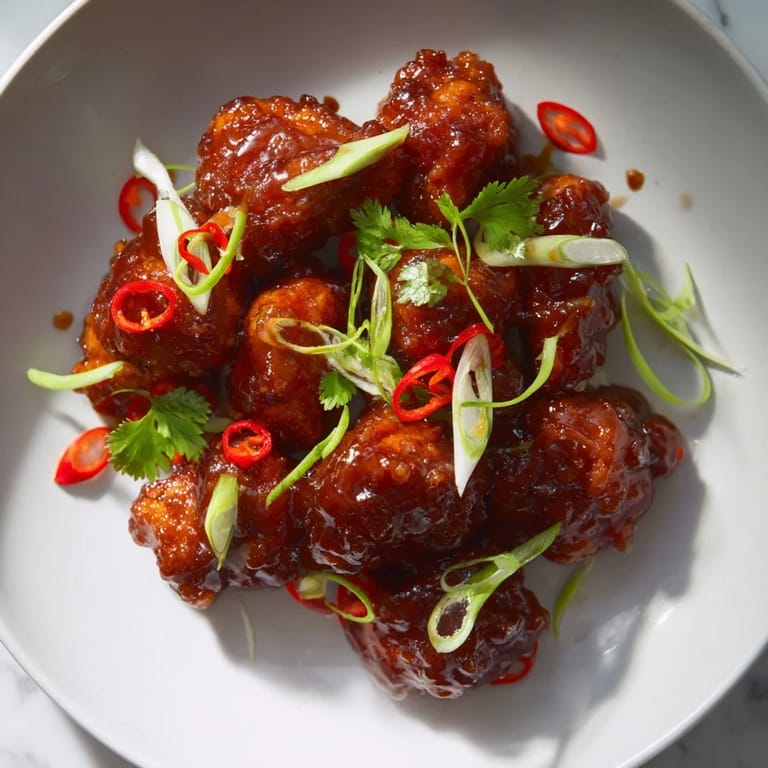
Pin The first time I truly understood Vietnamese cooking was in a cramped Hanoi kitchen where my friend's mother showed me how sugar and patience could transform simple chicken into something transcendent. She didn't measure the caramel with timers or thermometers—just watched the pan with the kind of quiet focus that comes from making something a thousand times. That glossy amber glaze coating each piece of chicken felt like the secret language of her family's table, and I've been chasing that moment ever since.
Years later, I made this for my partner on a Tuesday night when everything felt chaotic, and watching their face when they tasted it—that moment of quiet recognition of something good—reminded me why cooking matters. The kitchen filled with that unmistakable aroma of caramel meeting fish sauce, and suddenly the day didn't feel so heavy.
What's for Dinner Tonight? 🤔
Stop stressing. Get 10 fast recipes that actually work on busy nights.
Free. No spam. Just easy meals.
Ingredients
- Chicken thighs, 800 g: They're forgiving, flavorful, and stay moist even when the heat gets aggressive—use them and forget your worries about dry chicken.
- Fish sauce, 3 tbsp: This is the backbone, the umami whisper that makes people ask what that incredible something is without knowing it's fish sauce.
- Light soy sauce, 2 tbsp: Keep it light and salty, not the dark stuff that overpowers everything else.
- Brown sugar, 2 tbsp: Adds depth and a slight molasses note that regular sugar can't quite reach.
- Lime juice, 1 tbsp: Fresh is non-negotiable—this cuts through the richness and wakes everything up.
- Garlic, 2 tsp minced: Mince it fine so it disperses evenly and won't lurk in large chunks.
- Black pepper, 1 tsp freshly ground: Freshly ground pepper tastes alive compared to the pre-ground kind sitting in your cabinet.
- Vegetable oil, 1 tbsp: Use something neutral and with a high smoke point—peanut or canola work beautifully.
- Granulated sugar, 4 tbsp: For the caramel itself, this needs to be plain white sugar, nothing fancy.
- Water, 3 tbsp: Just enough to get the sugar moving before you let it do its amber magic.
- Spring onions, 2: The fresh, sharp finish that prevents this dish from feeling heavy.
- Red chili, 1 optional: If you want heat, this is where it lives—thin slices scattered over the top.
- Fresh coriander: A handful of leaves at the end ties everything together with herbaceous brightness.
Instructions
- Marinate the chicken:
- Combine your chicken pieces with fish sauce, soy sauce, lime juice, garlic, and black pepper in a bowl. Let it sit for at least 15 minutes—this is where flavor starts building its foundation, not a step to rush.
- Build the caramel:
- Pour sugar and water into your skillet over medium heat and don't touch it. Seriously, leave it alone while the sugar dissolves and turns that deep amber color in about 4–5 minutes—stirring breaks the process and creates graininess.
- Meet the moment:
- The second that caramel reaches deep amber, add your marinated chicken and all its juices. It'll hiss and bubble—that's the show beginning, and you'll toss everything to coat evenly in that glossy caramel.
- Bring it home:
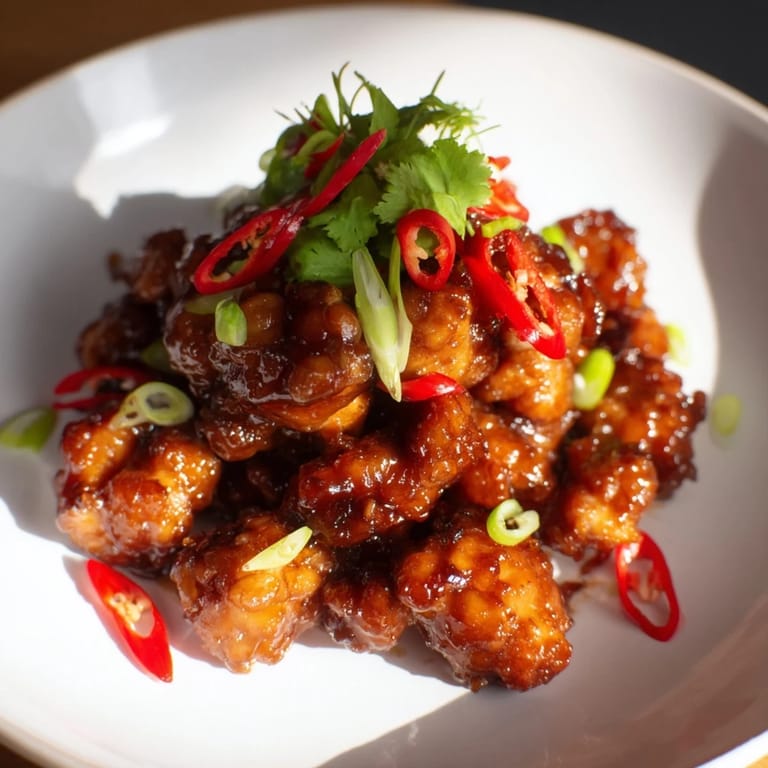
- Add the vegetable oil and turn the heat to medium-high, stirring occasionally for 8–10 minutes until the chicken is cooked through and the sauce becomes thick and clingy. You're looking for each piece to wear that glaze like a second skin.
- Taste and adjust:
- This is your moment—add a splash more fish sauce if it needs saltiness, or lime juice if it needs brightness. Trust your palate.
- Serve with ceremony:
- Transfer to a plate, scatter spring onions, chili, and coriander over the top, and serve immediately with steamed jasmine rice to catch every drop of sauce.
 Pin
Pin 
There's a specific kind of magic in watching something savory and sweet become one unified flavor. My grandmother would say that's where the soul of Vietnamese cooking lives—not in individual ingredients shouting for attention, but in moments where everything surrenders to the heat and becomes something greater together.
Choosing Your Chicken
Chicken thighs are your best friend here because they forgive slightly longer cooking times and stay tender instead of turning to chalk. If you prefer chicken breast for its leanness, reduce the cooking time to 6–8 minutes and watch like a hawk so it doesn't dry out. The thigh option lets you relax a little, which is what good food is supposed to do for you.
The Caramel: Your Moment of Truth
This step separates people who've made this dish once from people who understand it. The caramel has to reach that deep amber stage—not pale yellow, not smoking—where the sugar has transformed into something almost burnt but not quite. I learned this by ruining three batches, standing in my kitchen wondering why the house smelled like a burnt coffee shop. Now I use a wooden spoon nearby so I can drop a tiny bit of caramel into cold water to test if it's at that hard-crack stage, which means it's ready for the chicken.
Making It Your Own
This recipe is a foundation, not a cage. Some nights I add a splash of rice vinegar for extra tang, other times a pinch of five-spice powder for deeper warmth. A friend of mine swears by adding star anise to the marinade, which pushes it toward something slightly more complex. The beauty of this dish is that it holds strong flavors without letting them overshadow each other.
- For heat lovers, thin sliced bird's eye chili mixed into the sauce itself adds fire throughout, not just on top.
- A drizzle of toasted sesame oil at the very end adds a nutty richness that feels both traditional and unexpected.
- Serve it over noodles instead of rice sometimes—the sauce clings beautifully to egg noodles or vermicelli.
 Pin
Pin This dish carries the weight of a thousand home dinners, the kind where food becomes the language between people. Make it once and you'll find yourself reaching for it again, especially on days when you need something that tastes like it took forever but proves that sometimes the best things don't.