
 Pin
Pin There's something about the smell of hojicha that stops me mid-morning, like my kitchen suddenly transported itself to a quiet Tokyo café. My neighbor brought over a tin of it one autumn afternoon, and I didn't know what to do with the roasted leaves until she casually mentioned steaming them into milk like a cappuccino. The first cup I made was clumsy—too much foam, too little patience—but that toasty, almost nutty warmth wrapped around me in a way coffee never quite did. Now I find myself reaching for hojicha on mornings when I want something comforting but not jittery, something that feels both familiar and gently foreign.
Last winter, I made this for my mom on a Sunday when she was dealing with a head cold and couldn't have coffee. She sat at the kitchen counter while the milk frothed, watching the steam curl up, and said it reminded her of a trip to Kyoto she took years ago. That moment—her eyes softening around the warm cup, the room smelling like toasted grain—taught me that sometimes the smallest drinks hold the biggest memories.
What's for Dinner Tonight? 🤔
Stop stressing. Get 10 fast recipes that actually work on busy nights.
Free. No spam. Just easy meals.
Ingredients
- Hojicha loose-leaf tea or tea bags: This is the star, and loose-leaf gives you more control over strength; don't skip it for regular green tea, because hojicha's roasted quality is what makes this drink feel complete.
- Filtered water: Any water works, but filtered tastes cleaner and lets the tea's actual flavor shine through without competing notes.
- Whole milk or oat milk: Whole milk froths with the most luxurious body, though oat milk comes in a close second for that creamy texture that makes it feel indulgent.
- Honey, maple syrup, or sugar: A light hand with sweetener is key—you want to taste the hojicha, not mask it with sugar.
Instructions
- Heat your water gently:
- Bring the water to a gentle simmer rather than a rolling boil; hojicha is delicate and deserves that respect. You'll notice the kitchen starting to smell warm and inviting the moment the water hits temperature.
- Steep the hojicha with patience:
- Add your tea leaves or bags and let them sit for 3 to 4 minutes, resisting the urge to rush. The longer you wait (up to 5 minutes), the deeper and more toasty the flavor becomes, though too long brings a slightly bitter edge.
- Froth your milk into clouds:
- While tea steeps, heat your milk in a small saucepan or use a frother, aiming for hot but not boiling. The friction of frothing creates tiny air bubbles that make each sip feel lighter and more delicate than you'd expect.
- Pour with intention:
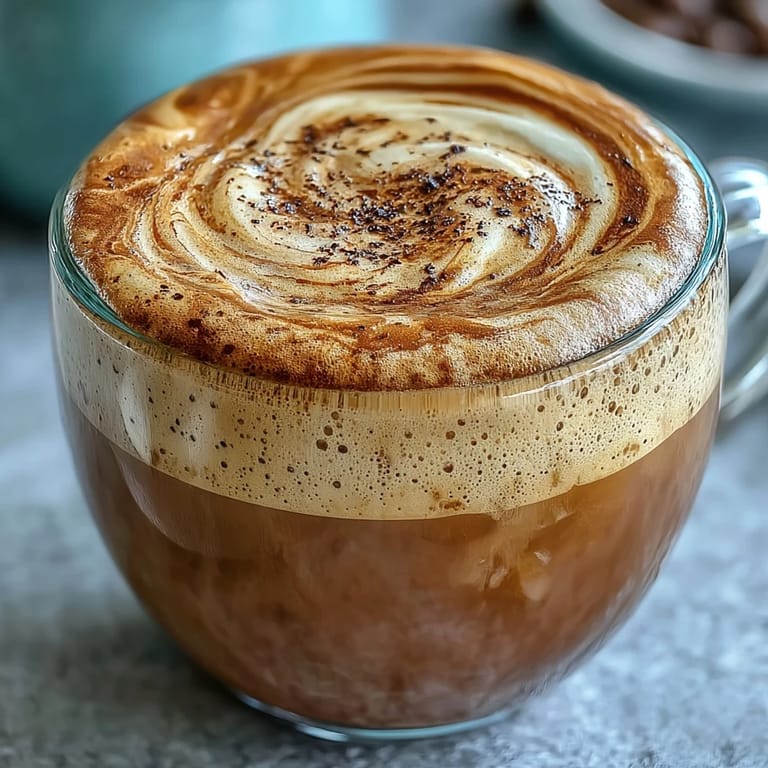
- Divide your steeped hojicha between two cups, add sweetener if you're using it, then slowly pour the steamed milk over while holding back the foam with a spoon. This layering is what makes it feel like a real cappuccino, not just tea with milk.
- Top with foam and optional flourish:
- Spoon the remaining milk foam on top for that classic cappuccino finish, and if you're feeling fancy, dust with a pinch of hojicha powder or cinnamon. Serve right away while everything is still warm and the foam is still at its peak.
 Pin
Pin 
There was an evening when a friend stopped by unexpectedly, and instead of reaching for coffee or tea bags, I made two of these hojicha cappuccinos. We sat on the porch as the sun lowered, trading stories between sips, and neither of us checked our phones once. That's when I realized this drink has a gentle magic—it slows you down without putting you to sleep.
The Roasted Tea Magic
Hojicha is literally Japanese green tea that's been roasted at high temperatures, which strips away some of the grassiness and brings out warm, toasted, almost chestnut-like notes. Unlike regular tea that can taste vegetal or sharp, hojicha tastes like you're drinking something that's already been caramelized by time. Once you understand that roasting transforms the whole profile, you start seeing it everywhere—in cookies, in lattes, in desserts—and suddenly your kitchen feels like it's discovered a secret.
Frothing Techniques That Actually Work
You don't need an espresso machine to get decent foam; a simple whisk or even a jar with a tight lid will do the job if you're determined enough. The goal is to introduce tiny air bubbles into the milk without scalding it, which is why heating and frothing are two separate steps—heat it first in the pan, then froth it in a separate container or use a frother if you have one. I've made this with a fork in a pinch, and while it took longer, the result was surprisingly silky.
Making It Your Own
This recipe is a foundation, not a cage, and I've watched people make it their own in the best ways. Some prefer it stronger, some barely sweetened, some skip the sweetener entirely and let the natural nuttiness speak. You could add a hint of vanilla extract, a dash of cardamom, or even a whisper of cinnamon into the hojicha while it steeps.
- Oat milk creates a thicker, creamier cappuccino that almost feels dessert-like in texture.
- Steeping hojicha for exactly 4 minutes gives you the sweet spot between strength and smoothness.
- Make your hojicha a few minutes before you plan to drink it so the flavors bloom and settle rather than staying sharp.
 Pin
Pin This cappuccino sits somewhere between ritual and comfort, between the familiar warmth of a hot drink and the gentle unfamiliarity of something you're still learning to love. Make it for yourself on a morning when you need to slow down, or for someone else when you want them to know you were thinking of them.
Recipe Questions & Answers
- → What does hojicha taste like?
Hojicha has a distinctive toasty, nutty flavor with caramel undertones. The roasting process reduces bitterness, resulting in a smooth, earthy taste that's less astringent than other green teas. Its naturally sweet profile pairs beautifully with creamy milk.
- → Can I make this without a milk frother?
Yes, you can froth milk without a specialized tool. Heat the milk in a saucepan until hot but not boiling, then whisk vigorously by hand for 1-2 minutes until foam forms. Alternatively, shake warm milk in a sealed jar for 30-60 seconds to create froth.
- → Is this drink caffeinated?
Yes, hojicha contains caffeine, though less than many other green teas due to the roasting process. A typical cup contains approximately 20-30mg of caffeine, compared to 30-50mg in standard green tea and 95mg in coffee.
- → What type of milk works best?
Whole milk creates the creamiest, most stable foam, but oat milk is an excellent dairy-free alternative that froths well and adds subtle sweetness. Almond and soy milk also work, though they may produce lighter foam.
- → Can I make this iced?
Absolutely. Brew the hojicha tea and let it cool completely. Froth cold milk or use cold foam from a frother, then pour over ice. The toasty flavors remain delicious when chilled, making it refreshing for warmer weather.
- → How should I store leftover hojicha?
Store loose-leaf hojicha in an airtight container away from light, heat, and moisture to preserve its roasted flavor. Properly stored, it maintains freshness for 6-12 months. Keep bags sealed tightly if using tea bags.