 Pin
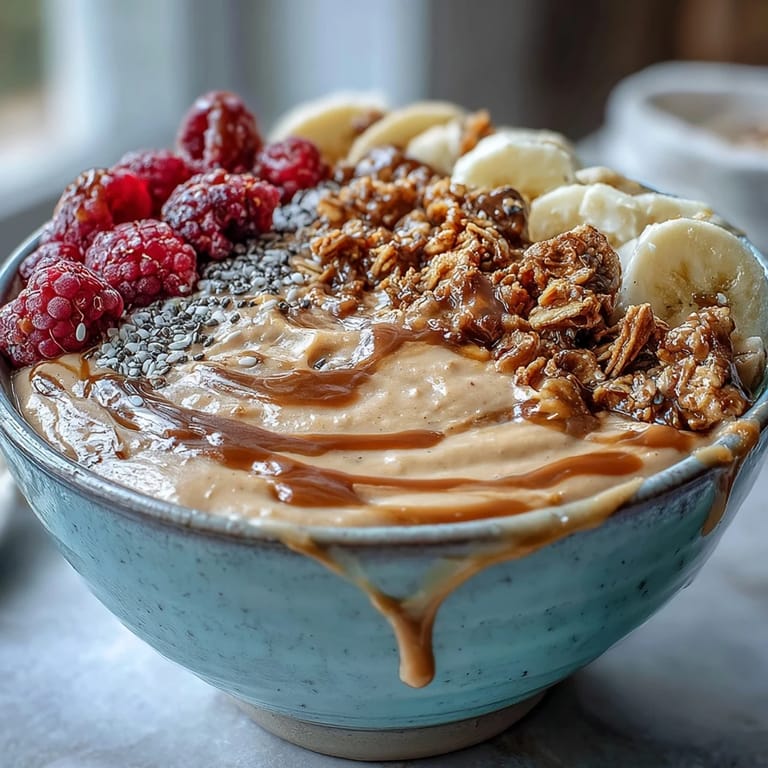
Pin My gym buddy swore by smoothie bowls, but I kept making the same watery mistake until one morning when I froze my bananas the night before and grabbed actual peanut butter instead of the powdered stuff. The texture was suddenly thick, creamy, almost luxurious—nothing like the thin drinks I'd been blending. That single bowl changed how I thought about breakfast, and now I make them on days when I need to feel like I'm actually taking care of myself.
I made this for a friend who'd just started running marathons, and watching her face light up when she realized it had protein without being boring was worth every spoonful I tasted. She asked for the recipe three times before it finally stuck, and now she texts me photos of her bowl variations from across the country.
What's for Dinner Tonight? 🤔
Stop stressing. Get 10 fast recipes that actually work on busy nights.
Free. No spam. Just easy meals.
Ingredients
- Frozen banana slices (2 large): Freezing them ahead is non-negotiable—it gives you that soft-serve consistency that feels indulgent without any ice cream.
- Natural peanut butter (2 tablespoons base, 1 for topping): The real stuff with just peanuts and salt makes all the difference; the creamy version blends smoother than chunky.
- Plant-based vanilla protein powder (1 scoop, about 30 g): Pick one that doesn't leave a chalky aftertaste—brands matter more than you'd think, so taste before committing to a big tub.
- Unsweetened almond milk (1 cup): The unsweetened part keeps the bowl from tasting like dessert, but oat or cashew milk work beautifully too if you have preferences.
- Chia seeds (1 tablespoon base, 1 teaspoon topping): These tiny seeds absorb liquid and add a subtle texture; they're not essential but they make you feel fancy.
- Maple syrup (1–2 teaspoons, optional): Only add this if your banana isn't ripe enough or your taste buds are demanding sweetness that day.
- Fresh toppings (banana, berries, granola, cacao nibs): These are where you show off and customize—whatever you have in your fridge becomes the perfect topping.
Instructions
- Gather your frozen bananas and get blending:
- Slice your frozen bananas into rough chunks so they blend faster and easier. Add the peanut butter, protein powder, almond milk, chia seeds, and maple syrup if you're using it, then blend until the mixture looks smooth and thick like soft-serve ice cream.
- Check your texture and adjust:
- If it's too thick to blend, add just a splash more milk—you want something you can eat with a spoon, not drink through a straw. Scrape the sides as you go to catch any peanut butter stuck to the blender walls.
- Divide and design:
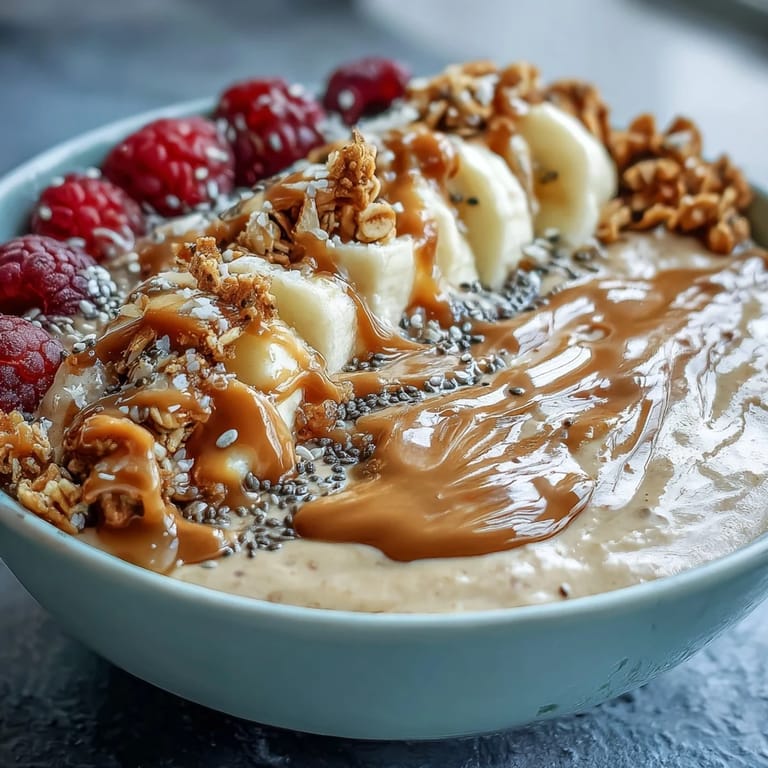
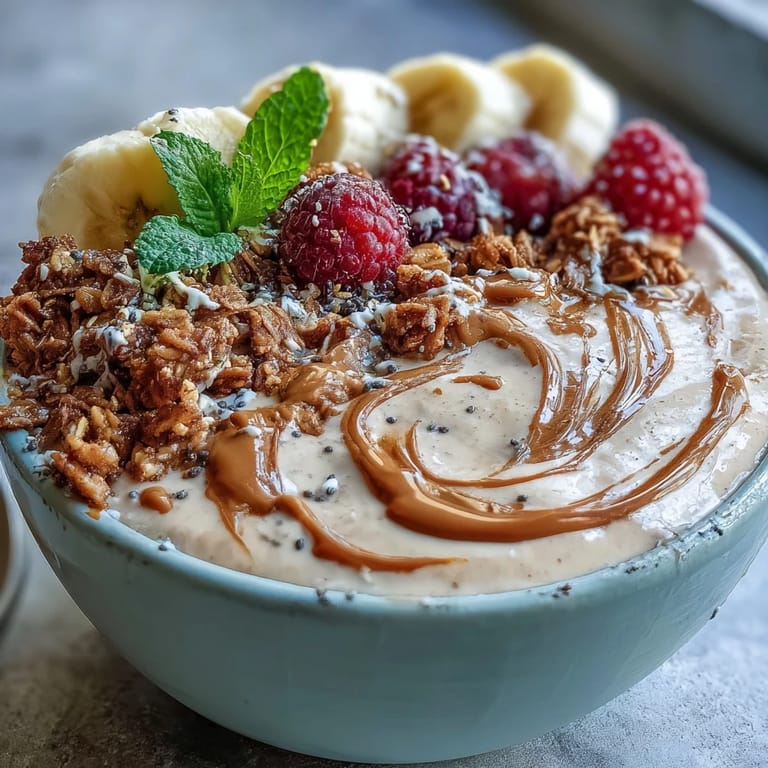
- Pour the smoothie base into two bowls, splitting it evenly so you both get the same amount. Now comes the fun part: arrange your banana slices, granola, fresh berries, and peanut butter drizzle on top like you're creating edible art.
- Add the final flourishes:
- Sprinkle your chia seeds and cacao nibs across the top, then serve immediately with a spoon. The longer it sits, the softer the granola gets, so eat it right away if you want that crunch.
 Pin
Pin 
There's something almost meditative about sitting down with a bowl that looks beautiful enough to post but tastes real enough to feel nourishing. My sister started making these on Sunday mornings when she needed a quiet moment before the week started, and now it's become her small ritual of self-care.
Making It Creamier
Sometimes I add a quarter of an avocado or a few cubes of silken tofu to the base, especially when I'm feeling like I need extra richness. The avocado blends seamlessly and adds a luxurious mouthfeel without tasting like avocado at all, while the tofu does the same thing if you're trying to avoid nut butters for a day.
Swapping Your Protein and Nut Butters
Not everyone likes peanut butter, and that's okay—almond or cashew butter works beautifully and tastes slightly more delicate. If vanilla protein powder isn't your thing, chocolate or unflavored blends work just as well, though you might need to taste and adjust your sweetness at the end.
Making It Your Own
The beauty of a smoothie bowl is that it's endlessly customizable based on what you have and what you're craving. Some mornings I add toasted coconut flakes or sunflower seeds instead of granola, and other times I layer in a drizzle of tahini or a sprinkle of nutritional yeast just to keep things interesting.
- Toast your own coconut flakes or seeds at home if you want them fresher and crunchier than store-bought versions.
- Make extra smoothie base on weekends and freeze it in portions for grab-and-go mornings when you're running late.
- Remember that the bowl is only as good as your banana's ripeness—slightly speckled ones blend smoother and taste sweeter.
 Pin
Pin This bowl became my answer to mornings when I needed something that felt like self-care but didn't require me to be awake yet. It's still the first thing I make when someone visits and I want them to feel genuinely looked after.
Recipe Questions & Answers
- → Can I make this bowl ahead of time?
The smoothie base is best enjoyed immediately while thick and creamy. However, you can blend the base the night before and store it in the freezer—just let it thaw slightly and stir before adding toppings.
- → What protein powder works best?
Vanilla plant-based protein powder blends seamlessly. Look for pea protein, hemp protein, or a blend specifically formulated for smoothies. Unflavored options also work if you prefer natural banana-peanut flavor.
- → How can I make it thicker?
Use fully frozen bananas without thawing. Add less liquid initially—you can always splash in more almond milk if blending becomes difficult. For extra creaminess, blend in a quarter avocado or silken tofu.
- → Are there nut-free alternatives?
Substitute sunflower seed butter or tahini for peanut butter. Use oat milk or soy milk instead of almond milk, and skip nut-based granola for a seed-based topping blend.
- → Can I reduce the sweetness?
Absolutely. The ripe bananas provide natural sweetness, so the maple syrup is optional. Taste before blending and only add sweetener if needed—this keeps the bowl lower in sugar.