 Pin
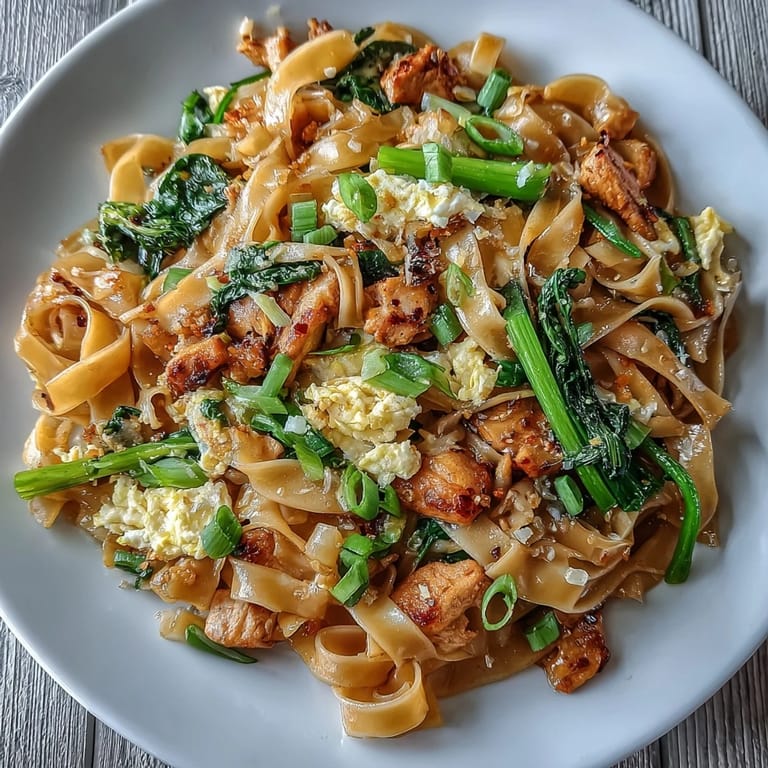
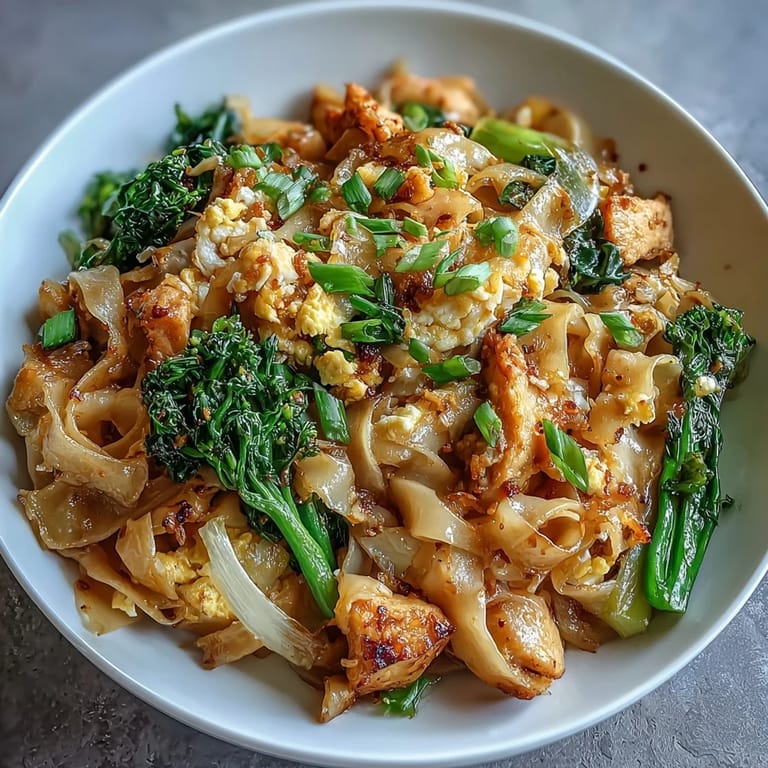
Pin In the bustling streets of Bangkok, amid the symphony of sizzling woks and fragrant aromas, Pad See Ew stands as one of Thailand's most beloved street foods. This classic dish showcases the perfect harmony of wide rice noodles, tender chicken, and crisp Chinese broccoli, all enveloped in a savory-sweet sauce that caramelizes slightly in the intense heat of a wok. The dish's name—'Pad' meaning stir-fried and 'See Ew' referring to soy sauce—reveals its essence: a masterful blend of textures and flavors united by a rich, glossy sauce that coats each delicious bite.
Pin What's for Dinner Tonight? 🤔
Stop stressing. Get 10 fast recipes that actually work on busy nights.
Free. No spam. Just easy meals.
Pad See Ew has a special place in Thai cuisine as a comforting, everyday dish. Unlike its spicier cousin Pad Thai, this noodle dish focuses on the deep, savory notes from soy sauces and the natural sweetness of fresh ingredients. The key to achieving restaurant-quality results at home lies in preparing all ingredients before you begin cooking and maintaining a very hot wok throughout the process—this ensures you get those coveted charred edges on the noodles that give the dish its distinctive flavor.
- 200g (7 oz) dried wide rice stick noodles (or 450g / 15 oz fresh wide flat rice noodles)
- 1 cup (150g / 5 oz) boneless, skinless chicken thighs, thinly sliced
- 4 stems Chinese broccoli (gai lan), stems cut into 2-inch pieces, leaves cut larger
- 1 large egg
- 2 tsp dark soy sauce
- 1½ tbsp oyster sauce
- 1 tbsp light soy sauce
- 2 tsp white vinegar
- 2 tsp sugar
- 2 cloves garlic, very finely chopped
- 3 tbsp peanut or vegetable oil, divided
- Prepare the Noodles
- If using dried rice noodles, soak in warm water for about 30 minutes until pliable but not fully cooked. Drain and set aside. If using fresh rice noodles, gently separate and set aside.
- Mix the Sauce
- In a small bowl, combine dark soy sauce, oyster sauce, light soy sauce, white vinegar, and sugar. Stir until sugar dissolves.
- Prepare the Chinese Broccoli
- Cut stems into 2-inch pieces and leaves into larger pieces.
- Cook the Chicken
- Heat 1 tbsp oil in a wok or large skillet over high heat. Add sliced chicken; stir-fry until just cooked through. Remove and set aside.
- Stir-Fry the Chinese Broccoli
- In the same wok, add 1 tbsp oil. Add broccoli stems; stir-fry 1 minute. Add leaves; stir-fry until just wilted. Remove and set aside.
- Scramble the Egg
- Add remaining 1 tbsp oil to the wok. Add garlic; sauté a few seconds until fragrant. Crack in the egg; scramble quickly until just set.
- Combine Noodles and Sauce
- Add soaked/fresh noodles to the wok. Pour sauce over noodles; toss well to coat.
- Finish the Dish
- Return chicken and Chinese broccoli to the wok. Stir-fry everything together for 1–2 minutes until hot and well combined.
- Serve
- Divide Pad See Ew among serving plates. Serve immediately.
The secret to perfect Pad See Ew lies in the wok's temperature. Ensure your wok is properly heated before adding ingredients to achieve those desirable charred edges on the noodles. Prepare all ingredients in advance (mise en place) as the cooking process happens very quickly. When working with fresh rice noodles, let them come to room temperature and gently separate them before cooking to prevent breaking.
Pad See Ew welcomes many adaptations while maintaining its essential character. Substitute chicken thighs with beef, pork, tofu, or shrimp if preferred. Chinese broccoli (gai lan) can be replaced with broccolini or regular broccoli if unavailable. For those who enjoy heat, add fresh sliced chilies or a sprinkle of chili flakes. Vegetarians can omit the egg and replace oyster sauce with vegetarian mushroom sauce.
Serve Pad See Ew hot off the wok for the best experience. Traditional accompaniments include lime wedges, a small dish of Thai chili vinegar, and chili flakes for those who want to adjust the flavor to their preference. For a complete Thai meal, pair with Tom Yum soup as a starter and fresh mango with sweet sticky rice for dessert. A cold Thai iced tea makes the perfect beverage companion to balance the rich flavors of this satisfying dish.

 Pin
Pin As you serve your homemade Pad See Ew, take a moment to appreciate this dish that has traveled from the vibrant streets of Thailand to kitchens worldwide. Each bite offers a glimpse into Thai culinary philosophy—where texture matters as much as taste, where simple ingredients transform through high-heat cooking, and where the balance of sweet, savory, and tangy creates a harmonious whole. Whether enjoyed as a quick weeknight meal or as part of a larger Thai feast, this classic stir-fried noodle dish promises satisfaction and a touch of Bangkok's street food magic.
Recipe Questions & Answers
- → How can I soak dried wide rice noodles properly?
Soak dried noodles in warm water for about 30 minutes until pliable but not fully soft. Drain before cooking to avoid sogginess.
- → What are good alternatives to Chinese broccoli?
Broccolini or regular broccoli work well if you can't find Chinese broccoli, offering a similar crunchy texture.
- → Can I substitute chicken with other proteins?
Yes, beef, pork, tofu, or shrimp are excellent substitutes and pair well with the savory-sweet sauce and noodles.
- → Why is it important to scramble the egg separately?
Scrambling the egg quickly in hot oil ensures it cooks just right and adds a delicate texture that complements the noodles and vegetables.
- → How can I add extra flavor to this dish?
A dash of white pepper or chili flakes adds a subtle heat, and serving with lime wedges provides a fresh, tangy finish.