
 Pin
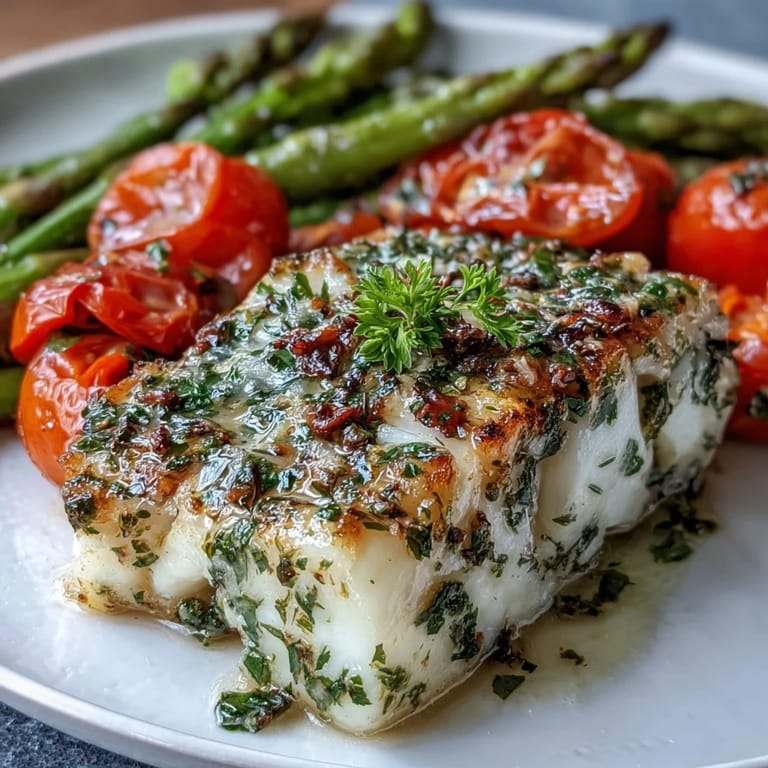
Pin Last Tuesday, I opened the fridge to find a pristine cod fillet staring back at me, and I knew instantly it deserved something bright and uncomplicated. No fussy techniques, no long ingredient lists—just the Mediterranean way of letting good fish speak for itself with a whisper of lemon and herbs. Twenty minutes later, my kitchen smelled like a coastal village, and I had four plates that looked far more impressive than the minimal effort it took to create them. This sheet pan method changed how I cook weeknight dinners, turning what could have been ordinary into something I actually crave.
I made this for my sister when she mentioned she was tired of complicated dinners, and watching her cut into that flaky fish with just a fork was all the validation I needed. She asked for the recipe before she'd even finished eating, and now it appears on her table at least twice a month. That's when I realized this wasn't just a quick weeknight solution—it was the kind of dish that quietly becomes a staple.
What's for Dinner Tonight? 🤔
Stop stressing. Get 10 fast recipes that actually work on busy nights.
Free. No spam. Just easy meals.
Ingredients
- Cod fillets (4, about 150 g each): Look for fillets that are uniform in thickness so they cook evenly; thinner sections tend to dry out while thicker parts are still cooking.
- Olive oil (3 tablespoons total): Use good quality oil here since it's the main flavor carrier—it makes a noticeable difference in the final taste.
- Lemon zest and juice: Don't skip the zest; it brings brightness that the juice alone can't deliver, creating layers of citrus flavor.
- Garlic cloves (2, minced): Fresh garlic is non-negotiable; the aromatic punch it adds is what transforms this from simple to memorable.
- Fresh parsley and thyme: These herbs work together to create an herbaceous base that doesn't overpower the delicate fish.
- Asparagus (1 bunch, about 400 g): Choose spears that are about the same thickness so they roast uniformly; thinner ones become crispy, thicker ones stay tender.
- Cherry tomatoes (250 g, halved): Halving them allows the heat to concentrate their sweetness, and they release just enough liquid to create a light sauce.
- Salt and pepper: Season in layers rather than all at once; it distributes flavor more evenly throughout the dish.
Instructions
- Set the stage:
- Preheat your oven to 200°C and line a large baking sheet with parchment paper—this small step prevents sticking and makes cleanup effortless.
- Build the herb mixture:
- Combine olive oil, lemon zest, juice, minced garlic, parsley, thyme, salt, and pepper in a small bowl and stir until it looks like a loose paste. The aroma alone will tell you something good is about to happen.
- Prepare the fish:
- Pat your cod fillets completely dry with paper towels and arrange them on one side of the baking sheet—moisture is the enemy of browning, so don't skip this step. Brush the herb mixture generously over each fillet, letting some pool underneath.
- Arrange the vegetables:
- Toss your asparagus and halved cherry tomatoes with olive oil, salt, and pepper on the other half of the sheet. They'll release their own juices as they roast, creating a light sauce that mingles with everything else.
- Bake with confidence:
- Slide the whole sheet into the oven for 16 to 18 minutes; the cod is done when it flakes easily with a fork and the asparagus is tender with just a hint of char. Don't open the oven door constantly—let it work its magic undisturbed.
- Serve with intention:
- Divide everything among plates, finish with lemon wedges and extra herbs if you like, and serve immediately while everything is still warm and the fish is at its most delicate.
 Pin
Pin 
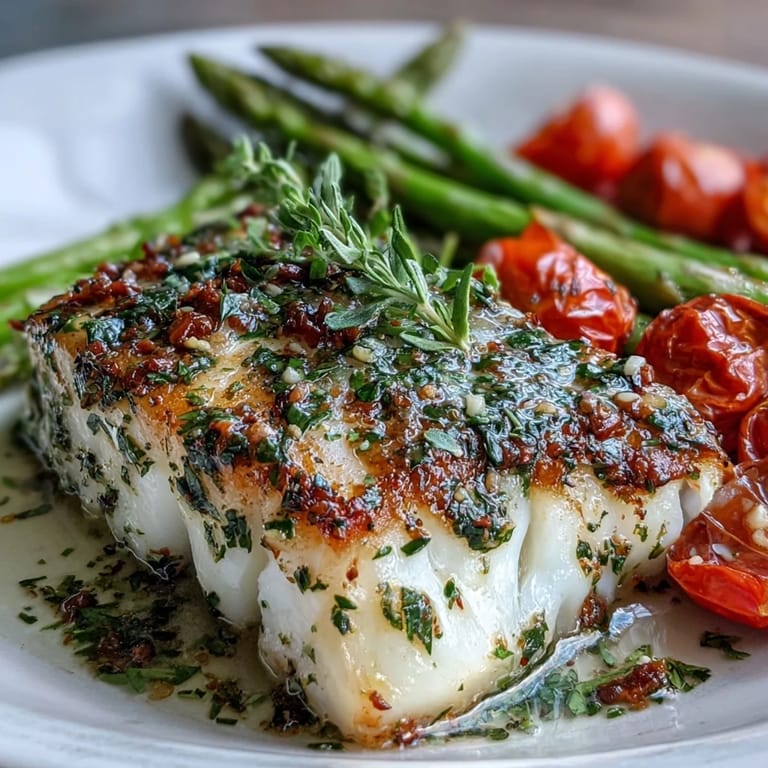
There's a moment when you pull this from the oven and the smell hits you—bright, herbal, with that sweet tomato underneath—and you realize you've made something that feels far more restaurant-quality than your Tuesday effort deserves. It's one of those dishes that reminds you why cooking matters.
Why This Method Works
Sheet pan cooking isn't just about convenience, though that's certainly a bonus. There's actual chemistry happening: the vegetables release moisture that steams the fish gently while the lemon herb mixture acts as a self-basting sauce. The fish never dries out, the vegetables get just tender enough without falling apart, and somehow everything tastes like it's been cooked by someone who actually knows what they're doing. I've made this with other proteins and vegetables, and the method translates beautifully every time.
Swaps and Substitutions That Actually Work
I've tested this with haddock (slightly sweeter and more forgiving), halibut (firmer, takes a minute longer), and even salmon (which needs only 12 minutes and pairs gorgeously with dill instead of parsley). For vegetables, green beans work wonderfully in place of asparagus, and I've mixed regular tomatoes with cherry ones for different seasons. The real magic is understanding that delicate white fish plus bright citrus plus roasted vegetables equals success, regardless of which specific players you choose.
Making It a Complete Dinner
On its own, this is satisfying and protein-rich, but sometimes I want something more substantial on the plate. Quinoa soaks up the light sauce beautifully, rice provides comfort, and crusty bread becomes an excuse to drag through every last drop. A crisp white wine—Sauvignon Blanc if you have it, Pinot Grigio if you don't—cuts through the richness of the olive oil and complements the lemon without fighting it. The Parmesan suggestion from my notes isn't just a throwaway; a light sprinkle over the asparagus adds umami depth that transforms it into something almost creamy.
- Toast your bread lightly to give it texture that stands up to the vegetables and sauce.
- Chill your white wine properly; it should be cold enough to refresh but not so cold it numbs the flavors.
- Let the plate rest for one minute after plating so the flavors settle and the fish stays warm throughout your meal.
 Pin
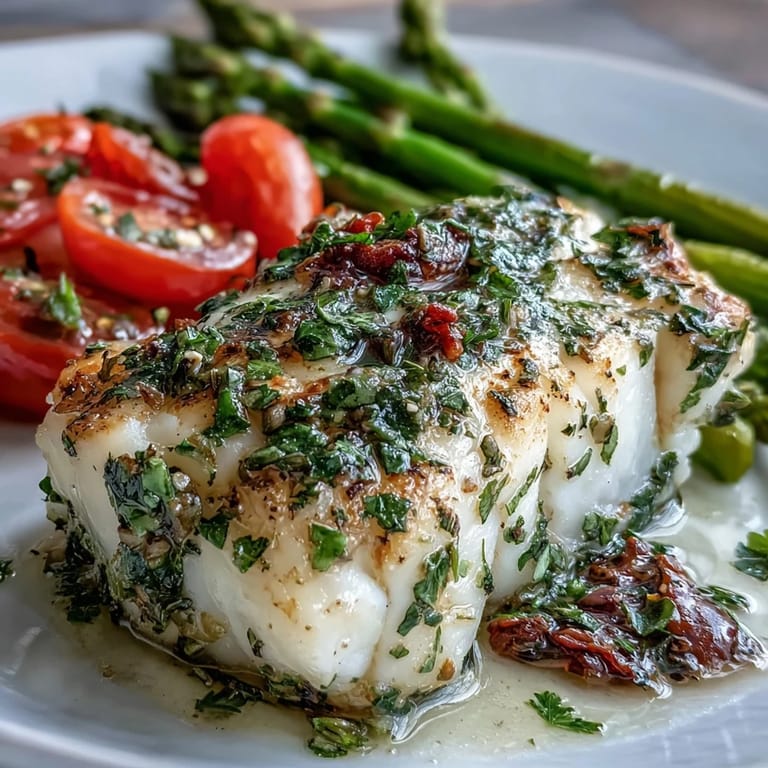
Pin This recipe exists because good food shouldn't require apologies or complexity, just respect for its ingredients and a bit of thoughtful timing. Make it once and you'll make it again.
Recipe Questions & Answers
- → What is the best way to ensure cod stays flaky?
Pat the cod dry before seasoning and avoid overbaking to maintain tender, flaky texture.
- → Can I substitute asparagus with other vegetables?
Yes, vegetables like green beans or broccoli work well and roast at similar times.
- → How do the lemon and herbs enhance the fish?
Lemon adds brightness while herbs provide a fresh, aromatic flavor complementing the mild cod.
- → Is it necessary to oil the baking sheet?
Using parchment paper or lightly greasing the sheet prevents sticking and promotes even cooking.
- → What can I serve alongside for a fuller meal?
Serve with grains like quinoa or crusty bread to add texture and balance.