 Pin
Pin The first time I had this dish was at a tiny bistro in Lyon, where the waiter warned me the kitchen was closing but the chef would make me one last plate. That golden butter arrived sizzling in its own private heat, smelling like hazelnuts and lemon. I ate every bite standing at the bar while they stacked chairs around me. Sometimes the best meals happen when you're not expecting them at all.
Last Tuesday my partner came home exhausted and I had those flounder fillets defrosted, wondering if they'd dry out in the pan. But watching that butter turn amber and knowing exactly when to pull it taught me more than any cooking class. We ate at the counter with wine in mismatched glasses, both agreeing it beat any restaurant meal we've had this year.
What's for Dinner Tonight? 🤔
Stop stressing. Get 10 fast recipes that actually work on busy nights.
Free. No spam. Just easy meals.
Ingredients
- Flounder fillets: These delicate white fish are perfect for quick cooking and mild enough to let the butter shine. Pat them absolutely dry or they'll steam instead of sear.
- Flour: Just enough to create that golden crust without battering the fish. Shake off every bit of excess or the sauce will taste chalky.
- Butter: Use unsalted so you control the seasoning. You'll need two batches: one for cooking, one for that magical browned butter finish.
- Lemon: Fresh juice cuts through all that richness and brightens everything. Room temperature lemons yield more juice, so set yours out before you start.
- Parsley: Flat leaf has better flavor than curly, and that pop of green makes the plate look intentional. Add it last so it stays vibrant.
Instructions
- Prep your fish:
- Pat each fillet completely dry with paper towels, then season both sides generously with salt and pepper. Let them sit while you prep everything else.
- Dredge lightly:
- Spread flour on a shallow plate and press each fillet into it, shaking off any loose flour. You want the thinnest possible coating.
- Sear to golden:
- Heat two tablespoons butter and the olive oil in a large nonstick skillet over medium high heat. When the butter foams, add fillets and cook 2 to 3 minutes per side until golden and opaque. Transfer to a warm plate.
- Make the brown butter:
- Wipe out the skillet and add the remaining butter over medium heat. Watch as it foams, then turns golden brown and smells like toasted nuts, about 2 to 3 minutes.
- Finish and serve:
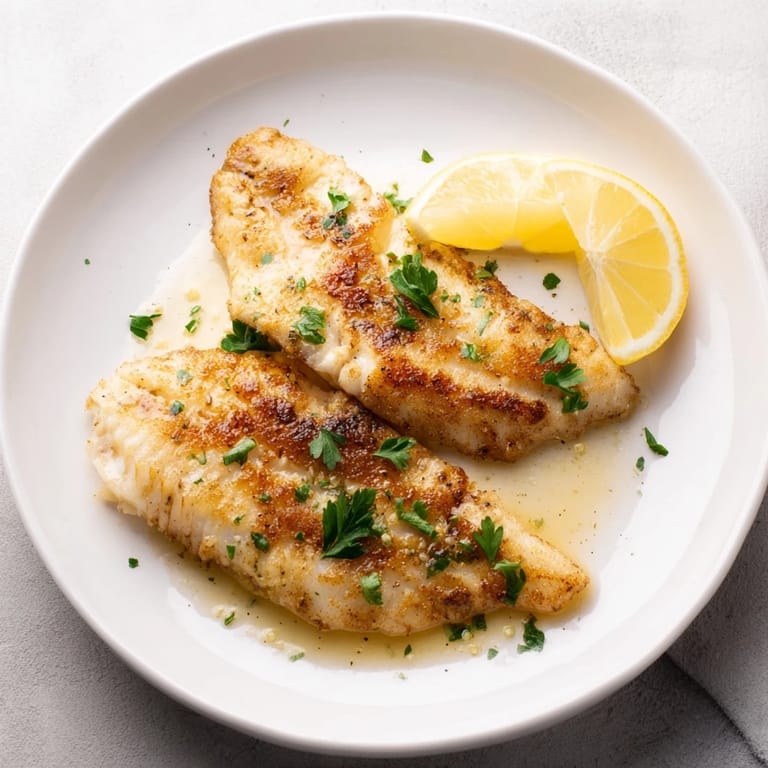
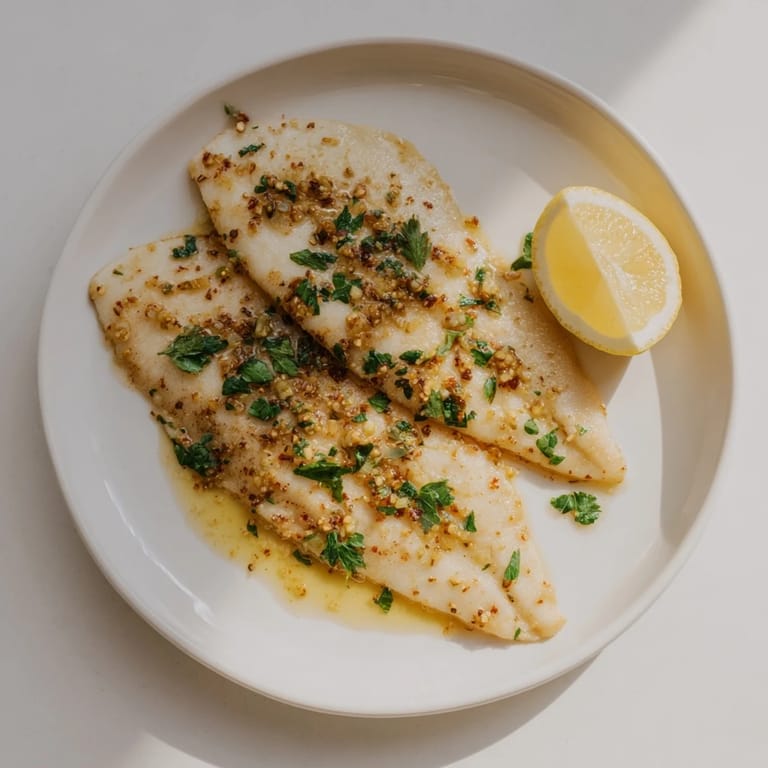
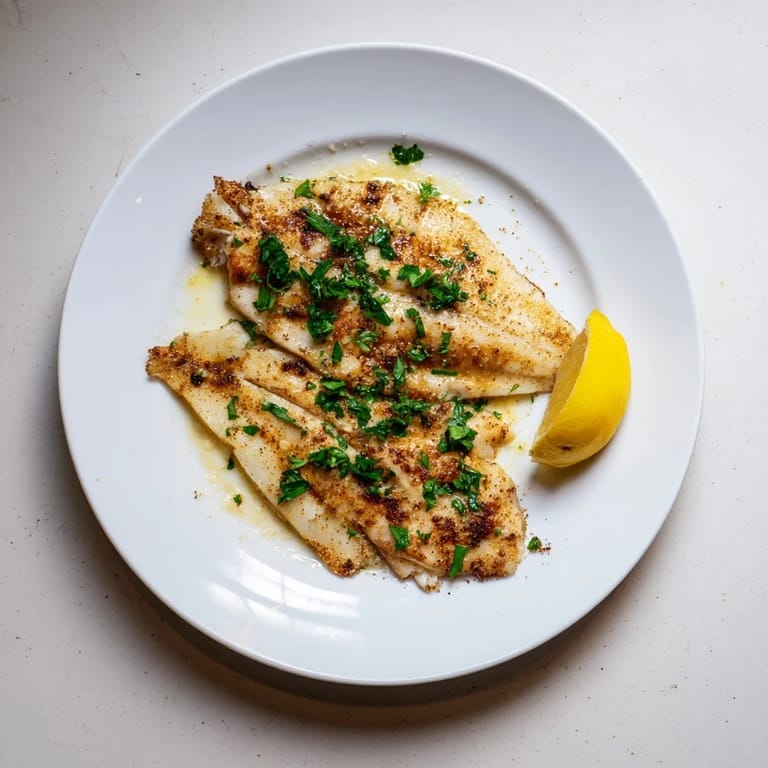
- Pull the pan from heat and immediately stir in lemon juice and parsley. Spoon that sizzling sauce over the fish and serve right away with extra lemon wedges.
 Pin
Pin  Pin
Pin 
My mom always said restaurant food was magic until she watched me make this and realized the secret was just paying attention. Now she makes it for dinner parties and pretends she slaved all day.
Choosing Your Fish
Flounder's delicate texture works beautifully here, but I've used Dover sole, tilapia, and even petrale sole with great results. Avoid thick, meaty fish like halibut since they won't cook through before the butter burns. If your fillets have skin, remove it yourself by running a thin knife between skin and flesh while the fish is cold.
Getting That Golden Crust
The oil and butter mixture prevents the butter from burning while still giving you that rich flavor. Make sure your pan is properly hot before adding the fish, and resist the urge to move them around. That first 2 minutes of undisturbed contact is what creates the restaurant quality sear.
Making It Your Own
A splash of dry white wine in the browned butter adds depth, and some chopped capers mimic the classic piccata style. Serve over steamed green beans or alongside roasted potatoes that have caught some of that butter sauce.
- Rice flour makes this gluten free without losing the crunch
- Almond butter browns faster but adds a lovely nutty sweetness
- Keep extra lemon wedges handy because this dish loves acid
 Pin
Pin 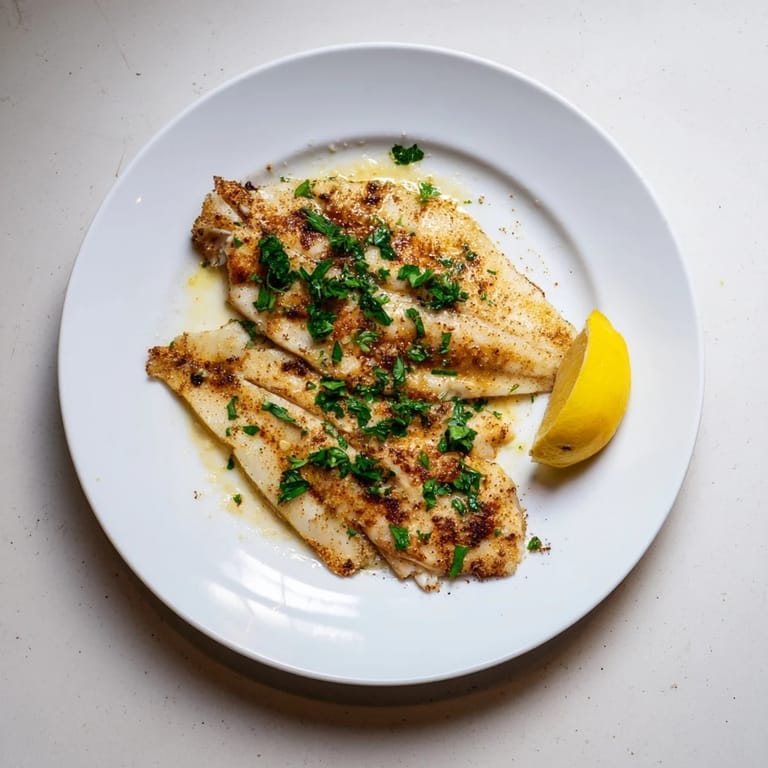 Pin
Pin Some nights call for elaborate projects, but this reminds me that the best cooking is often just good ingredients treated with respect and attention.
Recipe Questions & Answers
- → What does Meunière mean?
Meunière is French for "miller's wife," referring to the traditional dusting of fish in flour before pan-frying. This technique creates a light, crispy coating while keeping the fish delicate and moist inside.
- → Can I substitute other fish?
Absolutely. Dover sole, tilapia, or any mild white fish fillet works beautifully. Choose thin fillets that cook quickly and evenly for the best results.
- → How do I know when the butter is properly browned?
The butter will foam, then foam subsides as milk solids settle and turn golden brown. You'll smell a nutty aroma—this is your signal it's ready. Remove from heat immediately to prevent burning.
- → Can I make this gluten-free?
Yes, simply substitute rice flour or a gluten-free all-purpose blend for the wheat flour. The coating and sauce will still work perfectly.
- → What sides pair well?
Steamed green beans, roasted potatoes, or simple sautéed vegetables complement the rich flavors beautifully. A light arugula salad with vinaigrette also cuts through the buttery sauce.