
 Pin
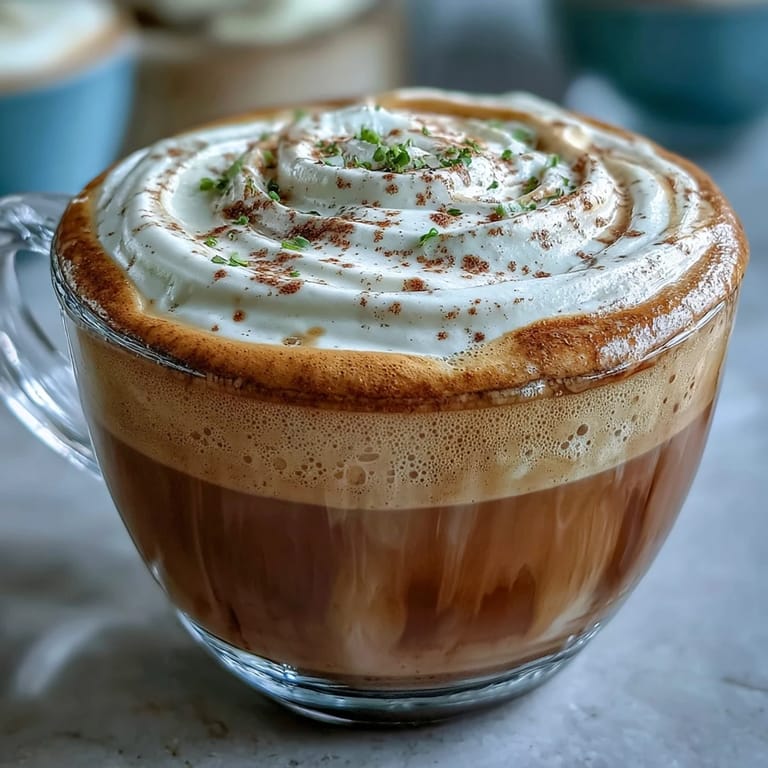
Pin Discover the soothing and earthy flavors of a Hojicha Macchiato, a Japanese-inspired twist on the classic espresso-based drink. This beverage replaces intense coffee with the distinct, toasted notes of hojicha, creating a calm yet creamy experience perfect for any time of day.
Pin What's for Dinner Tonight? 🤔
Stop stressing. Get 10 fast recipes that actually work on busy nights.
Free. No spam. Just easy meals.
By using a concentrated brew of roasted green tea as the base, you achieve a rich flavor that stands up beautifully to a cloud of frothy milk. This simple recipe brings the essence of a high-end tea house right into your kitchen with minimal equipment.
Ingredients
- Tea Base
- 1 1/2 teaspoons hojicha loose leaf tea (or 1 hojicha tea bag)
- 150 ml (2/3 cup) hot water (about 90°C / 195°F)
- Milk
- 40 ml (2–3 tablespoons) whole milk (or oat milk for dairy-free)
Instructions
- Step 1
- Heat water to about 90°C (195°F). Place hojicha tea leaves or tea bag in a teapot or mug.
- Step 2
- Pour hot water over the tea and steep for 2–3 minutes. Remove the leaves or tea bag.
- Step 3
- Meanwhile, steam the milk using a milk frother, steam wand, or by heating and whisking until frothy.
- Step 4
- Pour the brewed hojicha into a small cup (such as an espresso cup or demitasse).
- Step 5
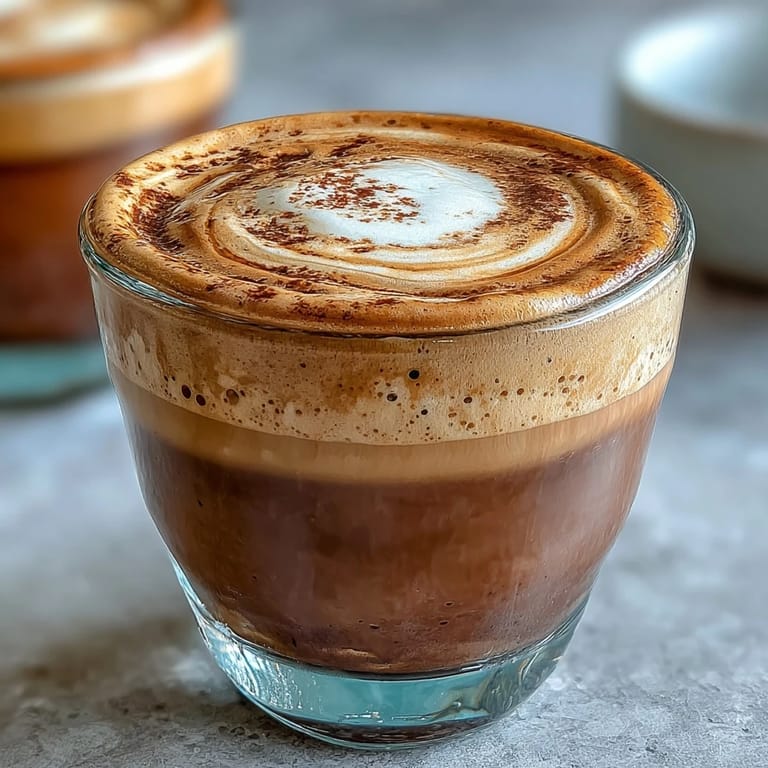
- Spoon a small amount of steamed milk foam directly onto the center of the tea, creating a macchiato dot.
- Step 6
- Serve immediately.
Zusatztipps für die Zubereitung

For the best results, ensure your water temperature is around 90°C (195°F) to avoid scorching the tea leaves. Steeping for exactly 2–3 minutes ensures a concentrated base without unwanted bitterness.
Varianten und Anpassungen
For a vegan version, substitute whole milk with oat or soy milk. If you prefer a sweeter drink, stir in a touch of honey or brown sugar before adding the foam. You can also add a dusting of cinnamon or cocoa powder for extra warmth.
Serviervorschläge
Serve your Hojicha Macchiato in a small espresso cup or demitasse to showcase the beautiful contrast between the dark roasted tea and the white milk foam cloud.
 Pin
Pin Whether you're looking for a low-caffeine alternative to coffee or simply want to explore the diverse world of Japanese teas, this Hojicha Macchiato is a delight. Savor the warmth and the gentle, smoky aroma of this unique, cozy beverage.
Recipe Questions & Answers
- → What does hojicha taste like compared to other green teas?
Hojicha features distinct roasted, nutty notes with caramel undertones resulting from its high-temperature preparation. Unlike grassy sencha or vegetal gyokuro, the roasting process creates a warm, toasty flavor profile with lower astringency and reduced caffeine content, making it ideal for pairing with milk.
- → Can I use a tea bag instead of loose leaf hojicha?
Absolutely. One hojicha tea bag works as a perfect substitute for 1 1/2 teaspoons of loose leaf tea. Simply steep according to package instructions, typically 2-3 minutes in hot water around 90°C (195°F), before removing and proceeding with the milk foam topping.
- → What milk alternatives work best for this preparation?
Oat milk froths exceptionally well and creates a creamy, barista-style texture that closely mirrors whole milk. Soy milk also produces adequate foam with proper steaming. Almond and coconut milk tend to be thinner—consider adding a pinch of tapioca starch or using a specialized barista blend for better frothing results.
- → Do I need special equipment to make the milk foam?
While a milk frother or espresso steam wand produces ideal results, you can achieve frothy milk without specialized tools. Heat milk gently on the stovetop or microwave, then whisk vigorously by hand or use a French press by plunging repeatedly. The key is incorporating tiny air bubbles into warm milk for that cloud-like texture.
- → Is hojicha suitable for evening consumption?
Yes, hojicha contains significantly less caffeine than other green teas due to the roasting process which breaks down caffeine molecules. A typical cup contains approximately 20-30mg compared to 60-70mg in sencha, making it a gentle option for afternoon or evening enjoyment without disrupting sleep patterns.
- → How can I customize the sweetness level?
Natural sweeteners complement hojicha's roasted character beautifully. Honey adds floral notes, brown sugar enhances caramel undertones, and maple syrup contributes depth. Add sweeteners while the tea is hot so they dissolve completely, or drizzle over the milk foam as a finishing touch. Start with one teaspoon and adjust to your preference.